
Compare Halfway Houses versus Sober Homes at Top Sober House
January 8, 2026
Welcome to the Crossroads of Recovery
Why the right transitional residence accelerates early recovery
Finding a safe place free from alcohol abuse and drug triggers allows the brain to keep healing while new habits form. Halfway houses and sober homes both offer a substance-free setting, but each achieves that goal through slightly different structures and expectations. Early recovery is fragile; relapse rates spike when individuals return too soon to environments filled with old cues and friends who still use. A top sober house near you prevents isolation, encourages positive peer interactions, and reinforces the coping skills learned in treatment programs. Because these homes cultivate healthy routines, residents build confidence and momentum that carry forward into independent living.
Community accountability also speeds progress. In a well-run house, residents complete chores, attend mandatory or voluntary support groups, and follow curfew rules that keep everyone on track. The presence of a trained house manager provides real-time guidance and conflict resolution, ensuring disagreements never derail the group’s focus on sobriety. Regular meetings-whether Alcoholics Anonymous, Narcotics Anonymous, or other 12-step programs-give members clear milestones to celebrate, nurturing hope during inevitable emotional dips. Over time, these shared victories strengthen the connection, illustrating that long-term sobriety is achievable and sustainable.
How the top sober house guides individuals nationwide
People in rural areas, bustling cities, or coastal towns all need reliable information when searching for structured sober housing options after rehab. The Top Sober House national directory centralizes listings for halfway houses, sober living houses, and supportive group homes across all fifty states. Visitors can filter by cost, insurance acceptance, gender, and specific amenities, removing guesswork from a process that already feels emotionally charged. Our platform also offers educational resources that explain industry terminology-such as substance use disorder, inpatient treatment, and outpatient program-so families understand every stage of care. Because knowledge reduces fear, users approach conversations with facility staff feeling empowered rather than intimidated.
Beyond listings, our experts publish guides comparing halfway house rules versus sober homes, covering everything from relapse prevention strategies to daily routine expectations. We partner with reputable rehab centers and outpatient clinics to ensure each recommendation aligns with evidence-based treatment philosophies. Regular blog updates spotlight success stories, reminding prospective residents that recovery is possible regardless of age, background, or relapse history. This nationwide perspective helps readers recognize patterns, avoid common pitfalls, and select the supportive environment most compatible with their goals.
Seasonal motivation and renewed commitments to sobriety
Seasons often influence mood, social calendars, and relapse risk, making timing a crucial consideration when evaluating housing options. Many people recommit to wellness goals as the year turns, seeking fresh starts in environments designed to nurture discipline. Halfway houses, with set curfews and mandatory schedules, can provide extra structure when holiday pressures threaten sobriety. Conversely, sober living homes allow greater independence, letting residents practice newfound coping skills amid seasonal festivities while still enjoying peer support.
Fluctuating daylight, family gatherings, and changing work routines all impact mental health; choosing a residence that accounts for these shifts minimizes surprises. Supportive house rules around holiday events, visitor policies, and permissible time away help residents avoid high-risk scenarios. Peer feedback during seasonal check-ins reinforces accountability and reminds everyone that emotional highs and lows are temporary, not reasons to abandon progress. Ultimately, aligning housing choice with seasonal awareness equips individuals to navigate dynamic circumstances without jeopardizing their recovery momentum.
Halfway Houses Explained Time Tested Structure for Reentry
Historical roots in group homes for alcohol addiction
In the earliest decades of organized recovery, churches and civic clubs opened simple group homes for men battling alcohol addiction. These residences offered shelter, meals, and moral guidance when medical detox scarcely existed. Community matrons enforced abstinence through curfews and nightly prayers instead of clinical interventions. The model soon influenced municipal halfway houses that paired supervision with job referral programs. For many historians, this timeline clarifies the definition of halfway houses in rehabilitation and their enduring social purpose.
After federal recognition of addiction as a public health crisis, halfway houses adopted evidence-based practices quickly. Staff received training on the addiction disease theory background emphasizing chronic brain changes rather than moral failing. This shift legitimized halfway houses within broader treatment programs and attracted philanthropic funding streams. Alumni from early facilities later founded modern sober homes, blending traditional accountability with increased autonomy. Understanding these roots helps families appreciate why structured sober housing options after rehab remain so effective today.
Typical house rules curfews chores and compulsory meetings
Halfway houses run on predictable schedules that leave little room for idle time or impulsive decisions. Detailed house rules cover curfews, mandatory sign-in logs, chore rotations, and visitor restrictions that keep the sober environment stable. Residents know exactly when to wake, cook, attend support groups, and return each evening. Consequences for lateness or missed duties escalate from written warnings to possible dismissal, reinforcing accountability at every step. Parents often appreciate this structure because it mirrors residential treatment center discipline while introducing real-world responsibilities gradually.
Compulsory attendance at daily or nightly peer meetings remains a cornerstone of relapse prevention inside halfway houses. Most programs schedule transportation to local churches or community halls that host twelve step gatherings. Residents also complete written reflections summarizing insights they gained, turning abstract slogans into personal growth plans. House leaders share resources to help newcomers find Alcoholics Anonymous meetings that match work shifts or transportation limitations. Structured exposure cultivates fellowship, showing every member that genuine friendship exists outside drug abuse circles.
Regulatory oversight and insurance considerations
Unlike many sober living houses, halfway houses usually operate under state licenses or nonprofit charters that outline service standards. Government inspectors audit safety equipment, fire drills, medication logs, and resident files at scheduled and surprise intervals. This oversight reassures families that the facility meets baseline requirements for a safe place to recover. Some jurisdictions also mandate background checks for staff and annual training hours on trauma-informed care. These protections differentiate halfway houses from unregulated apartments that merely advertise sobriety without accountability.
Insurance coverage further distinguishes halfway houses because many qualify as step-down components of larger inpatient treatment continuums. Major carriers reimburse limited stays when clinical documentation supports ongoing stabilization needs. Residents may contribute a modest copay while insurance offsets room, board, and therapeutic programming. To understand policy nuances, prospective residents should review plan booklets or consult utilization managers. Top Sober House simplifies research by comparing halfway house rules versus sober homes, including sections on funding sources and eligibility.
The role of state contracts and low cost beds
Many halfway houses maintain affordability through state contracts that purchase predetermined bed days for citizens lacking private resources. Such agreements guarantee stable revenue, allowing operators to hire experienced house managers and maintain the sober living environment. Clients referred by probation officers or public hospital social workers often fill these subsidized spots. While budgets remain tight, facilities stretch dollars by collaborating with food banks, volunteer tutors, and local employers. This network transforms basic housing into a comprehensive sober housing program that supports long-term sobriety goals.
State partnerships also impose outcome tracking, requiring agencies to document bed occupancy, completion rates, and employment statistics. Facilities publish success stories and challenges, empowering lawmakers to allocate funds where recovery journey metrics demonstrate genuine value. Public transparency benefits families who cannot tour every building but still want evidence of quality care. When programs exceed benchmarks, they may qualify for additional grants or referrals from nationwide addiction treatment services. Ultimately, strategic collaboration keeps doors open for individuals seeking a safe environment to rebuild healthy, independent lives.
 Sober Living Homes Redefining Peer Supported Independence
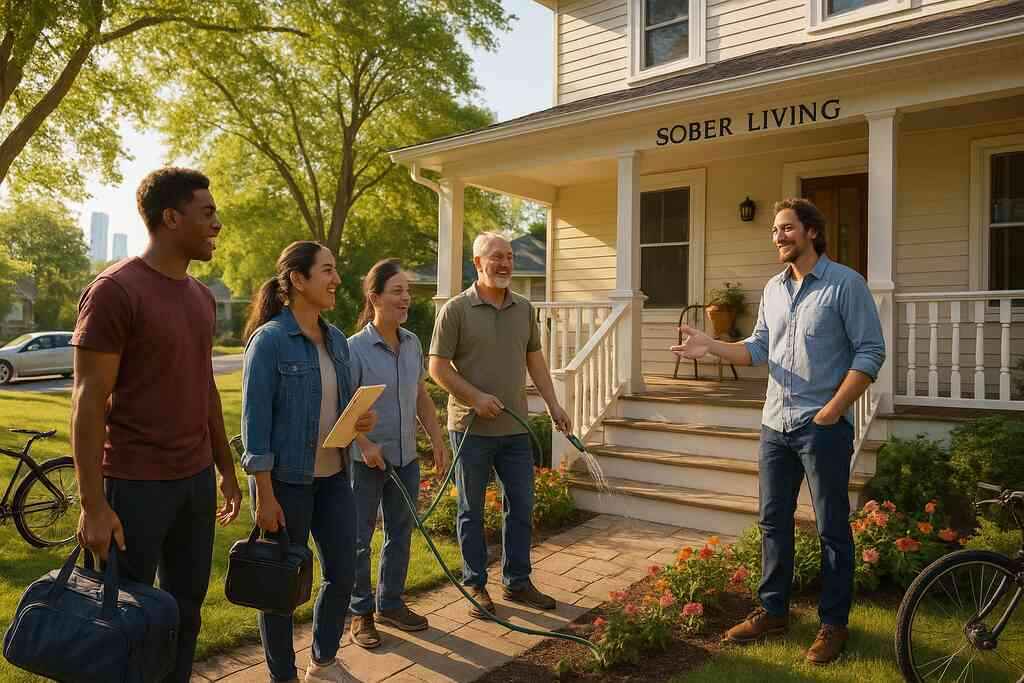 Sober Living Homes Redefining Peer Supported Independence
Core elements of a supportive sober living environment
Modern sober living houses redefine recovery by balancing independence with reliable safeguards. Residents enjoy a sober environment free from alcohol abuse, drug triggers, and negative influences. Every bedroom, kitchen, and common area reinforces the idea that healing thrives inside a safe place. Mandatory drug testing upholds community trust without resembling institutional surveillance. Together, these core elements protect early recovery while encouraging adult decision-making.
Finding the right address starts by comparing floor plans, house rules, and neighborhood culture. Our directory helps families effortlessly search sober living homes near me without overwhelming phone calls. Listings describe whether homes allow pets, reserve gender-specific rooms, or include onsite fitness areas. Clear details create informed expectations, minimizing anxiety before move-in day. Transparency empowers residents to commit wholeheartedly once they arrive.
House manager accountability and community leadership
The house manager functions as mentor, mediator, and compliance officer rolled into one dedicated role. Their consistent presence eliminates confusion about chores, curfews, and visitor boundaries. Residents respect rules more readily when a calm leader explains the rationale behind every guideline. Open dialogue prevents resentment from festering during tense early recovery periods. Accountability therefore feels supportive instead of punitive.
Managers also model healthy coping by attending support groups and demonstrating balanced social lives. They organize weekly meetings where peers discuss triggers, cravings, and wins. This leadership style nurtures mutual aid rather than top-down control. Many top sober homes invest in trauma-informed training so managers can address complex histories sensitively. The result is a supportive environment fostering transparency, trust, and genuine growth.
Daily routine integrating outpatient treatment and 12 step meetings
Successful sober housing keeps residents busy with purposeful, recovery-focused activities. Most homes encourage morning meditation, chores, and nutritious breakfasts before anyone leaves for therapy. Scheduled outpatient program sessions provide clinical insight into substance use disorder relapse patterns. Returning residents share insights during evening debriefs, reinforcing lessons across the household. Structured scheduling deters boredom, a common driver of relapse.
After dinner, carpools head to local 12-step meetings that further cement accountability. Whether Alcoholics Anonymous or Narcotics Anonymous, these gatherings normalize vulnerability through shared storytelling. Residents track attendance on weekly sheets signed by meeting secretaries. Consistent participation builds a local network to lean on after graduation. Over time, these rituals transform abstinence into a sustainable lifestyle.
Cost flexibility and private pay models
Sober living costs vary dramatically, giving families options regardless of their financial bracket. Some homes mirror halfway house rates, bundling rent, utilities, and basic food staples. Others operate on premium private pay models offering personal trainers, single rooms, and transportation passes. Top Sober House labels pricing tiers clearly, preventing sticker shock during the application stage. Honest budgeting conversations ensure commitments remain realistic and sustainable.
Many residents offset fees by working part-time jobs or applying for scholarships through charitable foundations. Flexible payment plans honor early recovery realities, where employment gaps often persist. Parents appreciate knowing financial stress will not eclipse sobriety progress. Transparent contracts outline refund policies and contingencies for unexpected medical readmission. Financial clarity, like emotional clarity, strengthens the overall sober living program.
Benefits for residents of sober living homes in sustaining long term sobriety
Data shows peer-supported transitional residences have significantly lower relapse rates compared to solitary apartments. Continuous feedback from roommates highlights blind spots before they escalate into cravings. Celebrating milestones together reinforces that long-term sobriety delivers tangible joy. Shared meals and weekend outings teach fun and can thrive without alcohol addiction or drug abuse. Residents leave knowing how to cultivate supportive circles wherever they relocate.
Graduates often return as volunteers, strengthening the community culture for future residents. This cycle enlarges alumni networks that extend across cities and digital platforms. Many describe the home as the turning point in their recovery journey. By modeling accountability and compassion, sober houses prepare individuals to navigate unpredictable life stressors. Ultimately, they equip people to protect sobriety long after formal programs conclude.
Head to Head Comparison: Finding Your Best Fit
Structured supervision versus progressive autonomy
Halfway houses rely on tight schedules, fixed curfews, and staff sign-offs to maintain structured supervision after rehab. Residents punch timecards when leaving, report medication usage, and attend compulsory house meetings. This high oversight comforts families who fear relapse during fragile early recovery. Yet some adults chafe under constant monitoring once detox ends and employment resumes. Understanding this distinction clarifies the halfway house versus sober home comparison.
Sober living houses champion progressive autonomy without abandoning accountability. Curfews extend when residents demonstrate reliability, and chore rotations feel collaborative rather than punitive. House rules in sober living explained by managers focus on personal responsibility, not institutional control. Residents learn to balance freedom with consequences, mirroring real-world expectations. Therefore, key differences between halfway houses and sober living boil down to how quickly individuals practice independent decision-making before full reintegration.
Relapse prevention strategies and sober environment safeguards
Both models insist on abstinence, yet their relapse prevention strategies diverge. Halfway houses schedule daily breathalyzer tests and random urine screens overseen by credentialed staff. These safeguards support court mandates and insurance coverage for sober living programs. Frequent monitoring can deter impulsive drinking when cravings spike unexpectedly. However, some residents view constant testing as distrustful.
Peer-supported transitional residences such as top sober homes blend periodic testing with community accountability. Roommates notice mood shifts, prompting timely conversations about stressors. Regular 12-step meetings within sober housing reinforce coping skills through shared storytelling. Many houses display emergency craving plans on the refrigerator, ensuring everyone knows available support. This layered defense system turns a safe environment into a proactive relapse barrier rather than a reactive checkpoint.
Community culture and peer support networks
Group homes promoting long-term sobriety flourish when community culture feels authentic. Halfway houses often mix court-ordered clients with voluntary residents, creating diverse perspectives on change. Daily group sessions highlight how substance use disorder hurts families, careers, and health. Structured feedback circles teach assertive communication, reducing conflicts that once fueled drug abuse.
Sober living homes cultivate intentional peer support networks centered on hope. House dinners, weekend hike clubs, and service projects replace isolation with connection. The role of the house manager in accountability includes modeling respectful dialogue and celebrating milestones loudly. Such rituals strengthen self-efficacy, proving benefits of sober homes for early recovery extend beyond mere abstinence. Graduates carry these friendships into alumni groups, expanding their sober network nationally.
Location amenities and access to work school and support groups
Geography shapes success. A halfway house inside public transit corridors simplifies commuting to outpatient therapy, school, and job interviews. Ready access supports community reintegration through top sober houses because residents can rebuild routines quickly. Conversely, rural properties deliver serenity yet may limit employment options, forcing longer carpool rides.
Modern sober living in walkable neighborhoods often ranks high among residents seeking balanced lifestyles. Nearby gyms, parks, and co-working spaces make daily routine in a sober living environment healthier and engaging. For detailed city comparisons, explore our urban sober living resources guide highlighting transportation scores, grocery access, and volunteer sites. These amenities transform housing from a mere safe place into a launchpad for purposeful living. Always weigh convenience against distractions when selecting the best sober house in your state.
Using the Top Sober House directory to locate a top sober house near you
Choosing a top sober house near you becomes simple with our national directory filters. Sort listings by supervision level, gender, insurance acceptance, and monthly cost. Profiles outline relapse prevention strategies in transitional housing, photos of common areas, and community event calendars. Transparent data supports informed questions to ask before entering a halfway house or sober home. Within minutes, families identify structured sober housing options after rehab that meet personal needs.
Accessing the Top Sober House directory also reveals region-specific reviews and success statistics. Readers compare the cost comparison of halfway houses and sober homes across counties, ensuring budgets remain realistic. Contact buttons connect directly to admissions teams, streamlining interviews. This user-friendly pathway empowers individuals to find a safe place for post-treatment recovery without navigating dozens of fragmented websites. Ultimately, the directory bridges residential treatment center discharge to supportive housing, guiding every recovery journey forward.
Stepping Into Your Future With Confidence
 Stepping Into Your Future With Confidence
Bridging residential treatment center discharge to stable housing
Early discharge can leave people vulnerable, especially when home environments still carry alcohol abuse reminders and stressed relationships. A stable sober living environment cushions that transition by offering structure without the hospital feel of inpatient treatment. Residents practice real-world routines while still enjoying daily accountability, drug testing, and peer feedback. This middle ground allows coping skills to move from theory into daily practice before full independence arrives. Because cravings often surge when schedules shift, having built-in support prevents impulsive decisions from undoing hard-won progress.
Top Sober House highlights the proven role of sober houses in maintaining sobriety. These peer-supported transitional residences give recovering adults time to rebuild trust with employers, families, and themselves. House managers monitor medication compliance, coordinate rides to therapy, and mediate conflicts early. Residents therefore advance from clinical stabilization to community integration through predictable steps rather than risky leaps. Consistency, more than intensity, becomes the secret weapon against relapse.
Creating a personalized continuum from inpatient to sober housing to independent living
No two recovery journeys look identical, so the continuum must flex with individual strengths and challenges. Some graduates exit rehab brimming with confidence yet still benefit from structured sober housing options after rehab to solidify new habits. Others need extended supervision, including curfews and weekly progress reviews, before easing toward looser house rules. By mapping personal goals alongside triggers, individuals select environments that stretch but never overwhelm. This thoughtful alignment transforms anxiety about the future into actionable milestones.
Successful continuous layer clinical care, peer support, and practical life planning. Morning outpatient program sessions deepen understanding of substance use disorder biology, while evening 12-step meetings build community. Chore rotations teach responsibility, and budgeting workshops prepare residents for rent security deposits once they graduate. Each element reinforces the next, creating an ecosystem where healthy choices feel automatic. Over time, the daily routine in a sober living environment mirrors the balanced life residents will maintain outside program walls.
Questions to ask before committing to any program
Choosing a top sober house near you deserves the same scrutiny as selecting a surgeon or school. Start by asking about house rules in sober living explained clearly during intake interviews. Inquire how often random drug tests occur, what substances they screen, and who reviews results. Clarify visitor policies, curfew flexibility, and consequences for infractions so expectations align from day one. Transparent answers indicate a culture of honesty vital for sustained recovery.
Financial transparency matters equally. Request a written cost comparison of halfway houses and sober homes, including deposits, meal plans, and transportation fees. Confirm whether insurance coverage for sober living programs offsets any portion of the bill. Ask to meet the house manager because their leadership style shapes daily morale. Finally, talk with current residents about relapse prevention strategies in transitional housing to verify marketing promises match lived reality. Thorough vetting now prevents costly surprises later.
Taking action today through Top Sober House listings
Action beats contemplation, and the Top Sober House directory streamlines every practical step. Filters let users explore gender-specific programs, pet-friendly properties, or even specialized Texas structured sober living options. Interactive maps display commute times to therapy clinics, workplaces, and grocery stores, reducing logistical stressors that can trigger cravings. Each listing also shows success rates, house photos, and verified reviews, turning vague hopes into concrete possibilities. With clear data in hand, families move from uncertainty to decisive next steps.
Momentum fuels motivation. Reach out to two promising homes today, schedule tours, and prepare your thoughtful questions. Visualizing yourself in a supportive environment for substance use disorder recovery can spark renewed commitment. Remember, every resident once stood where you stand now, weighing risks against rewards. By leveraging Top Sober House resources, you choose community over isolation and progress over paralysis. Your future, built on confident decisions, starts the moment you open that first door.
Frequently Asked Questions
Question: What are the key differences between halfway houses and sober living homes listed in the Top Sober House directory?
Answer: Halfway houses offer tightly structured schedules, fixed curfews, and state-regulated oversight, making them ideal for people who still need high levels of supervision after inpatient treatment. Sober living homes, by contrast, provide a supportive environment with progressive autonomy, allowing residents to practice real-world decision-making while still benefiting from house rules, random drug testing, and peer support. Both settings appear in the Top Sober House directory, but our filters let you compare supervision levels, relapse prevention strategies, costs, and amenities side by side so you can confidently choose the best safe place for post-treatment recovery.
Question: How do I decide whether a halfway house or a sober home is the best fit for my early recovery journey?
Answer: Start by assessing the amount of structure you currently need. If court mandates, recent detox, or lack of employment demand strict daily accountability, a halfway house may be the wiser option. If you already hold a job, attend outpatient program sessions, and want more freedom to rebuild routines, a peer-supported transitional residence such as a sober living home may suit you better. Use our cost comparison of halfway houses and sober homes, review house rules explained on each listing, and schedule tours through Top Sober House to see which community culture inspires confidence and long-term sobriety.
Question: Does insurance cover the costs of a sober living program, and how can Top Sober House help me understand my options?
Answer: Some halfway houses qualify for short-term insurance reimbursement because they are viewed as step-down components of a wider treatment continuum. Most sober living homes operate on private pay models but may accept partial insurance or offer scholarships. Each Top Sober House profile clearly states whether the property accepts insurance, provides sliding-scale fees, or partners with state contract funding. Our experts also supply guides on insurance coverage for sober living programs so you can verify benefits before committing.
Question: How does the house manager in a sober living environment support accountability and relapse prevention?
Answer: A trained house manager acts as mentor, mediator, and compliance officer. They coordinate random drug tests, oversee chore rotations, enforce curfews, and lead weekly meetings that integrate 12-step support with practical life skills. By modeling healthy coping strategies and providing immediate feedback, the manager turns your sober housing into a proactive defense against relapse rather than a reactive checkpoint. The role of the house manager in accountability is detailed in every Top Sober House listing, so you know exactly who will guide day-to-day progress.
Question: Where can I learn more about Compare Halfway Houses versus Sober Homes at Top Sober House and start searching for a top sober house near me?
Answer: Visit TopSoberHouse.com and read the full blog post titled Compare Halfway Houses versus Sober Homes at Top Sober House. The article breaks down key differences, outlines relapse prevention strategies in transitional housing, and links directly to our nationwide directory. From there, you can filter listings by state, cost, gender, and supervision level to locate a top sober house near you that matches your recovery goals.