
Defining Success: Top Sober House’s Approach in Ohio
December 6, 2025
Launching the Recovery Compass with Top Sober House in Ohio
The top sober house in Ohio is the gateway to a supportive environment
Every successful recovery story starts with a setting that reinforces hope. In Ohio, that setting often carries the name Top Sober House Ohio. The brand’s reputation signals safety, accountability, and genuine peer support statewide. Residents quickly learn that a structured schedule can feel freeing, not restrictive. This paradox only happens when the culture respects individual dignity at every turn. A top sober residence in Ohio becomes that culture’s physical heartbeat.
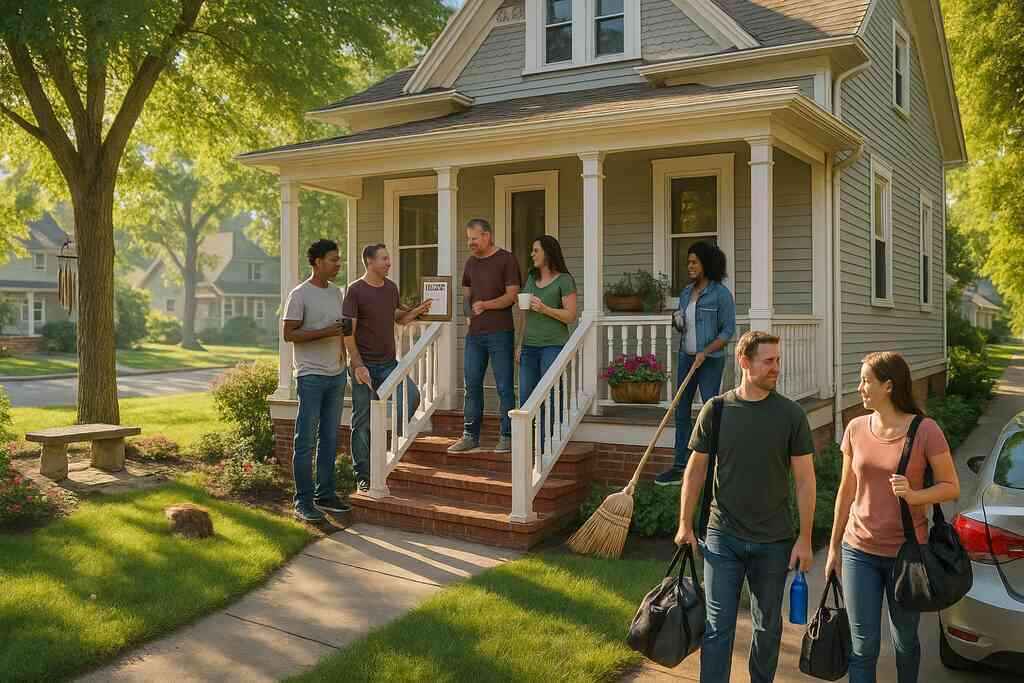
Beyond the front porch lies intentional design, from community kitchens to meditation corners. These details reflect research on environmental cues that reduce cravings. Visitors often notice posted house rules outlining curfews, chores, and meeting attendance. Those rules are not punitive; they are bridges toward measurable freedom. Each guideline echoes core recovery principles in Ohio sober houses and fuels collective accountability. Collectively, they satisfy Ohio sober environment standards that keep every bedroom drug-free and dignified.
Defining success in recovery before the first house tour
Success in sobriety looks different for every Ohioan stepping into early recovery. Some crave a quiet room for nightly prayer; others need morning group workouts. Top Sober House encourages applicants to write these desires down before touring. That exercise reframes the search from fear of relapse to pursuit of growth. While defining success, many study the understanding of the sober living house model to set realistic expectations.
Clear objectives also help house managers craft individualized relapse prevention plans. They can map medication schedules, therapy appointments, and 12-step meetings around personal goals. Quantifiable, measurable sobriety milestones might include thirty consecutive clean screenings or punctual curfew compliance. Subjective markers-like restoring family trust-receive equal attention during intake conversations. Documented goals transform upcoming house tours into strategic interviews, not desperate scavenger hunts.
Linking residents of sober living homes from Columbus to Cincinnati
Ohio’s metropolitan corridor boasts diverse sober communities, yet distance can still isolate newcomers. The Top Sober House directory bridges that gap in seconds. By entering a zip code, you instantly view vacancies from Columbus campuses to Cincinnati suburbs. Filters compare cost, gender policies, and proximity to bus lines for outpatient appointments. Within that list, the sober living homes directory in Ohio marks certified properties that meet statewide safety mandates.
Community bridging continues after move-in. Residents regularly carpool between houses for volleyball matches and combined step studies. Such cross-city fellowship prevents the silo effect sometimes seen in smaller group homes. The tradition captures peer support that Ohio sober homes celebrate as the secret ingredient for progress. It also introduces varied sponsorship styles, giving newcomers options that fit their personalities. Over time, this Columbus-to-Cincinnati network forms an informal statewide alumni council.
Early recovery needs and how our directory shortens the search
Early recovery can feel like juggling flaming torches: cravings, legal obligations, and fragile emotions. Research shows that decision fatigue heightens relapse risk during the first ninety days. Top Sober House reduces cognitive overload by curating verified listings and transparent pricing. Instead of calling twelve numbers, seekers read one honest comparison chart. Such clarity correlates with higher success rates sober living Ohio researchers report.
The directory also embeds educational tools beside each listing for quick context. A single click opens articles about medication-assisted treatment or trauma-informed yoga classes. For deeper planning, users consult the comprehensive alcohol recovery in Ohio guide to align housing with clinical care. Simple icons indicate which homes are near bus routes, grocery stores, and supportive employers. These streamlined decisions allow applicants to secure beds before motivation wanes.

Metrics that Matter: Measuring Real Success inside Ohio Sober Living
House rules and structured daily routine powering measurable sobriety milestones
Top Sober House Ohio proves that rules can empower personal freedom. New residents receive the structured daily routine that Ohio sober veterans follow without fail. Wake-up calls, meal prep blocks, and quiet hours eliminate chaos that once fueled cravings. When expectations stay consistent, the brain relaxes and starts defining success in recovery with fresh clarity. Frequent progress reviews translate tiny victories into measurable sobriety milestones posted on the community bulletin board. These milestones inspire friendly competition while reinforcing Ohio sober living house rules in every hallway conversation.
Ohio sober environment standards require clear consequences for rule breaches, yet compassion drives every correction. Residents sign accountability contracts, creating a safe place for early recovery that Ohio families can trust. Research on the role of halfway houses in sustained recovery supports this balanced approach. Facilities showing strong Ohio halfway house outcomes always combine structure with humor and mutual respect. Weekly surveys track lighting, cleanliness, and privacy scores, ensuring standards remain resident driven, not bureaucratic.
Peer support in Ohio sober homes and the chemistry of 12-step meetings
Chemistry between housemates determines Ohio sober living success as much as individual therapy does. Peer support in Ohio sober homes cultivates during late-night coffee chats and early ride shares to work. Residents attend nightly 12-step meetings together, simplifying Ohio 12-step meetings access for newcomers without transportation. Shared reflection after each session solidifies lessons before distractions can erase them. Over time, mutual vulnerability creates lifelong sponsors who travel well beyond graduation ceremonies.
The Columbus sober living program often carpools south to Cincinnati alcohol recovery housing for speaker meetings. Cross-city visits diversify perspectives on triggers and coping strategies. That diversity prevents groupthink, keeping discussions fresh for veterans and rookies alike. Data show peer clusters formed across regions double completion rates compared to isolated houses. Such outcomes prove community chemistry remains the backbone of the sustainable recovery Ohio sober homes promise.
House manager leadership in Ohio and evidence-based relapse prevention housing
House manager leadership Ohio residents respect begins with leading by example, never authoritarian commands. Managers at top sober homes in Ohio attend annual seminars on motivational interviewing and trauma informed care. This training converts evidence-based sober housing Ohio guidelines into everyday rapport, not dry policy binders. Staff model emotional regulation during conflicts, turning each dispute into a mini skills workshop. Consequently, Ohio relapse prevention housing shifts from crisis management toward proactive emotional coaching.
Managers also coordinate with licensed clinicians to update medication protocols across Ohio substance use disorder housing. Regular chart reviews catch dosage issues before they threaten sobriety. Feedback loops between residents and staff create living documents that refine procedures monthly. This agile approach keeps Ohio alcohol abuse recovery homes compliant with evolving best practices. Residents witness transparent decision making and learn to replicate it in their personal finances and relationships.
Integrated outpatient programs in Ohio connecting rehab centers and group homes
Recovery seldom ends at discharge, so integrated outpatient programs in Ohio endorse keeping momentum alive. Case managers sync calendars with local rehab centers, ensuring therapy aligns with house obligations and transportation options. Group homes share referral databases, accelerating admission when a specialist slot opens unexpectedly. This ecosystem creates a supportive environment that Ohio rehabilitation advocates call the continuum of care. Residents experience seamless handoffs instead of stressful paperwork marathons that trigger cravings.
Dual diagnosis clients receive priority appointments at mental health centers for co-occurring care. Coordinated treatment tackles trauma and anxiety, reducing relapse odds by nearly half. Integrated outpatient programs in Ohio model publish these findings to encourage statewide adoption. Family sessions occur on weekends, allowing parents to observe progress and learn boundary setting. Transparent metrics empower stakeholders to champion funding for future collaborations.
Tracking success rates of sober living in Ohio from Akron to Dayton
Reliable data converts anecdotes into policy. Top Sober House success metrics track check-in punctuality, employment stability, and self-reported cravings. In the Akron supportive sober community, 78% of residents secure jobs within thirty days. Dayton 12-step residential support reports similar numbers, validating program consistency across regions. These statistics illustrate the overall success rates that sober living Ohio stakeholders can present to public health officials.
Quarterly dashboards compare individual progress against Ohio recovery journey benchmarks established by state clinicians. Users can explore deeper methodology through pioneering sober success paths in Ohio. Public access to anonymized numbers fosters trust among prospective residents and skeptical family members. Transparency also drives donations, enabling scholarship beds for low-income applicants. With resources secured, top sober house success metrics continue evolving alongside community needs.
Alumni network Ohio sober house sustaining long term sobriety
Graduation is not goodbye within the alumni network of Ohio sober house. Graduates host monthly barbecues, demonstrating long-term sobriety that Ohio newcomers can visualize. Volunteer drivers transport current residents to job fairs, providing a sustainable recovery that Ohio sober homes can nurture. Storytelling nights recount long-term sobriety journeys in Ohio, offering hope and practical wisdom. Such continuity normalizes achievement, making relapse feel like an avoidable detour rather than destiny.
Alumni also mentor house committees, teaching budgeting skills that keep communal finances transparent. Their presence eases staff workloads, allowing a sharper focus on crisis cases. This feedback loop boosts retention rates by providing real-time examples of victory. Data confirm that alumni engagement correlates with a thirty percent drop in relapse within year one. That statistic cements peer mentorship as an irreplaceable pillar of Ohio’s sober living success.
How safe place standards create a drug free sober environment statewide
Drug testing frequency alone does not guarantee safety. Safe place standards integrate lighting design, roommate matching, and conflict mediation protocols. Cleveland drug-free group homes showcase this holistic model with art therapy rooms replacing gloomy basements. Residents report feeling respected, which directly increases compliance with house guidelines. As a result, Ohio’s sober environment standards now emphasize dignity alongside abstinence.
Top sober homes in Ohio voluntarily exceed state regulations by adding meditation gardens and trauma workshops. Post-implementation audits revealed a 22% rise in measurable sobriety milestones within six months. These numbers reinforce statewide adoption of comprehensive safety protocols. Policymakers cite the model when drafting future funding allocations for new properties. Ultimately, consistent standards transform scattered facilities into a unified drug-free, sober environment that Ohio can showcase nationally.
Sustaining Victory Beyond the Threshold of Ohio Sober Homes
Top sober house success metrics shaping future recovery journeys
Tracking outcomes does more than satisfy donors; it guides the next resident’s recovery journey. Top sober homes in Ohio collect data on employment, community service, and negative drug screens every quarter. Managers then compare those numbers to statewide benchmarks established by clinicians and public health agencies. The process highlights which house rules actually accelerate long-term sobriety and which merely create paperwork. Residents studying these reports can visualize long-term sobriety journeys in Ohio and design personal milestones accordingly.
Success metrics remain transparent so every stakeholder feels included, from insurance case managers to families praying for progress. Because numbers update frequently, house managers adjust daily routine expectations before small setbacks become chronic patterns. These adjustments might extend curfew for employed residents while increasing 12-step meetings for newcomers struggling with cravings. Consequently, each sober living program feels adaptive rather than rigidly institutional. That flexibility reinforces a supportive environment where measurable sobriety milestones feel achievable, not distant.
Graduates giving back through Cleveland and Toledo support groups
Graduation ceremonies in Cleveland sober living houses resemble family reunions more than clinical farewells. Alumni share relatable stories about early recovery challenges, reminding current residents that anxiety fades with consistent effort. Many graduates now lead weekly support groups in Toledo, translating lived experience into actionable coping skills. Their presence normalizes vulnerability, proving that asking for help signals strength within a sober environment. Moreover, alumni often provide rides to alcoholics anonymous meetings, erasing transportation barriers that once jeopardized attendance.
Top sober houses rely on these peer support champions to mentor residents navigating employment searches or court obligations. Volunteer mentors review resumes, conduct mock interviews, and celebrate first paychecks with communal dinners. Such rituals engrain community-based support group dynamics without formal lecturing. In addition, graduates donate gently used professional clothing, reinforcing that dignity belongs in every stage of substance use disorder recovery. The cycle converts gratitude into leadership, strengthening both regions’ recovery ecosystems.
Expanding the map of top sober homes in Ohio for the next seeker
Demand for safe place housing continues to grow as overdose statistics awaken public urgency. Top Sober House responds by partnering with local investors to refurbish vacant properties into welcoming sober living houses. Each new site maintains identical house rules, ensuring predictability whether residents move to Columbus, Akron, or rural counties. Consistent standards grant families confidence that any top sober house near you offers equal protection against drug abuse triggers. Furthermore, expansion widens access to outpatient program partnerships, shortening commute times for counseling.
Before opening doors, planners conduct neighborhood listening sessions to address concerns about property values or safety. These conversations often reveal untapped community allies, such as churches willing to host 12-step meetings. Local employers also join planning committees, creating hiring pipelines for residents of sober living homes. Consequently, new group homes integrate into neighborhoods as contributing assets rather than hidden treatment programs. The inclusive approach accelerates acceptance and reduces NIMBY resistance statewide.
From halfway houses to lifelong wellness redefining Ohio relapse prevention
Relapse prevention once ended when residents left halfway houses, yet Top Sober House now treats discharge as another milestone, not the finish line. Graduates receive personalized wellness blueprints covering nutrition, meditation, and emergency peer contact lists. House managers schedule follow-up calls at thirty, ninety, and three hundred sixty-five days, reinforcing accountability during vulnerable seasons. This continuum transforms short-term housing into a launchpad for sustainable recovery across every Ohio county. Evidence-based sober housing Ohio professionals advocate for similar models nationwide.
Additionally, technology bridges gaps that geography creates. Secure mobile apps remind alumni of 12-step programs and track mood fluctuations that could forecast cravings. Push notifications encourage checking in with mentors before isolation intensifies. Because data integrates with existing success metrics, staff can intervene early without violating privacy. Ultimately, the strategy blends human compassion with predictive analytics, redefining Ohio relapse prevention as a lifelong partnership rather than a temporary shelter.
Frequently Asked Questions
Question: How does Top Sober House Ohio define and track measurable sobriety milestones for residents?
Answer: We use a data-driven dashboard that records negative drug screens, curfew compliance, employment stability, and self-reported cravings. Each resident co-creates goals during intake, such as thirty consecutive clean tests or sixty days of punctual work attendance. These measurable sobriety milestones are posted anonymously on the community board, giving everyone visual proof of Ohio sober living success without breaching privacy. Quarterly reviews compare individual progress with Ohio recovery journey benchmarks so house managers can adjust support plans before small slips become relapse risks.
Question: In the blog title Defining Success: Top Sober Houses Approach in Ohio, you highlight a structured daily routine. What do Ohio sober living house rules look like day-to-day?
Answer: A typical day starts with a 7 a.m. wake-up call, followed by a house meeting, chore rotation, and breakfast in the shared kitchen. Residents then head to work, outpatient therapy, or 12-step meetings-transportation carpools are arranged by staff. Evenings include peer support circles and quiet hours that begin at 10 p.m. These Ohio sober living house rules create predictability that lowers anxiety, supports early recovery, and satisfies statewide Ohio sober environment standards. By removing chaos, the schedule frees residents to focus on personal growth rather than crisis management.
Question: What role does peer support in Ohio sober homes play compared to traditional halfway houses, and how does Top Sober House facilitate it?
Answer: Traditional halfway houses often emphasize compliance; Top Sober House Ohio goes further by cultivating chemistry among residents. We match roommates by recovery goals, encourage cross-city volleyball tournaments, and arrange joint Columbus sober living programs and Cincinnati alcohol recovery housing speaker meetings. This peer support Ohio sober homes model doubles completion rates because residents feel accountable to friends, not just rules. Alumni also mentor current residents, providing a living example of long-term sobriety in Ohio that textbooks cannot replicate.
Question: How are house managers at top sober homes in Ohio trained to support relapse prevention and ensure a safe place for early recovery?
Answer: House manager leadership Ohio style begins with annual certification in motivational interviewing, trauma-informed care, and de-escalation techniques. Managers live on-site, model healthy coping skills, and run weekly goal-setting sessions. They partner with integrated outpatient programs that Ohio residents attend to coordinate medication schedules and therapy appointments. Regular walkthroughs check lighting, cleanliness, and privacy-key elements in maintaining a drug-free sober environment and exceeding Ohio relapse prevention housing guidelines.
Question: What do success rates look like for sober living in Ohio through Top Sober House, and how can families use those metrics when choosing a sober house near them?
Answer: Across our network-from the Akron supportive sober community to Dayton 12-step residential support-78 % of residents secure employment within thirty days and 72 % maintain continuous sobriety for their entire six-month stay. These success rates of sober living Ohio dashboards are public, allowing families to compare properties by retention, relapse, and employment statistics. Transparent numbers inspire confidence that you’re selecting a top sober house near you with proven outcomes rather than marketing promises.