
Explore Rural vs Urban Top Sober House Differences Today
January 16, 2026
Opening the Door to Divergent Paths of Sobriety
From skyscrapers to silos: How the environment reframes early recovery
City skylines promise convenience, yet constant noise can cloud clarity during early recovery. The rural horizon, meanwhile, replaces traffic horns with rustling leaves, encouraging slower, intentional breaths. Both settings shape brain chemistry differently; adrenaline spikes rise amid urban bustle, while cortisol typically falls in quiet countryside lanes. Residents of sober living homes therefore absorb environmental cues that either soothe or stimulate the nervous system. Understanding these signals helps you recognize relapse triggers hiding in plain sight.
In countryside sober homes, sunrise yoga may happen on dew-covered grass, strengthening mind-body alignment. Conversely, city-centered sober homes often hold meditation sessions atop rooftop gardens overlooking neon lights. Neither practice is superior; each simply reflects its environment’s sensory palette. Outdoor therapy feels organic on farmland, while structured art therapy may suit a downtown loft. Your senses will ultimately decide which setting nurtures a supportive environment for your recovery journey.
Why choosing the right top sober house near you matters more than ever
A top sober house is more than a bed; it is a curated ecosystem designed to reinforce sober living ideals. House rules, peer support, and staff oversight converge to create safety nets during vulnerable transitions from inpatient treatment. Picking the right sober house near you therefore aligns external structure with internal motivation, greatly boosting long-term sobriety odds. The wrong fit, however, can magnify stressors and erode confidence, leaving early recovery exposed.
Today’s landscape offers thousands of listings, yet choice fatigue can paralyze families. The nationwide top sober house directory simplifies this maze by filtering options through transparent pricing, accreditation, and resident reviews. Locating a match close to existing support groups reduces travel hurdles and sustains positive routines. Meanwhile, virtual tours allow you to inspect room layouts and communal areas before packing a single suitcase. Empowered decisions start with reliable, centralized data.
Mapping the rural sober living experience versus urban sober living challenges
Rural halfway houses often sit miles from nightlife, lessening impulsive access to alcohol or illicit drugs. Yet transportation scarcity may limit outpatient program attendance, forcing creative carpool solutions among residents. Employment options can center on agriculture, hospitality, or remote work, requiring flexible schedules. Social isolation lurks, but community integration events-like farmers’ market volunteering-counter loneliness by forging purposeful connections. Every strength carries a matching vulnerability that residents must navigate.
Urban sober living resources include plentiful 12-step meetings, diverse job markets, and rapid public transit. Crowded streets, however, expose residents to frequent advertising for bars and clubs, intensifying temptation frequencies. Zoning restrictions can also cram multiple group homes into one block, causing friction with neighbors and municipal boards. Residents must learn assertive refusal skills when nightlife invitations flood their phones. Successfully balancing these dynamics develops resilience that supports lifelong recovery.
Serenity Fields Rural Sober Living Unplugged
Quiet environment for recovery and the power of outdoor therapy
Early recovery thrives when sensory overload subsides, and rural sober living experience settings silence the urban roar. Rolling meadows replace sirens, allowing residents of sober living homes to hear their own breathing without distraction. This quiet environment for recovery calms the nervous system, lowering adrenaline spikes that often fuel cravings. As stillness settles, mindfulness exercises feel authentic rather than forced, supporting sustainable sober living ideals. Nature therefore becomes an active partner, reinforcing each resident’s commitment to a safe environment free from alcohol abuse.
Outdoor therapy amplifies that serenity, transforming pasture walks into low-pressure exposure therapy. Gardening sessions spark dopamine naturally, while equine-assisted activities promote responsibility without harsh judgment. Clients routinely report fewer relapse dreams after sunrise meditation beside winding creeks. Comparable benefits appear in countryside recovery houses in Montana where residents journal beneath big-sky vistas. By witnessing seasonal cycles, they internalize that growth requires patience yet delivers renewal.
Supportive farm-based recovery community and peer support dynamics
A farm operates on cooperation, and that rhythm infuses every rural halfway house supportive setting. Chores such as feeding livestock demand punctuality from each resident, preventing isolation by fostering shared responsibility. Peer support flourishes naturally when people collect eggs together at dawn or harvest vegetables before supper. Laughter during muddy tasks builds trust faster than any workshop could. In turn, accountability deepens, making relapse conversations honest rather than defensive.
House managers leverage this organic camaraderie to reinforce structured sober living program goals. Morning check-ins occur around picnic tables, not office desks, easing anxiety for newcomers. Senior residents mentor freshly admitted peers, modeling sober environment resilience in real time. The farm’s predictable cycle also teaches persistence, illustrating that substance use disorder recovery follows a similar gradual arc. Over months, those daily connections mature into lifelong recovery alliances that persist after graduation.
House rules privacy and structured daily routine in countryside sober homes
Top sober houses in rural regions maintain clear house rules to balance freedom with security. Curfews discourage late-night impulsivity, yet flexible quiet hours respect personal reflection needs. Bedrooms often face tree lines rather than busy streets, granting genuine privacy while still permitting swift staff oversight. Drug testing protocols remain rigorous, reinforcing an uncompromised sober living environment that feels firm but never punitive. Residents therefore perceive boundaries as caring guidance, not parental control.
A structured daily routine intertwines practical farm tasks, group therapy, and individual goal setting. Morning yoga precedes breakfast cooked with produce that residents helped grow, giving tangible evidence of contribution. Afternoons might feature skill-building workshops on remote work or agricultural entrepreneurship, aligning employment goals with sober housing realities. Evening reflection circles ensure emotions do not fester beneath the quiet surface. This rhythm secures long-term sobriety by turning repetitive chores into mindfulness portals.
Transportation access employment opportunities and volunteer work in small towns
Distance poses the most significant logistical hurdle for many countryside sober homes. Limited bus lines compel creative carpooling strategies among residents headed to outpatient program appointments. Some houses maintain shared vehicles, managed by a house manager who confirms license validity and sobriety checkpoints. These arrangements teach collaborative planning, mirroring workplace project coordination. Consequently, transportation scarcity transforms into another peer bonding opportunity rather than a recovery roadblock.
Employment options concentrate on agriculture, hospitality, and increasingly remote digital roles. Local farmers often hire residents seasonally, valuing reliability molded by house rules. Nearby cafés appreciate workers who support a sober environment during festival weekends. Volunteer work at animal shelters or food banks fills résumé gaps while strengthening community ties. Such activities reinforce self-worth, reducing relapse risk when cravings surface during off-hours.
Social isolation risks and creative community integration for residents of sober living homes
Isolation can creep into countryside recovery, especially for individuals accustomed to city-centered stimuli. Weekly town events therefore become important antidotes, offering structured exposure without overwhelming sensory input. Residents join quilting circles, church choirs, or hiking clubs to expand their sober peer support network beyond house walls. These gentle interactions build the confidence needed to navigate broader society post-graduation. Structured social rehearsal also refines refusal skills when alcohol surfaces at community picnics.
Counselors encourage residents to host open-farm days, inviting neighbors to learn about sober living houses and sustainable agriculture. These gatherings demystify recovery, replacing stigma with admiration for tangible contributions. The process generates local allies who later alert staff if relapse warning signs appear in public settings. Ultimately, creative community integration transforms potential isolation into a supportive village, illustrating that recovery is both personal and profoundly social.
 City Pulse Urban Sober Living Amplified
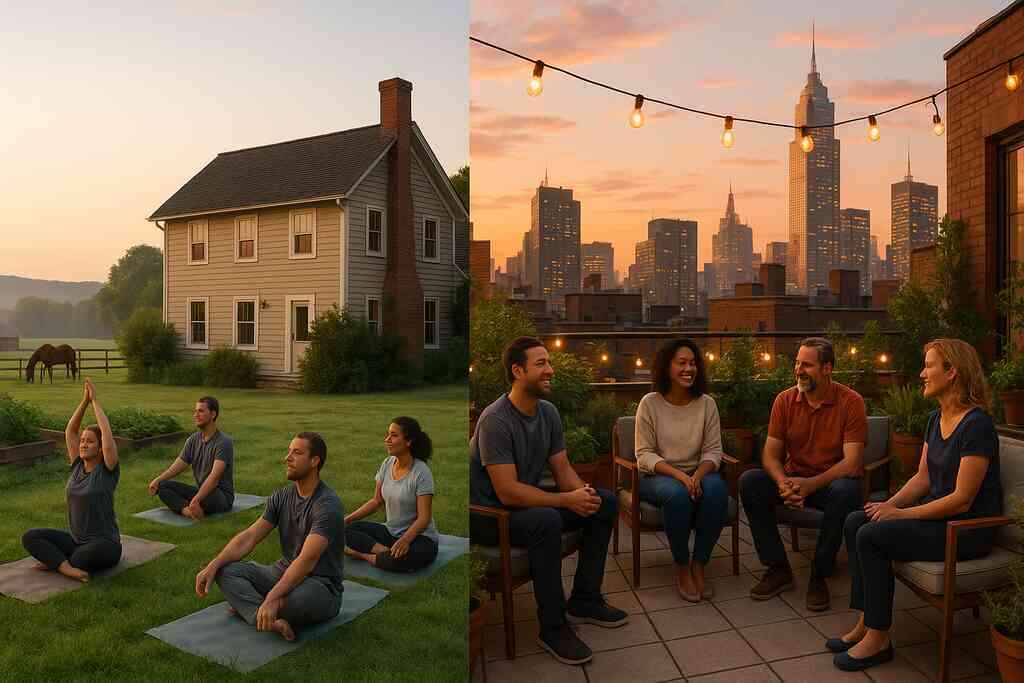 City Pulse Urban Sober Living Amplified
Bustling city sober community and 24-hour support networks
Urban recovery thrives on density; thousands share sobriety milestones in coffee shops, gyms, and late-night diners. City-centered sober homes plug directly into that heartbeat, offering immediate peer support whenever cravings whisper. Listings for metropolitan sober houses in New York showcase how professional staffing guarantees 24-hour accessibility in even the busiest boroughs. Social media groups for each neighborhood broadcast impromptu meditation walks, emergency check-ins, and job leads. Metropolitan halfway houses’ resources like helplines and ride-share vouchers extend this safety net beyond any single building.
While availability seems endless, new residents may feel lost amid so many voices. Orientation meetings break large groups into smaller accountability pods that meet daily for gratitude checks. This micro-community approach balances the city’s scale with intimate connection, reducing the anonymity that can fuel relapse. Members celebrate coin ceremonies together, reinforcing collective pride in everyday sobriety. Over time, these bonds outlast housing stays, evolving into lifelong emergency call lists spanning multiple states.
Access to rehab centers 12-step meetings and public transit lines
Urban geography places detox clinics, outpatient centers, and residential treatment facilities within a few subway stops. Immediate transfers between levels of care minimize gaps where relapse risk skyrockets. Residents can attend morning counseling before work, then return for evening cognitive behavioral groups without traffic headaches. Public transit passes are often subsidized by top sober houses to guarantee punctual arrival at therapy sessions. Schedules sync with the frequent local buses that encircle major medical corridors, saving both time and money.
The same transit web leads to dozens of daily 12-step gatherings. With an app, residents locate lunchtime Alcoholics Anonymous, evening SMART Recovery, or weekend faith-based meetings. Consistent attendance strengthens routine, a core pillar in any sober living program. Residents often bookmark a tool to find local alcoholics anonymous meetings ensuring they never miss vital fellowship. When storms delay trains, virtual options still exist, keeping continuity intact even during urban chaos.
Nightlife temptations relapse triggers and zoning regulations for sober homes
Neon signs advertising happy hours sit steps away from many sober living houses. This constant invitation requires advanced refusal skills taught through role-play workshops inside group homes. House rules often mandate travel buddies after dusk, preventing solitary wanderings near triggering districts. City licensing boards restrict how close liquor establishments can operate to certified sober environments, yet loopholes persist. Staff therefore maintain neighborhood watch relationships, reporting ordinance breaches that threaten resident safety.
Zoning regulations also dictate occupancy limits, which can influence privacy and emotional comfort. Oversight agencies inspect metropolitan properties regularly, verifying smoke alarms, egress lighting, and posted emergency numbers. Compliance fosters community trust, reducing opposition from neighbors concerned about group homes clustering nearby. Top sober homes host quarterly open houses, inviting local leaders to witness responsible property stewardship firsthand. Transparency weakens stigma, allowing recovery residences to coexist peacefully beside cafes, studios, and museums.
Sober housing affordability crowding and the metropolitan halfway houses resources
City rents soar, challenging budgets already stretched by treatment costs and part-time employment. Shared bedrooms and bunk layouts help top sober houses keep fees within reach of entry-level wages. Sliding-scale payment plans tied to weekly drug testing encourage accountability alongside affordability. A comparative spreadsheet lets applicants compare rural versus urban costs today exposing hidden expenses like subway passes and laundry tokens. Knowing total outlay upfront prevents later financial stress, a common relapse catalyst.
Crowding, however, can strain emotional resources when personal space becomes scarce. Effective house managers stagger chore schedules and meditation blocks to ease hallway bottlenecks. Community partnerships with nearby gyms or libraries provide quiet zones for reading, journaling, or virtual therapy. Metropolitan halfway houses’ resources extend to legal aid clinics that negotiate fines or reinstate licenses, reducing external pressures. By layering these supports, urban sober housing transforms compact square footage into an expansive opportunity.
Building an urban peer support network within group homes and outpatient programs
Sustained recovery flourishes when relationships stretch beyond a single address. Top sober house alumni networks host monthly potlucks, uniting current residents with graduates mentoring newcomers. Outpatient therapists coordinate with house managers, aligning individual goals with communal expectations to avoid mixed messages. Social media channels share job fairs, scholarship deadlines, and volunteer drives, tightening the web of mutual aid. This integrated approach turns the entire metropolis into a supportive environment instead of a minefield.
Group homes often partner with local universities, letting residents audit mindfulness or budgeting workshops for free. Evening basketball leagues or book clubs create sober alternatives to bar hopping, reinforcing newfound identities. Members celebrate milestones publicly, posting graduated chip photos that inspire those still fighting early recovery battles. Counselors remind everyone that understanding the top sober house role in recovery involves giving support as willingly as receiving it. When residents graduate, they remain within this orbit, now acting as sober escorts for new arrivals facing subway anxiety.
Crafting Your Recovery Landscape: Choosing Between Rural and Urban Top Sober Houses
Cost benefit matrix and employment outlook comparison
Sticker price often grabs attention first, yet raw rent rarely tells the full story. Rural top sober homes usually charge lower weekly fees, yet transportation, internet, and medical co-pays can rise because services sit farther away. Urban group homes may cost more upfront, but public transit eliminates car payments and flexible gig jobs offset higher rent. Housing scholars call this the “hidden cost” curve, where invisible line items sometimes equal or surpass rent itself. Creating a cost benefit matrix that lists both visible and invisible expenses clarifies which location actually stretches your recovery budget.
Employment outlook subdivides further into job availability and schedule stability. Countryside halfway houses often partner with ranches, vineyards, or remote customer-service firms that value consistent attendance shaped by strict house rules. City-centered sober homes place residents near hospitality, healthcare, and tech work that can expand quickly with promotion opportunities. Both paths teach responsibility, but urban placements expose residents to faster promotions and denser networking events. Aligning work style with personal tolerance for noise, commuting, and competition keeps financial stress from morphing into relapse pressure.
Community integration relapse data and long-term sobriety outcomes
Research shows that relapse rates drop when residents engage with local support groups within three weeks of arrival. Rural programs rely on farm co-ops, church potlucks, and volunteer fire departments to weave newcomers into community life. Connection feels intimate, and neighbors notice if someone misses daily routine chores, creating a natural safety net. Surveys reveal that such tight knit involvement lowers alcohol abuse recurrence, especially among people leaving inpatient treatment for the first time.
Urban communities leverage density to offer dozens of 12-step meetings, mental-health clinics, and cultural clubs within walking distance. Rapid access to rehab centers and outpatient program counselors supplies immediate intervention when cravings surface. Longitudinal studies suggest that high-frequency touchpoints offset the temptations of nightlife advertising. In both settings, relapse data underline one universal truth: deeper community roots equal stronger sobriety branches that withstand emotional storms.
Personal assessment checklist to match lifestyle with a sober environment
Before choosing a sober house near you, evaluate sensory preferences, employment goals, and social bandwidth. Does traffic noise rattle your nerves, or does countryside silence trigger loneliness? Write down how each setting might influence morning meditation and nightly reflections. Next, rate your willingness to share bedrooms versus craving absolute privacy, as crowding differs widely between rural and urban sober housing.
Add practical factors like proximity to family therapy, allergy considerations for farm animals, and stamina for public-transit staircases. Include long-term sobriety boosters such as access to Alcoholics Anonymous sponsors or alumni networks spanning multiple states. Finally, assess personal triggers: city billboards may spark alcohol addiction memories, while rural isolation might echo past drug abuse secrecy. Scoring these items paints an honest portrait that guides your sober living program choice without sentimentality.
Using the Top Sober House directory for a targeted top sober house near you search
Once your checklist feels complete, translate preferences into action by exploring the Top Sober House directory. The platform filters listings by cost, accreditation, and local employment statistics, allowing you to instantly find sober homes near your town that match individualized criteria. Interactive maps also mark bus lines, grocery stores, and meeting halls so transportation gaps become visible before move-in day.
Clicking on a specific listing reveals house manager bios, sample daily routine schedules, and peer support testimonials. Embedded video tours showcase privacy layouts and communal kitchens, preventing unpleasant surprises after arrival. A side-by-side halfway houses versus sober homes comparison chart further clarifies service differences and insurance options. By merging personal data with verified directory insights, you move beyond guesswork into evidence-based housing selection that propels your recovery journey.
Final thoughts on forging a safe environment for lifelong recovery
Whether your compass points toward rolling hills or subway tunnels, the ideal setting shares three pillars: a supportive environment, clear house rules, and abundant peer support. Rural landscapes reward patience and self-reflection; urban grids foster rapid connection and professional growth. Both can be safe places if you actively mold them into sober environments aligned with your evolving goals. Use the tools, data, and self-knowledge discussed here to claim a top sober house near you that feels less like a stopover and more like a launchpad for lifelong recovery.
Frequently Asked Questions
 Frequently Asked Questions
Question: How can Top Sober House help me compare a rural sober living experience with city-centered sober homes before I commit?
Answer: The Top Sober House directory lets you filter listings by location type, so you can view countryside sober homes and urban group homes side-by-side on one screen. Each profile shows rent, transportation access, employment opportunities, nearby 12-step meetings, and house rules differences between urban vs rural. Interactive maps display bus lines or highway distances, while virtual tours highlight privacy levels and outdoor therapy spaces. This transparent data eliminates guesswork and empowers you to choose the supportive environment that best protects your early recovery.
Question: What should I consider when deciding between countryside sober homes and metropolitan halfway houses resources for long-term sobriety?
Answer: Start with three pillars: cost, community integration, and relapse triggers. Rural sober living usually offers lower rent and a quiet environment for recovery, but you must plan around limited public transit and potential social isolation. Urban sober living houses give you 24-hour support, rapid access to rehab centers, and a bustling city sober community, yet nightlife temptations and higher fees can add stress. Use the Top Sober House cost-benefit matrix tool to list visible and hidden expenses, then review relapse data and peer support density for each option. Matching these factors to your personal triggers ensures your sober housing choice safeguards long-term sobriety.
Question: In the blog Explore Rural vs Urban Top Sober House Differences Today, you mention “hidden costs.” How does the directory reveal the true affordability of a top sober house near you?
Answer: Every listing on Top Sober House includes a breakdown of weekly rent, required deposits, drug-testing fees, transit passes, and optional amenities such as gym memberships or internet upgrades. A built-in calculator then adds estimated commuting costs, grocery prices, and insurance copays specific to that ZIP code. Whether you’re looking at remote farm-based recovery communities or sober living near subway lines, the tool shows a realistic monthly total so finances never blindside your recovery journey.
Question: Can Top Sober House connect me with peer support and 12-step meetings if I choose a rural halfway house supportive setting or an urban sober living house near public transit lines?
Answer: Yes. Each listing features a peer-support section that links to local Alcoholics Anonymous, SMART Recovery, and faith-based meetings, complete with schedules and directions. Rural properties highlight carpool options or virtual meeting links for nights when distance is a barrier. Urban group homes list subway routes and walking times so you can attend multiple meetings daily. House managers verified by Top Sober House also introduce new residents to alumni networks, ensuring you have a ready-made urban peer support network or a tight-knit farm community from day one.
Question: How do house rules and structured daily routines differ between rural sober living environments and urban group homes, and how can Top Sober House ensure the rules match my recovery style?
Answer: Countryside sober homes often integrate farm chores, outdoor therapy, and earlier curfews to capitalize on natural daylight and a quiet environment for recovery. Urban sober houses emphasize employment schedules, public-transit curfews, and crowd-management etiquette to navigate dense neighborhoods safely. Top Sober House lists sample daily routines, curfew times, privacy policies, and drug-testing frequency for each property. By comparing these details, you can select the sober living program whose structure-be it sunrise yoga in fields or rooftop meditation after work-aligns with your personal rhythm and maximizes long-term sobriety.