How Top Sober House Defines Safe Winter Living in Alaska
January 12, 2026
Northern Lights of New Beginnings: Embracing Safe Winter Sober Living in Alaska
Top Sober House Alaska shines a beacon for early recovery in frigid climates
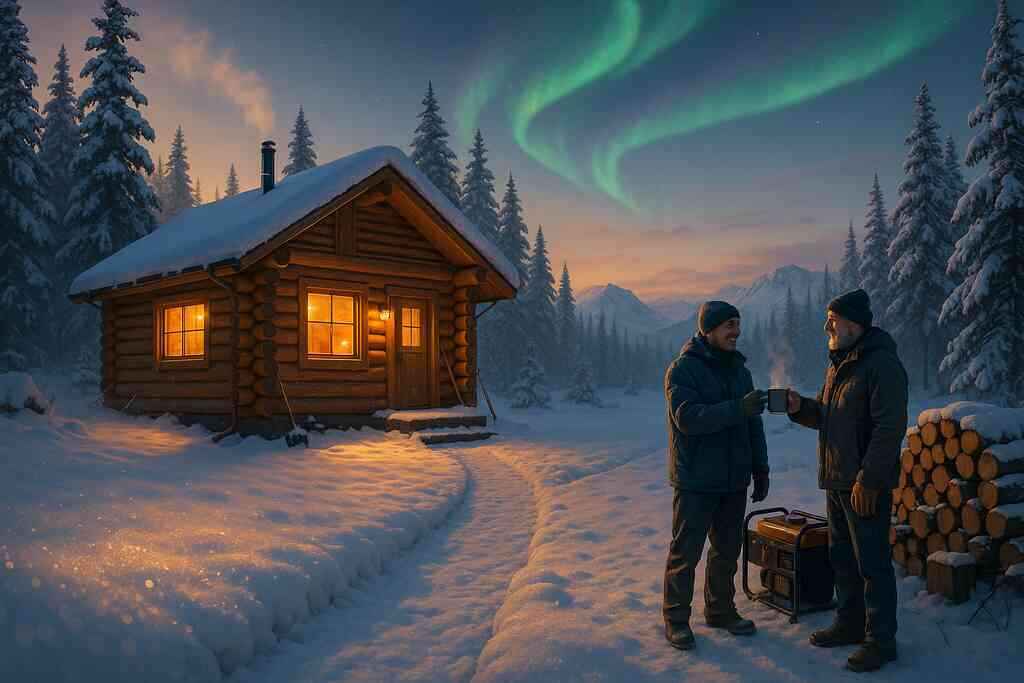
Glacial wind may rattle windows, yet hope stays steady inside Alaska’s top sober homes. Top Sober House connects newcomers with warm doorways where early recovery can ignite even in polar dark. By browsing safe sober living options in Alaska, individuals locate a safe place that balances comfort, structure, and accessibility. Each listing highlights insulated construction, robust heating, and a supportive environment that shields residents from relapse temptations blowing outside. The directory filters help you find a sober house near you that meets your budget, preference, and winter readiness.
Residents arrive carrying alcohol addiction fatigue, yet inside these group homes they exchange fear for frost-forged resilience. Certified house managers greet newcomers, explain house rules, and introduce them to daily routines built for subzero efficiency. Morning reflections beside crackling stoves replace bar chatter, while structured chores keep blood flowing and minds clear. Peer support blossoms because everyone understands both substance use disorder and the unique Arctic hurdles. Together they attend 12-step meetings, cook nutrient-dense stews, and celebrate each sunrise that peeks over ice-capped mountains.
Why safe winter sober living differs from lower-latitude sober housing
People new to recovery underestimate how geography shapes vulnerability, and nowhere is that clearer than in Alaska’s sober housing safety. Everything from transportation to outpatient program attendance can freeze when roads glaze with black ice. Therefore a safe winter sober living plan must integrate snow removal contracts, emergency power sources, and layered clothing education. Top Sober House lists facilities that exceed code, because a drafty window magnifies cravings like a forgotten coping skill. Exploring the Top Sober House Alaska winter recovery hub lets families confirm each location meets rigorous cold climate recovery support.
Thermostat readings also influence brain chemistry, impacting relapse probabilities during long darkness. Research shows serotonin dips coincide with chilling temperatures, stressing the importance of bright-light therapy corners inside sober living houses. Unlike lower-latitude counterparts, these homes incorporate dawn simulators that flicker gently before breakfast, nudging circadian rhythms back on track. House managers schedule brisk group walks at midday, seizing brief sunlight windows for vitamin D synthesis and fellowship. Such intentional design converts harsh weather from relapse triggers into resilience training.
House rules that kindle warmth and accountability inside insulated sober living homes
Clear house rules serve as the hearth around which residents of sober living homes gather, trading chaos for collective order. Curfews coincide with temperature drops, ensuring nobody faces frostbite during late-night vulnerabilities that once fueled alcohol abuse. Mandatory chore charts include furnace filter checks and walkway salting, weaving personal accountability with communal Alaska sober housing safety. A posted policy distinguishes sober living program expectations from halfway houses, reinforcing autonomy while safeguarding group cohesion. Readers can study our rules vs halfway houses comparison for icy regions for insight.
Inside insulated sober living homes, warmth extends beyond thermostats and into communication norms. Conflict resolution meetings occur around communal tables, allowing grievances to thaw before becoming emotional avalanches. Residents sign agreements to attend Alcoholics Anonymous support groups, whether in person or through digital platforms when blizzards loom. Random tests keep the sober environment honest, and transparency feels like shared survival rather than punishment. Consistent rule enforcement transforms short-term abstinence into long-term sobriety, showing that structure feels nurturing when snow blankets everything.
Fortifying the Igloo Structural and Environmental Safety for Alaska Sober Homes
Heating system maintenance tips and emergency power backup planning
Reliable heat turns an Alaska sober house from an icy shell into a welcoming safe place for recovery. House managers schedule monthly furnace inspections, replacing filters and checking vent stacks before soot blocks crucial airflow. They log boiler pressures, record thermostat accuracy, and audit insulation around pipes to prevent catastrophic freeze bursts. Residents learn these heating system maintenance tips because shared responsibility strengthens peer support during polar nights. Homeowners following this protocol often save fuel, improve air quality, and uphold Alaska sober housing safety standards. Top Sober House provides a find sober housing near me in cold climates tool listing homes that pass rigorous checklists. Residents feel empowered when they know exactly why the furnace hums instead of worrying about unknown mechanics.
Even the best heater fails when storms take down power lines across the remote tundra. A dedicated generator with an automatic transfer switch becomes the sober home’s second heartbeat during blackouts. Managers test generators weekly, logging oil levels, voltage output, and safe fuel storage distance from living quarters. Solar battery banks add silent redundancy, which reduces carbon monoxide risk compared with constant gasoline engines. Clear house rules dictate who starts equipment, monitors exhaust, and disconnects non-essential appliances to preserve wattage. This emergency power backup planning ensures medical devices, Wi-Fi therapy sessions, and refrigerator medications never lapse. Reliable electricity means the supportive environment withstands weather stress without triggering relapse anxiety.
Snowstorm emergency plans and safety drills for subzero temps
Whiteouts can descend suddenly, transforming familiar streets into disorienting sheets of swirling ice. Alaska halfway house preparedness requires a written snowstorm emergency plan posted beside each exit. The plan lists muster points, phone trees, and shovel assignments, making accountability immediate and clear. Residents practice evacuations wearing full gear, learning to follow reflective rope lines toward the detached garage shelter. Such drills normalize safety behavior and reinforce sober living program discipline, which parallels step-work consistency. When real sirens sound, muscle memory activates faster than panic, preserving both life and long-term sobriety goals.
Communication technology also anchors the plan. Backup radios with pre-set community channels remain charged, while mobile apps push location beacons to house managers. If cellular towers fail, residents switch to walkie talkies stored inside insulated lockers. Snowstorm emergency plans integrate local warming shelters, arranging transport for newcomers lacking heavy vehicles. By witnessing these layered defenses, residents internalize that a safe environment is never accidental. It grows from intentional practice, similar to daily meditation that guards against alcohol abuse.
Layered clothing guidance and winter transportation for residents
Proper clothing equals survival when windchills crash below negative values. Newcomers from warmer states often underestimate moisture management, risking hypothermia that can mask withdrawal signs. House managers host demonstrations on base layers, insulating loft, and shell fabrics that block spindrift. Residents practice assembling outfits the night before outings, mirroring relapse-prevention planning with physical preparedness. By treating clothing strategy as recovery homework, they embed discipline across body and mind. Layered clothing guidance therefore becomes another house rule, protecting both skin integrity and a sober mindset.
Reliable transportation ensures outpatient access in snow and timely attendance at 12-step meetings in blizzards. Many insulated sober living homes maintain four-wheel-drive vans equipped with studded tires and emergency blankets. Drivers receive defensive training, learning to brake on black ice and recognize drifting snow drifts. When conditions close highways, virtual therapy portals keep the sober environment connected to counselors. In every scenario, transportation protocols echo the broader principle: plan ahead, communicate clearly, and respect group safety. Such foresight turns treacherous roads from relapse triggers into practical lessons of resilience.
Stocking sober kitchens with nutrient-dense foods that combat the cold
Nutrition powers both immune function and emotional regulation during dark season recovery. Sober kitchens therefore stock whole grains, fatty fish, and dried berries rich in omega-3 and antioxidants. Vitamin D fortified milk substitutes limited sun exposure, reducing seasonal affective disorder sobriety challenges. Residents rotate grocery planning, applying treatment program budgeting skills to choose nutrient-dense foods over sugary empties. Cooking classes teach low-sodium stews that simmer all day, filling insulated halls with comforting aromas. These culinary routines anchor daily routine, replacing former bar rituals with mindful nourishment.
House rules require warming hydration stations that offer herbal teas, bone broth, and electrolyte packets. When blizzards isolate the home, larders hold seventy-two hours of shelf-stable proteins and complex carbohydrates. Emergency power keeps freezers cold, preventing loss of expensive salmon fillets harvested during community service trips. Residents document inventory on shared apps, blending accountability with modern convenience. Balanced meals stabilize blood sugar, which directly reduces cravings associated with alcohol addiction and opioid recovery. A well-provisioned kitchen thus fortifies both body heat and heart heat under the Arctic sky.
 Body Heat and Heart Heat: Daily Routines and Peer Support During Polar Nights
 Body Heat and Heart Heat: Daily Routines and Peer Support During Polar Nights
Building peer support during polar nights through group homes’ camaraderie
Blizzards may blanket Anchorage with silence, yet conversation thrives inside insulated group homes. Residents gather for evening check-ins around the woodstove glow. Each voice shares wins, worries, and next-day goals, building sturdy accountability. This ritual embodies the peer support essentials during polar nights post which recovery science praises. Collective encouragement offsets seasonal isolation and keeps alcohol cravings outside in the snow. House managers facilitate but never dominate, affirming resident autonomy. Respectful listening fosters emotional warmth that rivals any furnace. The result is a sober environment where loneliness melts and courage multiplies.
Morning routines carry the same momentum. Teams prepare breakfast, trade motivational quotes, and note personal triggers on a communal whiteboard. Such transparency converts private stress into shared problem-solving. Alaska sober housing safety improves because everyone watches for mood shifts or withdrawal signs. Eye contact and quick encouragement uphold long-term sobriety better than any locked cabinet.
Sober group winter activities and recovery-friendly hobbies that beat cabin fever
Snowshoe treks, ice-fishing circles, and aurora photography outings replace bar crawls, giving residents invigorating alternatives. Guides ensure every trail suits varied fitness levels, reinforcing safe winter sober living principles. Outdoor adventures follow safety protocols and the definition of a sober living house model that stresses balanced autonomy. Shared achievement on the trail fortifies peer bonds and amplifies dopamine through natural exertion. Cold climate recovery support feels exciting rather than restrictive when laughter echoes over frozen lakes.
Indoor creativity also thrives when temperatures plummet. Craft nights convert recycled wood into carvings that symbolize early recovery milestones. Music sessions let residents explore rhythm instead of rum, fostering healthy neural pathways. Weekly cooking competitions test nutrient-dense recipes that fuel both body heat and heart heat. These hobbies push cabin fever away and keep winter relapse prevention front of mind.
Outpatient access in snow and 12-step meetings in blizzards
Reliable transport stands beside personal commitment on every Alaska halfway house preparedness checklist. Four-wheel-drive vans with studded tires depart on strict schedules, ensuring therapy appointments never slip. When highways close, telehealth kiosks inside insulated sober living homes bridge the gap seamlessly. Residents locate in-person meetings using the local AA meeting locator during snowstorms before storms strike, then plan carpools accordingly. Advance mapping transforms unpredictable weather into a solvable logistics puzzle.
House rules require backup plans for every outpatient obligation. Virtual platforms host 12-step meetings that mirror in-person structure while respecting confidentiality. Supervising peers verify attendance logs, reinforcing responsibility without policing. This layered strategy protects treatment programs from disruption and maintains rhythm critical to long-term sobriety. Commitment stays stronger than the fiercest wind gusts.
Digital support groups when roads close ensuring no lapse in care
Subzero visibility often forces residents indoors for days, yet connectivity keeps recovery vibrant. House managers schedule rotating check-ins on encrypted video platforms, mirroring traditional share circles. Participants can also contact Top Sober House for snow-season support when technical issues arise or new resources surface. Rapid assistance lowers anxiety and preserves trust in the supportive environment. No one feels abandoned while glaciers groan outside.
Evenings feature moderated chat rooms that employ sober living program etiquette. Members post gratitude lists, mindfulness prompts, and coping tips for seasonal affective disorder sobriety challenges. Automated reminders cue hydration, stretching, and screen-time breaks, reinforcing holistic health. Digital badges celebrate milestones, giving early recovery immediate recognition despite physical separation. Through thoughtful tech, isolation transforms into interconnected resilience.
Navigating the Whiteout: Relapse Prevention and Mental Health in the Dark Season
Recognizing seasonal affective disorder sobriety challenges and coping tools
Seasonal affective disorder lurks when daylight fades, dimming serotonin and tempting people toward alcohol abuse for quick relief. House managers prioritize bright-light therapy corners, gratitude journals, and guided movement breaks to stabilize mood. Residents track emotions on communal charts, learning patterns as clearly as weather forecasts. When deeper support is needed, staff share referrals to mental health centers for dark-season depression that understand addiction’s icy complications. This proactive culture reframes treatment programs as living systems rather than emergency rooms.
Daily mindfulness routines further insulate emotional well-being. Five-minute breathing sessions occur before breakfast, anchoring thoughts away from rumination. Group discussions examine how cold climate recovery support can spark creativity instead of despair. Residents draft “sunrise goals” that identify one positive action to attempt before dusk. These small anchors keep long-term sobriety tethered, even when blizzards cancel afternoon plans.
Holiday trigger management inside halfway houses and sober living houses
Winter holidays arrive with memories of toasts, parties, and family conflict, creating potent relapse triggers. House rules for icy weather therefore include an advance calendar review where residents list risky dates and agree on backup activities. Decorating parties replace boozy gatherings, while gratitude circles spotlight progress, not presents. A printed copy of the holiday trigger planning guide for cold months offers quick reference when tension spikes. By rehearsing responses together, group homes transform nostalgia traps into opportunities for growth.
Supportive environment rituals continue on the actual holiday. Curfews remain firm, protecting newcomers from late-night temptations. Nutrient-dense feast menus reduce sugar crashes that mimic withdrawal anxiety. Peer support teams check in hourly, ensuring no resident faces grief alone under festive lights. Consistency proves that celebration and sobriety can share the same table.
Winter relapse prevention toolkits for substance use disorder and opioid recovery
Every resident receives a personalized toolkit containing hand warmers, emergency contacts, and laminated coping cards outlining relapse prevention steps. Safe place identification exercises teach them to spot welcoming cafés or community centers along bus routes. Digital components include meditation apps that function offline during power outages. For external reinforcement, directories like the NA meetings directory when roads are closed remain bookmarked on communal tablets. This multilayered approach ensures that even when snow walls form, the connection does not collapse.
Workshops explain how cold stress can resurface opioid cravings by heightening pain sensitivity. Residents practice progressive muscle relaxation to intercept tension before it spirals. Role-playing sessions simulate unexpected delays, teaching patience and cognitive reframing. By treating storms as rehearsal stages, winter relapse prevention becomes second nature rather than emergency improvisation.
House manager checklists that keep residents anchored to long-term sobriety goals
Effective leadership starts with clear checklists clipped beside radio chargers. Managers verify attendance at 12-step meetings, adherence to chore rotations, and completion of nightly emotional inventories. During room inspections, they also confirm stocked hand warmers and charged flashlights, reinforcing Alaska halfway house preparedness. Visual cues help them recognize withdrawal signs in subzero temperatures before crises escalate. Consistent monitoring communicates care, not surveillance.
Weekly one-on-one reviews keep recovery journey metrics transparent. Managers log mood fluctuations, celebrate milestones, and adjust outpatient program schedules when storms disrupt travel. Their accountability nurtures trust, making the sober environment feel reliably fair. Over time, residents internalize this structure, carrying disciplined habits beyond the Arctic winter and into lifelong resilience.
Aurora-End Resilience Charting Long-Term Sobriety Beyond the Frost
 Aurora-End Resilience Charting Long-Term Sobriety Beyond the Frost
Measuring progress toward sustained recovery under the Arctic sky
Daily reflection helps residents see how far their recovery journey has traveled since stepping into a sober living environment. A house manager reviews emotional checklists, chore completion, and 12-step attendance to create objective markers of stability. Residents also track sleep patterns, nutrition choices, and craving intensity, converting feelings into measurable data points. By combining hard numbers with personal narratives, they build a balanced portrait of growth that withstands even polar darkness. Progress feels tangible when it is graphed alongside breathtaking aurora photographs pinned on the communal wall.
Accountability strengthens when peers celebrate each milestone as loudly as they mourn any setback. Weekly circles invite everyone to share lessons learned, refining coping strategies for future storms. Digital dashboards color-code achievements, making long-term sobriety goals visually engaging and easily reviewed. Because every resident participates, the supportive environment reinforces collective ownership over individual change. Under shimmering skies, success becomes a shared constellation rather than an isolated star.
Partnering with warming shelters and community resources for continued support
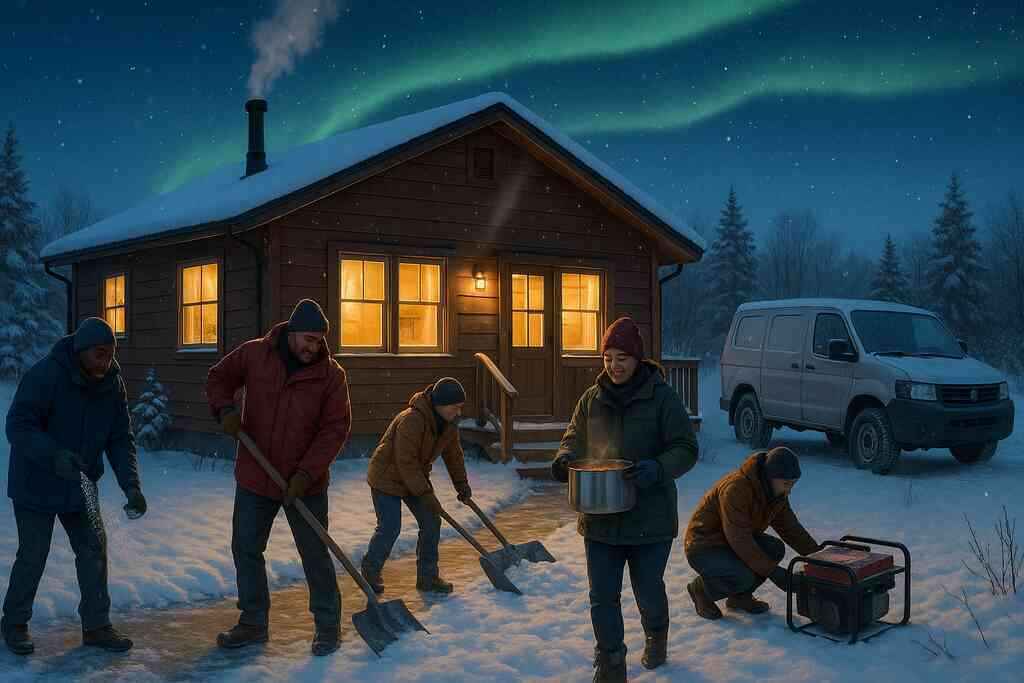
Top Sober House teaches collaboration, reminding residents that resilience grows stronger when community ties interlock like ice-safe chains. Local warming shelters offer volunteer opportunities where sober homes can serve coffee, fold blankets, and model recovery in action. Such outreach broadens networks, introduces residents to fresh mentors, and underscores service as a protective factor against relapse. Coordinated efforts also create emergency overflow options during severe blizzards, ensuring no one faces cold nights alone. Mutual aid transforms geographical isolation into a lattice of warmth and dependable care.
Partnerships expand further through library workshops, tribal health clinics, and faith groups that respect diverse spiritual practices. Readers can explore detailed examples in the Alaska winter recovery paths article that illustrates how coordinated services shorten the distance between crisis and comfort. By mapping these alliances early, sober living programs secure lifelines before temperatures plummet. Residents learn to request help confidently, knowing resources have already welcomed their participation. Community engagement therefore becomes both a safety net and an avenue for purposeful living.
Preparing for the spring thaw without losing momentum on the recovery journey
As daylight returns and snowbanks recede, triggers shift from cabin fever to social temptations associated with warmer weather. House managers guide residents through anticipatory planning, identifying events that could reintroduce alcohol abuse or drug use. Outdoor chores replace indoor workouts, maintaining structured daily routines that anchor emotional balance. Goal-setting sessions encourage residents to translate winter resilience into spring ambitions like vocational training or continued education. This forward momentum prevents complacency as environmental challenges change.
Residents also revisit house rules, adjusting curfews and community commitments to accommodate longer days while preserving accountability. Peer support circles discuss the symbolic meaning of melting ice, framing it as an opportunity to release past shame. Scheduled check-ins with outpatient counselors evaluate progress, refine coping tools, and celebrate newfound confidence. By treating seasonal change as another recovery chapter rather than an ending, the sober environment remains steadfast. Growth continues, regardless of weather conditions.
Finding a top sober house near you and extending the safe environment year-round
The Top Sober House directory empowers individuals to locate a safe place that matches personal goals, financial realities, and geographic needs. Search filters highlight insulated construction, strong house rules, and peer support frameworks proven effective in extreme climates. Interactive maps display travel distances to outpatient program providers, ensuring continuity of care. Testimonials from residents of sober living homes offer transparent insight into daily life, building trust before a single suitcase is packed. With a few guided clicks, future residents move from uncertainty toward informed commitment.
Travelers shifting routes after graduation can explore complementary regions that share similar standards, such as recovery residences in Idaho on winter routes that align with Arctic preparedness. This seamless hand-off keeps routines stable while introducing fresh opportunities for employment or education. Alumni forums connect graduates across states, allowing them to swap advice and maintain accountability. Wherever the compass points, Top Sober House extends its supportive environment through verified listings and knowledgeable resources. Long-term sobriety thus evolves from a seasonal achievement into a lifelong, borderless reality.
Frequently Asked Questions
Question: How does Top Sober House ensure Alaska sober housing safety during extreme winter conditions?
Answer: Every listing in the Top Sober House directory is vetted for cold-climate recovery support requirements that go well beyond standard building codes. Homes feature insulated construction, triple-pane windows, robust HVAC systems, and stocked safety supplies that transform a house into a truly safe winter sober living environment. Certified house managers follow an Alaska house manager checklist that covers snowstorm emergency plans, safety drills for subzero temps, and layered clothing guidance for all residents. By combining structural safeguards with clear house rules for icy weather, Top Sober House keeps relapse triggers and frostbite on the outside.
Question: What heating system maintenance tips and emergency power backup planning do your insulated sober living homes follow?
Answer: Top Sober House teaches house managers to schedule monthly furnace inspections, replace filters, and log boiler pressure so that heating never falters when temperatures plummet. Generators with automatic transfer switches stand by for blackouts, while solar battery banks add silent redundancy that keeps medical devices and Wi-Fi therapy sessions running. Fuel is stored safely away from living quarters, and residents learn to perform basic checks as part of their daily routine-building both accountability and practical skills that support long-term sobriety.
Question: In How Top Sober House Defines Safe Winter Living in Alaska, you mention peer support during polar nights. How is that integrated into daily routines?
Answer: Peer support during polar nights begins with evening check-ins around the woodstove, where every resident shares wins, worries, and next-day goals. Morning reflections, chore rotations, and sober group winter activities-like snowshoe treks or aurora photography-anchor connection all day long. Digital support groups Alaska residents can access fill any gap when storms shut down roads. This constant interaction transforms isolation into camaraderie and reinforces the sober living program’s core value: no one recovers alone, even in a blizzard.
Question: Can residents still access outpatient programs and 12-step meetings in blizzards, and what winter transportation for residents is provided?
Answer: Yes. Most Alaska sober homes in our network maintain four-wheel-drive vans with studded tires, emergency blankets, and first-aid kits to guarantee outpatient access in snow. Drivers receive defensive winter training, and carpools are scheduled before each storm hits. When highways close, telehealth kiosks and virtual 12-step meetings keep treatment programs on track. Attendance is logged so that commitment remains as solid as the ice outside.
Question: How does Top Sober House help newcomers manage seasonal affective disorder sobriety challenges and winter relapse prevention?
Answer: Homes include bright-light therapy corners, vitamin-D-rich meal plans from well-stocked sober kitchens, and mindfulness sessions that target dark-season depression. Each resident receives a winter relapse prevention toolkit with hand warmers, coping cards, and emergency contacts. Regular mood tracking, combined with quick referrals to mental health support in the dark season, ensures concerns are addressed long before cravings escalate. By treating emotional health and physical safety as one, Top Sober House turns Arctic darkness into a training ground for resilience.