
How Top Sober House Defines Sober Living in Indiana 2025
December 10, 2025
Awakening to Recovery Pathways in the Crossroads State
Indiana stands at a cultural and geographic junction, making sober living in Indiana uniquely dynamic. Families here balance Midwestern resilience with modern pressures, and substance use disorder often hides behind that stoic exterior. Early recovery therefore demands more than generic advice; it requires a supportive environment tailored to the Hoosier experience. Top Sober House recognizes this local texture and brings a refined framework for safe recovery residences. By blending peer support, structure, and Midwest pragmatism, we illuminate new directions for long-term sobriety.
Why Indiana demands a reimagined sober living model
Indiana’s mix of rural towns and growing cities creates uneven access to treatment programs. Residents leaving inpatient treatment in Indianapolis may find few group homes once they return to small counties. Traditional halfway houses often focus only on compliance, not personal growth. Substance use relapse rates show that people need a sober living environment where accountability, education, and hope merge. A reimagined model must therefore weave peer-supported structures with individualized coaching.
The opioid crisis added complexity to alcohol abuse patterns statewide. Younger adults face fentanyl risks while older residents confront prescription dependency and hidden drinking. Standard house rules must evolve, balancing strict sobriety standards with compassionate mental health resources. House managers require deeper training in trauma-informed care and cultural competence. This shift transforms simple supervision into mentorship, critical for sustained recovery journey progress.
The mission of Top Sober House near you
Top Sober House developed a directory that reaches every zip code, yet feels distinctly local. Our goal is to link Hoosiers with supportive recovery residences in Indiana that honor community roots. We vet properties for safety, affordability, and evidence-based programming, ensuring each location meets Indiana sober living house rules. This mission includes educating families on the difference between halfway houses and recovery homes. Clear guidance removes confusion during the stressful transition from rehab to a sober home.
We also champion equity. Affordable men’s and women’s sober living options in Indiana receive the same rigorous evaluation as upscale facilities. By showcasing top sober houses near Fort Wayne and modest group homes in rural counties, we close the access gap. Online assessments, virtual tours, and transparent cost breakdowns demystify the application process. People enter housing with confidence, not fear.
Setting the compass for long-term sobriety
Establishing direction matters as much as arriving. Each Top Sober House resident develops an individualized plan connecting outpatient programs, 12-step meetings, and life-skills training. Regular peer accountability sessions track progress while reinforcing personal agency. Alumni return for mentorship nights, demonstrating that long-term sobriety housing is a launchpad, not a destination. This cycle creates a living network that supports newcomers and energizes graduates.
Technology enhances our compass. Residents sync daily routine goals through secure mobile dashboards, receiving reminders for AA meetings, medication management, and mindfulness exercises. House managers analyze aggregated data to identify early relapse cues and intervene quickly. By combining digital insight with human connection, Top Sober House cultivates a forward-looking, resilient recovery community across Indiana.
Mapping the Indiana Sober Living Landscape
From inpatient treatment exits to supportive group homes
Leaving a residential treatment center can feel exhilarating yet daunting for Hoosiers in early recovery. Many residents worry about sliding back into old neighborhoods where alcohol addiction triggers remain. A structured bridge, such as supportive group homes, offers the sober environment needed for stability. Top Sober House highlights this pathway through its comprehensive Indiana sober housing overview 2025 resource, allowing families to explore options quickly. By matching personal needs with safe recovery residences, individuals safeguard their momentum toward long-term sobriety.
The jump from clinical detox to communal living gains power when choice replaces chaos. Our directory presents sober homes, halfway houses, and peer-supported recovery residences side by side, clarifying what each delivers. Using the intuitive directory for sober living homes near you streamlines applications, insurance questions, and move-in dates. This transparency eases anxiety for both urban professionals and rural laborers returning home. Ultimately, Top Sober House ensures no one leaves inpatient treatment without a realistic housing plan.
Differentiating halfway houses and peer-supported recovery residences
Halfway houses historically focused on legal compliance, offering minimal therapeutic oversight and mixed sobriety expectations. Recovery residences, by contrast, cultivate a drug-free group home culture where peer support guides daily routine. Understanding these differences helps residents choose programs that align with their recovery journey. The detailed difference between halfway houses and recovery homes explanation removes confusion for families comparing models. Knowledge empowers people to demand environments that nurture growth, not merely prevent relapse.
Peer accountability shapes behavior more effectively than strict surveillance alone. Residents attend house meetings, embrace twelve-step principles, and mentor newcomers, forming a community that endures. The Top Sober House article on the role of peer support in recovery housing underscores why shared lived experience accelerates healing. When setbacks occur, peers notice first, prompting early interventions and connection to outpatient programs. This cooperative culture distinguishes modern sober housing from punitive halfway facilities.
Regional nuances from Indianapolis to Fort Wayne
Indiana’s capital offers extensive outpatient program networks, yet affordable men’s and women’s sober living options fill quickly. Conversely, smaller cities such as Fort Wayne champion local pride but host fewer specialized homes. Top Sober House therefore curates listings that respect neighborhood culture, transportation routes, and employment hubs. We also highlight safe spaces for women in Indiana recovery so gender-specific needs never go overlooked. By honoring these regional nuances, residents find communities that feel authentic, not forced.
Accessibility includes more than geography; it involves communication and trust. Prospective residents often are unsure about house rules, medication policies, and curfews. Our advisors answer promptly, walking families through insurance verification and scholarship options. Those ready to act can contact the Top Sober House team in the Indiana region for personalized guidance. Quick support eliminates delays that could jeopardize sobriety gains during vulnerable transition periods.
Regulatory framework and Indiana house rules decoded
Indiana statutes recognize recovery residences yet leave quality standards largely to operators. Responsible organizations therefore adopt best-practice guidelines on drug testing, visitor policies, and relapse protocols. Top Sober House vets listings for compliance while collaborating with mental health partners statewide. We also connect residents to external clinicians through the access mental health centers in Indiana index, ensuring co-occurring disorders receive professional care. This integration keeps house managers focused on daily operations while specialists handle complex therapies.
Clear rules create freedom by removing ambiguity around expectations. Curfews, chore schedules, and mandatory support groups may appear strict, yet they nurture discipline that sustains lifelong sobriety. Resources like the what is a sober living house model overview help newcomers understand why structure matters. Residents soon discover that consistent routines, combined with peer-led accountability, transform homes into launchpads for independent living. Indiana’s evolving regulatory landscape continues to push operators toward transparency, safety, and measurable recovery outcomes.
 Architectural Blueprint of a Top Sober House Home
 Architectural Blueprint of a Top Sober House Home
Alcohol-free living environment design
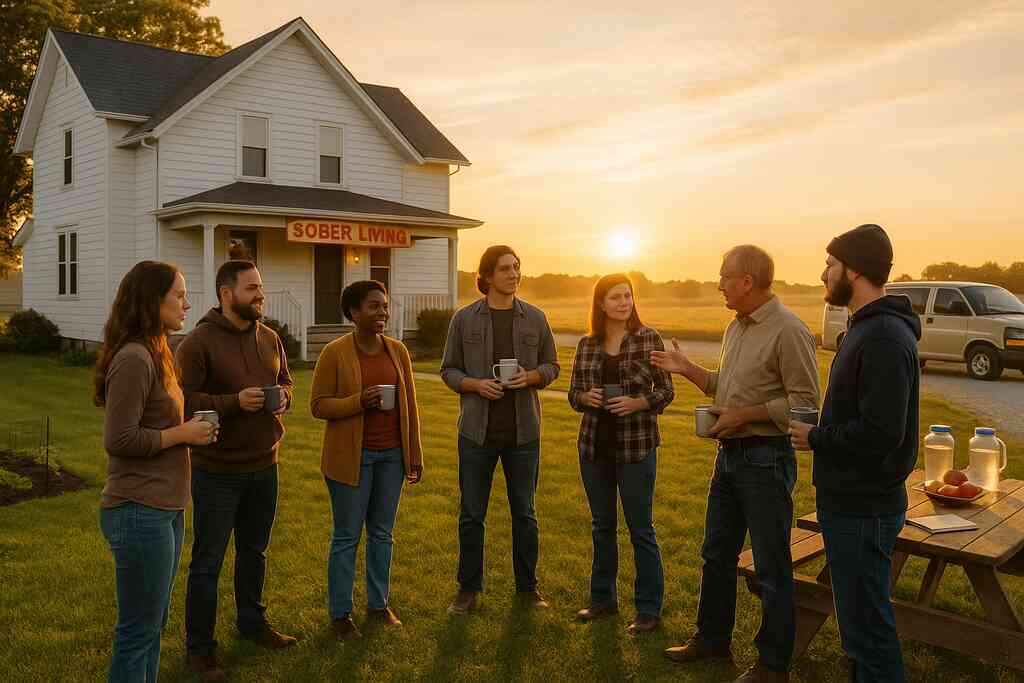
The floor plan of a Top Sober House balances privacy with camaraderie. Bedrooms stay uncluttered, promoting calm reflection after demanding outpatient appointments. Common rooms, painted in warm neutrals, foster casual peer support without feeling institutional. No televisions dominate; instead, reading nooks and meditation corners encourage mindful evenings. Filtered water stations replace sugary beverages, subtly reinforcing healthy choices against alcohol abuse triggers. Every design element broadcasts a safe environment where residents of sober living homes can restore dignity.
Equally important, exterior spaces invite movement and connection. Community gardens let newcomers practice responsibility while cultivating fresh produce for shared meals. Smoking zones sit away from entryways, honoring house rules and protecting respiratory wellness. Security lighting and keypad access provide a safe place without resembling punitive halfway houses. Together, these architectural details shape a sober living environment that feels both nurturing and empowering.
Role of the house manager and peer accountability
A skilled house manager anchors every Top Sober House in the state of Indiana. This professional lives onsite, modeling diligent recovery behaviors from breakfast to curfew checks. Their first duty involves maintaining zero-tolerance policies that keep the sober environment drug-free. Yet enforcement never eclipses mentorship. Managers lead nightly reflections, share relapse-prevention tools, and celebrate incremental victories that cement long-term sobriety. Such guidance resembles a life coach more than a warden, reducing fear in early recovery.
Peer accountability strengthens managerial oversight. Residents elect senior members to coordinate chores, support groups, and weekly inventories of communal spaces. The system teaches democratic responsibility, echoing principles learned in Alcoholics Anonymous meeting formats. When conflict arises, a restorative circle replaces punitive confrontation, allowing growth instead of shame. This culture of mutual regard distinguishes supportive sober housing that Indiana residents trust over traditional group homes.
Daily routine that bridges outpatient programs and 12-step meetings
Structure keeps a recovery journey on track. Each morning begins with a brief mindfulness session followed by chore rotations. Residents then leave for outpatient program therapy, vocational classes, or volunteering commitments. Return windows align with local transit schedules, mindful of those without personal vehicles. Afternoons include study halls where residents complete treatment homework while seasoned peers offer tutoring.
Evenings pivot toward spiritual and communal grounding. Van pools shuttle groups to twelve-step meetings, faith-based gatherings, or secular support circles. Attendance gets logged electronically, reinforcing accountability without micromanagement. Post-meeting debriefs occur over healthy snacks in the kitchen, letting residents process insights together. Lights-out remains consistent, guarding sleep hygiene that fortifies resilience against substance use disorder triggers.
Integrating technology for real-time support networks
Technology now extends the protective walls of sober living houses into the digital sphere. Every resident receives access to a secure app linking calendars, medication reminders, and mood journals. Push notifications nudge users toward house meetings or virtual therapy during unexpected schedule changes. Geo-fencing alerts managers if someone drifts near historic relapse locations, enabling swift compassionate outreach. These tools complement, rather than replace, face-to-face peer support that remains in recovery’s heartbeat.
Data insights also help administrators benchmark progress against national standards. For instance, Indiana leadership reviews dashboards comparing engagement rates with reports on defining success metrics in Ohio sober homes to refine programming. Sharing anonymized trends across states cultivates innovation without sacrificing local authenticity. Residents feel valued when their recovery milestones inform improvements that benefit future housemates. Ultimately, the platform turns isolated victories into communal momentum propelling long-term sobriety.
Affordable pathways for both men and women
Financial barriers often derail hope before residents even tour a sober house near me. Top Sober House mitigates this risk by negotiating bulk utility rates and shared service contracts. Savings pass directly to occupants, keeping weekly fees within reach of entry-level paychecks. Sliding scales accommodate individuals emerging from inpatient treatment with limited employment history. This approach sustains equitable access without compromising quality or safety checks.
Gender-responsive layouts further enhance affordability and dignity. Women’s wings include nursery alcoves and trauma-informed decor, reducing relapse linked to family stressors. Men’s corridors highlight fitness equipment and employment resource boards, channeling energy toward constructive outlets. Each demographic pays identical base rent, reinforcing inclusivity within the broader sober living program. Fair pricing combined with specialized support cements a supportive environment where every resident can thrive.
The Human Fabric of Recovery in Indiana
Building a community of alumni and newcomers
The power of Indiana sober living begins with people who truly understand one another. Alumni of sober living homes regularly return for evening circles, sharing victories and obstacles with newcomers. Their lived experience adds authenticity that textbooks cannot capture, keeping early recovery residents hopeful during hard weeks. Structured mentorship ladders pair first-month residents with seasoned peers, creating instant accountability and friendship. This multigenerational web transforms a simple house into a vibrant, supportive environment that celebrates progress instead of perfection.
Connection extends beyond scheduled meetings. Residents gather for weekend service projects, softball leagues, and potluck dinners that rebuild social confidence without alcohol addiction triggers. Shared laughter replaces isolation, while collaborative chores teach cooperation and respect. Newcomers quickly learn that community responsibilities mirror real-world expectations, preparing them for life after group homes. As bonds deepen, alumni events grow larger, demonstrating that long-term sobriety housing can evolve into a lifelong network of inspiration.
Culturally responsive support for rural and urban residents
Indiana’s patchwork of farming towns and bustling cities demands culturally responsive programming. Rural residents often drive hours for outpatient program therapy, so house managers arrange carpools and online counseling to bridge gaps. Urban participants, by contrast, face dense triggers like nightlife districts and stress from fast-paced jobs. Staff therefore teach tailored coping skills, whether managing quiet isolation on county roads or navigating city crowds after work. This adaptability ensures every resident feels seen and understood, regardless of zip code.
Language, faith traditions, and local customs also influence healing. Houses host interfaith meditation, county-fair style cookouts, and even basketball tournaments that honor Hoosier heritage. Volunteers from nearby colleges provide literacy tutoring for adults who missed schooling during active drug abuse years. These offerings reinforce dignity while respecting personal identity. By valuing local culture, supportive sober housing in Indiana families trust becomes a safe place where authenticity, not assimilation, drives recovery.
Collaborative care with rehab centers and support groups
Seamless collaboration keeps momentum strong after leaving a residential treatment center. Top Sober House coordinates weekly progress notes with referring rehab centers, allowing therapists and house managers to adjust plans quickly. This two-way communication guards against gaps that could invite relapse. Staff also maintain relationships with outpatient clinics, ensuring medication management aligns with house rules and daily routine expectations. Integrated care delivers consistency, the cornerstone of sustained recovery journeys.
Beyond professionals, peer networks remain essential. Residents use ride-shares to find local AA meetings in Indiana and record attendance through the house accountability app. Evening check-ins discuss meeting takeaways, reinforcing twelve-step principles without coercion. Those preferring alternative models carpool to SMART Recovery, faith-based gatherings, or trauma groups, showcasing inclusivity. This multifaceted approach widens safety nets, reminding every participant that no one recovers alone.
Empowering residents to transition into independent living
Preparation for independence starts on day one. Financial literacy workshops teach budgeting, credit repair, and paycheck planning, so fees for sober homes feel like training for future rent. Vocational coaches help residents build resumes, practice interviews, and secure employment matching personal strengths. Gradually, curfew extensions reward responsible behavior, mirroring freedoms they will soon manage alone. These incremental steps reduce anxiety about the inevitable move-out day.
House managers track individual goals through weekly action plans, celebrating milestones such as securing an apartment or reuniting with family. Community partners offer discounted gym memberships, art classes, and mentorships that encourage balanced lifestyles after leaving the sober living program. Residents also attend sessions on boundary setting and healthy relationships, combating codependency risks. When departure arrives, alumni take a victory lap during farewell dinners, proving that a drug-free group home can launch lasting self-reliance. Nearby support, including nearby NA meetings for continued support, remains only a phone call away, ensuring the bridge from structured living to full autonomy remains sturdy.
Measuring Success and Sustaining Momentum
Data-driven outcomes and long-term sobriety markers
Top Sober House believes numbers illuminate truths that feelings alone can hide. Each Indiana residence tracks relapse incidents, employment rates, and educational milestones. These metrics give house managers objective insight into whether the sober living environment truly promotes long-term sobriety. Residents review their personal dashboards during weekly check-ins, learning to celebrate measurable progress while correcting weak spots early. Data thus transforms abstract hope into concrete, motivational evidence.
Outcome review never replaces human warmth; it augments it. Managers present house-wide reports during monthly meetings, translating charts into plain language for every resident. When one group home’s anxiety scores improve after mindfulness classes, the practice spreads statewide. Conversely, spikes in missed 12-step meetings trigger immediate transportation solutions. This responsive cycle ensures that the supportive sober housing Indiana residents trust keeps evolving with real-time feedback.
Stories behind the statistics in Indiana sober living
Behind every percentage sits a life reclaiming dignity. A single mom from rural Jasper County turned dashboard gains into graduation from community college. Her journey shows that academic persistence can blossom once alcohol addiction no longer dominates evenings. Another alumnus, a factory employee from Gary, leveraged peer support to rebuild credit and purchase reliable transportation. Such narratives breathe meaning into the charts reviewed during data sessions.
Storytelling also strengthens peer accountability. When newcomers hear alumni describe conquering urges at midnight, the experience feels achievable, not mythical. House meetings dedicate time to these testimonies, ensuring that statistics never overshadow humanity. The practice feeds communal pride, inspiring residents of sober living homes to aim higher each month. Shared victories, large or small, reinforce collective resilience and belonging.
Leveraging the Top Sober House referral network
Success multiplies when connections span state lines. Graduates pursuing relocation receive warm handoffs through the Top Sober House directory. A Hoosier moving for work might explore peer-supported group housing in Ohio to maintain a consistent recovery culture. This seamless transition prevents gaps in structure that could invite relapse during stressful moves. Reciprocal referrals also bring new perspectives back to Indiana houses, enriching local discussions.
The network benefits current residents too. Visiting speakers from partner states share job-search strategies, elevating vocational workshops. House managers collaborate across regions, exchanging best practices on medication storage or conflict mediation. Such cross-pollination keeps every sober living program fresh, evidence-driven, and culturally adaptable. Above all, it reminds participants that the supportive environment extends beyond their immediate zip code.
Preparing for life after the safe place
Discharge planning starts early to sustain momentum. Financial literacy sessions teach budgeting so rent payments never eclipse essential recovery expenses. Residents craft individualized relapse-prevention plans, pairing favorite coping skills with nearby 12-step meetings. These blueprints travel with them, serving as portable anchors once curfews disappear. Alumni mentors review the plans, offering practical tweaks learned through real-world experience.
Practical rehearsals reinforce readiness. Trial weekends in independent apartments allow graduates to test morning routines without onsite supervision. Check-ins afterward reveal strengths and unforeseen stressors, guiding final adjustments. Employers and outpatient program counselors join transition meetings, aligning schedules and wellness goals. When departure day arrives, each person leaves confident that support systems-familial, professional, and spiritual-are firmly in place.
Charting Your Next Move Toward Freedom
 Charting Your Next Move Toward Freedom
The first step to applying for a sober house near me
Starting the sober living application process can feel overwhelming, yet clarity returns once you break it into manageable tasks. First, list personal needs such as proximity to outpatient program clinics, transportation, and budget limits. Then, review Top Sober House near you listings, comparing house rules, peer support models, and available mentorship. Taking notes on each sober living program turns abstract details into concrete comparisons. Finally, schedule virtual or in-person tours so you can gauge the atmosphere firsthand and ask questions about daily routine expectations.
After narrowing choices, gather the required documents before you complete the application. Most residences request identification, proof of recent inpatient treatment, and contact information for a counselor or sponsor. Submit paperwork early to secure space and avoid waiting lists that often fill quickly. If desired homes charge more than current resources allow, explore scholarships or nearby alternatives such as affordable sober living options in Kentucky for comparative insight. Research confirms that acting promptly during early recovery strengthens commitment and reduces relapse risk.
Embracing the Indiana recovery journey with confidence
Confidence grows when you understand the supportive environment waiting beyond admission. Residents of sober living homes in Indiana gain structure through curfews, chore agreements, and scheduled 12-step meetings. Those boundaries convert chaos into stability, allowing space for career planning, family reconciliation, and creative pursuits. Furthermore, a trained house manager coaches residents on coping skills, ensuring that each setback becomes a learning opportunity rather than a spiral toward alcohol abuse. Peer accountability multiplies this support, because shared victories feel more powerful than solitary wins.
Momentum also relies on realistic milestones. Set weekly goals such as attending a new support group, refining a résumé, or meal-planning for healthier living. Celebrate progress during house meetings; small acknowledgments reinforce self-efficacy. Use digital tools provided by Top Sober House to track attendance, journal moods, and flag high-risk triggers for rapid response. Consistent engagement with these resources keeps the Indiana recovery journey on course.
Joining the evolving movement of safe environments
Every graduate strengthens the statewide network of drug-free group homes that Indiana residents trust. Alumni mentor newcomers, share job leads, and model long-term sobriety housing success well after moving into independent apartments. Their stories prove that sustained freedom is possible when community remains central. By staying connected, you also contribute feedback that shapes future house policies, enhancing safety for the next generation. This living loop exemplifies maintaining lifelong sobriety principles without isolating yourself from meaningful relationships.
Participation reaches beyond geographical boundaries. Virtual workshops link Indiana residents with peers exploring transitional sober homes in neighboring regions, reinforcing collective wisdom. Collaborative webinars on résumé building, nutrition, and emotional resilience enhance skill sets while highlighting shared dedication across states. Such cooperation keeps the supportive environment innovative, responsive, and inclusive. Ultimately, deciding to join a Top Sober House means signing on to a movement that constantly refines what sober living in Indiana can achieve.
Frequently Asked Questions
Question: What sets a Top Sober House sober living environment in Indiana apart from traditional halfway houses?
Answer: Traditional halfway houses often emphasize legal compliance and short-term lodging, while a Top Sober House residence weaves peer support, trauma-informed house rules, and an alcohol-free living environment into every detail. Each Indiana home is vetted for safety, affordability, and evidence-based programming, creating a drug-free group home that Indiana families can trust for long-term sobriety. Residents benefit from on-site house managers, structured daily routines that link to outpatient programs, and technology that flags relapse risks early-features rarely found in older halfway house models.
Question: How does peer accountability strengthen recovery inside supportive sober housing that Indiana residents choose?
Answer: Peer accountability is the heartbeat of every Top Sober House near you. Residents share chores, attend 12-step meetings together, and log progress through a secure mobile app. Senior peers mentor newcomers on coping skills, while nightly check-ins turn lived experience into real-time guidance. Because setbacks are spotted first by fellow residents, early recovery support arrives quickly, keeping the sober environment stable and encouraging life-long bonds among alumni of sober living homes.
Question: In How Top Sober House Defines Sober Living in Indiana 2025, what role does technology play in the daily routine and relapse prevention plan?
Answer: The 2025 blueprint integrates technology to extend the safe place beyond four walls. Geo-fencing alerts managers if someone nears past trigger zones, while push notifications remind residents of medication times, AA meetings, and mindfulness breaks. Aggregated data dashboards let staff compare engagement rates with other top sober houses nationwide, refining Indiana sober living house rules in real time. This digital safety net complements face-to-face support, giving residents an extra layer of protection during their recovery journey.
Question: Are affordable women’s and men’s sober living options available near Indianapolis and Fort Wayne through the Top Sober House directory?
Answer: Yes. Top Sober House lists gender-responsive homes across the state, including women’s sober living Indiana locations with nursery alcoves and men’s sober homes featuring onsite fitness spaces. Bulk utility contracts and sliding-scale fees keep weekly costs manageable, whether you seek a sober house near Fort Wayne’s employment hubs or an Indianapolis residence close to outpatient program clinics. Transparent cost breakdowns and virtual tours help families choose the right supportive environment without hidden expenses.
Question: What steps should I follow when applying for a sober house near me after completing inpatient treatment?
Answer: First, outline personal needs such as budget limits, proximity to treatment programs, and preferred peer-supported recovery homes. Next, visit the Top Sober House Indiana guide to compare listings, review house rules, and book a tour. Gather identification, discharge papers from your residential treatment center, and a counselor reference before submitting the online application. If finances are tight, ask about scholarships or nearby affordable sober homes that Indiana offers. Acting promptly secures your spot in a safe recovery residence and keeps the momentum of early recovery moving forward.