
Innovative Sobriety Methods Pioneered by Top Sober House
December 31, 2025
Awakening to a New Era of Sober Living Innovation
From traditional halfway houses to tech-powered top sober houses
For decades, traditional halfway houses offered a basic roof and rigid curfews. Residents complied, graduated, and often returned to high-risk neighborhoods. The model saved lives but rarely evolved. Top sober houses recognized that addiction recovery demands more than beds and rules. They infused smart technology, peer mentorship, and trauma-sensitive design into every corridor. Today, anyone browsing the Top Sober House official site for tech-advanced recovery can immediately sense that transformation.
A secure digital dashboard now replaces paper chore charts. Wearable sync monitors alert staff to sleep disruptions that may signal cravings. Real-time messaging connects residents to alumni in minutes, not days. Data-driven alerts prompt house managers to schedule extra check-ins before stress peaks. By merging tech with compassion, these top sober houses redefine sober living environments for people battling alcohol addiction nationwide.
Linking evidence-based sober living models with community-driven recovery
Innovation still respects science, and every evidence-based sober living model starts with proven behavioral principles. Top Sober House specialists map those principles onto daily routines, ensuring consistency between research and reality. Randomized studies confirm that structured peer support boosts abstinence rates, so group homes schedule nightly check-ins. House rules mandate job search follow-ups because employment correlates with reduced relapse. Collectively, these micro-interventions weave a safety net that feels organic rather than imposed.
Community-driven recovery then completes the loop. Residents elect leadership committees, plan sober outings, and vote on weekend curfew extensions. The Top Sober House signature program seeds these rituals with mentorship training and continuous feedback loops. Such shared governance transforms compliance into collaboration, strengthening accountability circles inside each supportive environment. Neighborhood service projects allow residents to practice sober skills while rebuilding mutual trust with surrounding neighbors. When evidence-based guidelines meet grassroots energy, hope becomes tangible and repeatable.
Why innovative sobriety methods matter for long-term sobriety
Long-term sobriety is rarely accidental; it is engineered through innovative sobriety methods that anticipate obstacles. Cravings spike during transition points, so top sober house staff rehearse exit strategies weeks before move-out. Residents write personalized recovery roadmaps detailing triggers, support numbers, and emergency meeting locations. This foresight reduces post-discharge relapse, according to internal outcome tracking. Innovation, therefore, is not a luxury, but an essential relapse prevention.
Cutting-edge methods also honor individual differences, acknowledging that substance use disorder manifests through diverse pathways. Gender-specific workshops, culturally attuned mentors, and multilingual resources ensure no resident feels unseen. Gamified milestones convert weeks of abstinence into visible achievements, sustaining dopamine without drugs. Telehealth links residents to specialized therapists when local options are sparse. By addressing biology, psychology, and environment simultaneously, innovation supports sustained change beyond any single program.
The Top Sober House Signature Program and Personalized Recovery Roadmaps
AI-powered relapse prevention and digital sobriety tracking apps
Predictive analytics within the Top Sober House signature program combat cravings before residents feel overwhelmed. Machine learning reviews sleep patterns, mood entries, and location data to flag high-risk moments for alcohol addiction relapse. That alert instantly reaches the house manager, who can offer immediate peer support within our supportive environment. Residents love watching their progress rise on colorful dashboards that gamify sober living program milestones. For deeper insight, explore Top Sober House’s roadmap for the future of digital sober support systems.
Individualized recovery roadmaps sit inside the same app that tracks hydration, exercise, gratitude, and stress-reduction practices. The software rewards residents of sober living homes with badges for attending consecutive support groups or finishing therapy homework. When drug abuse thoughts spike, push notifications prompt breathing exercises or quick chats with a sponsor. Such micro-interventions reinforce long-term sobriety by keeping coping skills literally at a resident’s fingertips. Because data lives securely in the cloud, clinicians can adjust treatment programs without delaying the recovery journey.
Skills-based sobriety training woven into daily routine and house rules
Technology alone cannot replace disciplined practice, so skills-based sobriety training anchors every daily routine within top sober houses. Breakfast meetings teach mindfulness, while chore rotations cultivate responsibility crucial for a balanced sober living environment. Role-play scenarios rehearse boundary setting with friends who still normalize alcohol abuse or drug misuse. Residents practice budgeting to ensure paychecks support rent, nutritious food, and extracurricular growth rather than risky impulses. Every workshop aligns with evidence-based sober living models that emphasize autonomy within a safe place.
House rules drive repetition until new habits feel natural, reducing triggers when residents transition to sober houses near me options. Group homes schedule evening reflections to measure progress against the personalized recovery roadmaps created earlier in early recovery. Peer support circles then celebrate wins, providing social reinforcement proved vital across numerous residential treatment center studies. Because sessions remain interactive, residents quickly translate theory into action within the sober environment. This practical rhythm distinguishes top sober home culture from outdated halfway houses that stressed surveillance over empowerment.
Continuum-of-care partnerships with inpatient treatment and outpatient program allies
Recovery rarely unfolds in a straight line, so continuum-of-care partnerships knit safety nets around every participant. Top sober house clinicians coordinate with inpatient treatment teams to receive discharge summaries and medication updates immediately. Those insights guide placement within sober housing levels that match psychological readiness and medical needs. If a setback occurs, quick referrals channel residents to rehab centers or partial hospitalization without bureaucratic delays. The result is a resilient pathway that shields long-term sobriety from unexpected crises.
Outpatient program allies extend therapy, occupational counseling, and family education beyond the walls of sober living houses. Shared electronic records minimize repetition, letting residents focus energy on healing rather than retelling painful histories. Alumni frequently return for 12-step meetings, bridging external support groups with internal mentoring. This collaboration reinforces principles taught by alcoholics anonymous while integrating modern cognitive therapies. Such hybrid care exemplifies the adaptive spirit powering the top sober house in the state for every resident.
Telehealth sober coaching for a seamless sober house near you support
Geography no longer limits coaching, because telehealth platforms link certified specialists with any sober house near you instantly. Video sessions let clinicians observe body language, ensuring nuanced support during vulnerable moments of early recovery. Residents can join midday check-ins from workplaces, sustaining accountability without disrupting employment stability. Meanwhile, family members participate in virtual counseling, learning to transform home dynamics into a safe environment. These sessions complement on-site peer support, creating a multi-layered safety system unseen in many traditional sober homes.
Telehealth also expands access to specialists in trauma, eating disorders, or chronic pain that often complicate substance use disorder. Clients schedule appointments through the same portal that tracks mood, unifying data streams for stronger clinical decisions. HIPAA-compliant messaging lets a counselor send grounding exercises exactly when cravings appear. Such immediacy lowers risk and nurtures long-term sobriety without forcing emergency clinic visits. By merging digital speed with human warmth, the top sober house near you continually redefines what a supportive environment can achieve.
 Mindful Environments and Holistic Modalities Redesigning Sober Living Houses
 Mindful Environments and Holistic Modalities Redesigning Sober Living Houses
Trauma-informed sober housing fused with green space therapy
Trauma often hides beneath substance use disorder, so top sober houses weave trauma-informed design into every hallway and communal nook. Soft lighting, calming color palettes, and acoustic dampening reduce hypervigilance that survivors frequently carry into early recovery. Outside, curated gardens invite residents of sober living homes to practice grounding exercises among fragrant herbs and native trees. Research shows that even brief exposure to nature lowers cortisol and improves emotional regulation, which directly supports long-term sobriety goals. House rules therefore encourage residents to journal outdoors after group therapy, transforming passive landscaping into an active relapse-prevention tool.
Beyond aesthetics, staff receive specialized training in trauma-sensitive communication, ensuring language never shames or retraumatizes. House managers pause chores when flashbacks surface, offering mindfulness scripts instead of punitive responses. Peer support circles incorporate narrative therapy, letting residents safely rewrite painful memories while surrounded by vegetation that symbolizes growth. This mindful sobriety technique aligns with the evidence-based sober living model insisting that psychological safety precedes behavioral change. Consequently, relapse rates fall because triggers meet compassion rather than confrontation.
Yoga-based stress reduction and nutrition-focused relapse prevention
Morning starts with gentle yoga that synchronizes breath, movement, and intention inside the sober living environment’s sunlit studio. Instructors adapt poses for diverse body types, affirming that recovery celebrates progress over perfection. Regular practice strengthens parasympathetic tone, so cravings lose urgency as soon as diaphragmatic breathing begins. Meanwhile, mindful stretching teaches residents to notice bodily cues, an underappreciated warning system for alcohol abuse relapse. When residents feel tension spike, they now recognize it early and reach for mats rather than bottles.
Nutrition workshops complement yoga by reframing food as biochemical armor against drug abuse temptation. Chefs demonstrate balanced meals rich in omega-3s, complex carbohydrates, and micronutrients proven to stabilize mood. Residents learn to budget grocery funds, reinforcing financial responsibility embedded within skills-based sobriety training. Evening cooking circles double as peer support, turning meal prep into social reinforcement that rivals any 12-step meeting for camaraderie. Over time, brain chemistry heals, and the craving cycle weakens because bodies finally receive what alcohol once tried to imitate.
Eco-friendly sober homes championing sustainable recovery
Sustainability mirrors recovery: both require daily choices that respect future well-being. Therefore, top sober homes retrofit insulation, install solar panels, and utilize low-VOC paints to safeguard respiratory health within the supportive environment. Recycling stations and compost bins become tangible reminders that small actions accumulate, just like incremental sober days. Residents track utility savings on a digital dashboard, converting kilowatt reductions into gamified points redeemable for weekend activity vouchers. This visible feedback loop motivates continued engagement while teaching stewardship that extends beyond personal healing.
Community gardens supply fresh produce for the nutrition program, closing an ecological loop that also builds self-efficacy. Residents manage crop rotations, solve pest problems collaboratively, and celebrate harvest feasts that showcase sober living program success. Partnerships with local green nonprofits introduce mentorship opportunities, bridging group homes with civic networks. One property showcasing these measures ranks among the state’s most innovative sober residences in Texas, demonstrating that environmental responsibility and addiction recovery can thrive together. The message resonates: protect the planet, protect your future self.
Neurofeedback for cravings management inside a safe environment
Cutting-edge neurofeedback labs now sit beside traditional meditation rooms, offering real-time brainwave training for cravings control. Residents wear sensors that translate neural activity into visual graphs displayed on tablets. When stress spikes, the software cues relaxing imagery, prompting the brain to recalibrate toward calmer frequencies. Over successive sessions, participants learn to self-modulate arousal, shrinking the window where relapse decisions often occur. Because sessions feel like interactive games, engagement remains high even among younger residents seeking tech-forward interventions.
Importantly, neurofeedback complements, rather than replaces, established treatment programs within sober housing. Clinicians integrate session data into personalized recovery roadmaps, adjusting coping strategies based on measurable neural progress. Peer-led accountability circles discuss experiences, normalizing biofeedback as another tool rather than a novelty. Safety protocols ensure equipment hygiene and confidentiality, preserving the safe place ethos critical for trust. As a result, the sober environment becomes both a laboratory and a sanctuary where innovation meets empathy, propelling residents toward resilient, self-regulated living.
Community-Driven Accountability Enhanced by Technology
Peer-led accountability circles and virtual support community synergy
Residents gather nightly for peer-led accountability circles that transform shared stories into strategic action plans. Every voice carries equal weight, encouraging honest disclosure without fear of judgment. Digital whiteboards project real-time agenda points, keeping discussions focused on sobriety milestones and possible relapse triggers. Because meetings end with tangible commitments, the circle fuels immediate follow-through the next day. Technology supports human warmth rather than replacing it.
Outside scheduled gatherings, a secure virtual forum extends conversation into the evening commute. Push notifications celebrate daily wins, strengthening bonds when physical proximity fades. Newcomers explore broader options by clicking the dedicated portal to search sober living options near you online. This link introduces additional top sober houses while modeling proactive information seeking. As digital and in-person support intertwine, residents learn that community is portable and always within reach.
SMART Recovery integration with a 12-step hybrid methodology
Top Sober House coaches blend SMART Recovery tools with traditional twelve-step reflections to create a balanced cognitive-spiritual framework. Rational-emotive worksheets teach residents to identify distorted thinking that fuels alcohol addiction. Weekly discussion groups then pivot to gratitude inventories, honoring humility central to legacy programs. This hybrid methodology respects diverse learning styles without diluting either tradition. Participants leave meetings armed with both scientific strategies and timeless fellowship.
Mentors provide optional reading on the overview of twelve-step programs to ground new residents in the historical context. Meanwhile, app-based SMART modules track progress through interactive quizzes that adjust to user feedback. The dual system encourages experimentation until each individual discovers a personalized recovery rhythm. Combining evidence-based sober living models with community rituals prevents ideological rigidity and supports long-term sobriety.
Sober living gamification and aftercare readiness assessments
Gamified dashboards convert routine chores into colorful progress bars, turning daily tasks into dopamine-boosting victories. Each completed meditation, job search, or therapy session unlocks badges redeemable for weekend excursion vouchers. This playful structure rewards consistency and counters the monotony that often undermines early recovery. Residents report that leveling up inside the sober environment feels as satisfying as previous substance highs but without negative consequences.
Every month, house managers administer structured aftercare readiness assessments that sync automatically with those gamified records. Metrics evaluate coping skills, trigger awareness, and external support networks, producing a visual scorecard for each participant. When scores plateau, personalized recovery roadmaps update to add extra peer support or therapy intensives. Transparent data removes guesswork, ensuring no one graduates before mastering essential relapse-prevention skills.
House manager leadership training for resilient sober living environments
Sustainable change requires skilled leadership, so Top Sober House invests heavily in house manager leadership training. Curriculum covers trauma-informed communication, conflict de-escalation, and technology-enhanced sober housing analytics. Managers practice motivational interviewing until supportive language becomes second nature, reinforcing the safe place ethos. Ongoing mentorship pairs seasoned leaders with new hires to foster institutional memory and innovation simultaneously.
Quarterly workshops simulate real-world crises, from sudden job loss to family conflict, allowing managers to rehearse swift, compassionate responses. Graduates receive certification acknowledging mastery of resilience-building workshops and policy compliance. Their expertise becomes the backbone of each supportive environment, ensuring rules feel empowering rather than punitive. As leadership competence rises, resident satisfaction and long-term sobriety metrics follow suit.
Charting the Future of Sober Housing and Resilience Beyond Residence
 Charting the Future of Sober Housing and Resilience Beyond Residence
Innovative halfway house operations steering sustainable sobriety
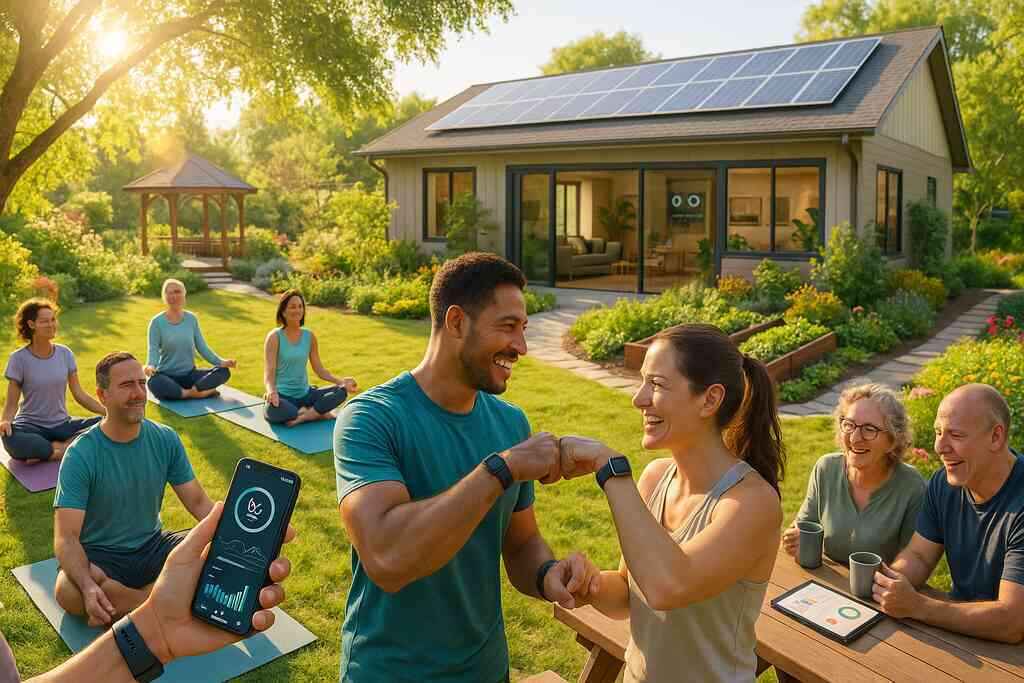
Forward-thinking halfway house operations now fuse smart building systems with relationship-centered coaching. Motion sensors adjust lighting to mimic circadian rhythms, reinforcing mindful sobriety techniques without verbal reminders. Recycled water systems lower utility costs, proving that eco-friendly sober homes can be financially sustainable. House managers review live dashboards that display digital sobriety tracking app data alongside neurofeedback for cravings management results. This blended insight guides personalized recovery roadmaps and schedules resilience-building workshops when stress indicators spike.
Continuum-of-care partnerships widen the lens beyond daily chores. Hospital liaisons upload discharge notes directly into the AI-powered relapse prevention portal, shrinking information gaps. Peer-led accountability circles then translate clinical advice into community-driven recovery support actions within minutes. Monthly aftercare readiness assessments combine objective biometrics with subjective surveys, aligning with every evidence-based sober living model. Operators continue studying resources such as the community-centric sober homes in Georgia to refine neighborhood engagement blueprints.
Inviting readers to discover a top sober house near them for the next step on their recovery journey
Choosing the right address can determine whether early recovery becomes a lifelong transformation. Top Sober House simplifies that decision by comparing amenities, house rules, and treatment programs across thousands of listings. Interactive maps show technology-enhanced sober housing options beside public transport and employment hubs. Filter toggles highlight properties offering yoga-based stress reduction, nutrition-focused relapse prevention, or SMART Recovery integration. Prospective residents can even preview virtual support community reviews before scheduling a house manager walkthrough.
When a listing feels right, one click initiates telehealth sober coaching to plan the transition timeline. Onboarding specialists share skills-based sobriety training worksheets that prepare new arrivals for integrated wellness programming. Residents enter move-in day already familiar with house Wi-Fi protocols, gamification dashboards, and quiet hours. That preparation reduces anxiety, allowing attention to focus on holistic addiction recovery approach elements like green space therapy. Begin your sober lifestyle redesign today by exploring destinations within the Top Sober House signature program directory.
Frequently Asked Questions
Question: How does the AI-powered relapse prevention inside the Top Sober House signature program outperform what traditional halfway houses can offer?
Answer: Traditional halfway houses rely on periodic check-ins and paper logs, which means cravings or stress spikes can go unnoticed for hours. Top Sober House equips every resident with a digital sobriety tracking app that gathers sleep data, mood entries, and location patterns in real time. Our AI engine compares those metrics against evidence-based sober living model risk profiles and instantly alerts the house manager or telehealth sober coach when relapse indicators appear. The result is a proactive, not reactive, safety system that provides micro-interventions-such as guided breathing prompts, peer support calls, or an impromptu mindfulness session-minutes after risk is detected. Residents feel seen, supported, and confident that someone is always monitoring their recovery journey in our technology-enhanced sober housing environment.
Question: In Innovative Sobriety Methods Pioneered by Top Sober House you highlight personalized recovery roadmaps-what exactly goes into those plans and how are they kept current?
Answer: A personalized recovery roadmap is a dynamic blueprint for long-term sobriety. It begins with a clinical assessment that captures substance use disorder history, co-occurring conditions, and lifestyle goals. We then weave in skills-based sobriety training milestones (budgeting, boundary setting, employment targets), schedule holistic addiction recovery approach modules (yoga-based stress reduction, nutrition-focused relapse prevention, neurofeedback for cravings management), and set gamified checkpoints tracked inside the digital dashboard. Because the plan lives in the cloud, house managers, outpatient program therapists, and telehealth sober coaching teams can update objectives immediately after every aftercare readiness assessment or resilience-building workshop. Residents watch their roadmap evolve in real time, reinforcing progress and spotlighting the next achievable win.
Question: What role do trauma-informed sober housing design and mindful modalities like green space therapy play in creating a truly safe environment for residents of sober living homes?
Answer: Many people battling alcohol addiction or drug abuse carry unresolved trauma that heightens hypervigilance. Our trauma-informed sober housing uses soft lighting, acoustic dampening, and calming color palettes to reduce sensory overload the moment a resident steps inside. Outside, curated gardens offer green space therapy, scientifically shown to lower cortisol and stabilize mood. We blend these mindful sobriety techniques with daily yoga sessions and meditation rooms so residents can self-regulate stress before it snowballs into cravings. By coupling physical design with holistic modalities, Top Sober House transforms the typical sober living environment into a truly safe place where healing feels both possible and sustainable.
Question: How do peer-led accountability circles and the virtual support community strengthen community-driven recovery support if I choose a top sober house near me?
Answer: Community is the heartbeat of every top sober home. Each night, residents gather in peer-led accountability circles to review daily wins, discuss triggers, and assign practical action steps for the next 24 hours. Commitments are logged on a shared digital whiteboard that syncs with our virtual support community portal. When residents head to work or classes the next day, push notifications celebrate completed tasks and encourage check-ins if stress emerges. Because the community is both in-person and online, support remains portable-whether you’re cooking dinner in the kitchen or commuting on a bus. This synergy of face-to-face honesty and real-time digital encouragement turns isolation into connection, a cornerstone of community-driven recovery support.
Question: How do continuum-of-care partnerships and telehealth sober coaching keep graduates of sober living houses on track for lifelong sobriety?
Answer: Recovery doesn’t end at move-out, so Top Sober House coordinates closely with inpatient treatment teams, outpatient programs, and local rehab centers to ensure seamless data handoffs. Discharge summaries, medication adjustments, and therapy notes flow directly into our secure system, guiding the next phase of support. Graduates receive scheduled telehealth sober coaching sessions that fit around new jobs or school commitments, allowing accountability without disrupting daily routine. If life throws a curveball-say job loss or family conflict-the coach can escalate services back to an intensive outpatient program or arrange an emergency peer support meeting usually within 24 hours. This tight, tech-enabled continuum protects long-term sobriety and reassures alumni that help is always one video call away.