Reviewing Top Sober House Daily Routines for Ohio Veterans
January 28, 2026
Mission Reboot: Introduction to Ohio Veteran Sober Living
From rehab centers to veteran friendly sober living houses
The path from detox to independence can feel longer than any deployment, yet Ohio veterans never have to march alone. Many leave inpatient treatment with strong intentions but shaky civilian footing; that is where veteran supportive sober homes in Ohio bridge the gap. These residences combine camaraderie, structure, and peer accountability that mirror the best parts of military life. Veterans discover clear house rules, morning formations, and shared goals that keep recovery visible rather than abstract. As a result, the familiar rhythm reduces anxiety and builds early recovery confidence.
Top Sober House curates a statewide network of veteran friendly sober homes. Each property follows the proven framework of group homes while adding trauma-informed care unique to service members. Residents practice sober living program milestones, attend 12-step meetings, and relearn civilian habits through disciplined scheduling. The combination of self-governance and professional oversight gives former service members a stable launchpad toward long-term sobriety. Ultimately, the transition feels mission-oriented rather than punitive.
Because accountability is communal, relapse risk noticeably declines. Veterans quickly spot changes in a comrade’s mood or routine, offering immediate peer support. This vigilance reflects battlefield instincts now repurposed for health and healing. Consequently, Ohio’s veteran sober housing scene consistently reports higher retention rates compared with generic halfway houses. The culture of mutual responsibility, reinforced by Top Sober House standards, keeps residents focused on collective victory.
House rules and daily structure that honor military discipline
Clear expectations remove ambiguity, a lesson every recruit learns. Ohio veteran sober living houses post visible house rules covering curfews, chore rotations, and mandatory meeting attendance. These guidelines echo military codes of conduct, letting residents shift seamlessly from a former uniformed life into structured recovery. No one wonders what comes next; everyone understands the chain of responsibility that sustains a sober environment.
Morning accountability check-ins replace roll call yet deliver identical benefits. The house manager, much like a squad leader, verifies wake-ups, inspects common areas, and reviews each resident’s daily plan. This early action discourages complacency and fosters personal pride. Veterans accustomed to inspections find the process reassuring rather than intrusive, which reinforces consistency and trust.
Chore schedules also resemble duty rosters. Every task-from kitchen sanitation to lawn care-rotates weekly, ensuring fair load distribution. Residents sign off upon completion, and peers validate results, building mutual respect. Such routines not only maintain a safe place but also teach time-management essentials for employment readiness. Over time, veterans internalize these habits, turning external rules into internal discipline that lasts well beyond sober housing.
Creating a PTSD informed sober environment for lasting safety
Many Ohio veterans carry invisible wounds that complicate alcohol addiction recovery. Therefore, PTSD-informed design is non-negotiable in top sober houses. Quiet zones, blackout-capable bedrooms, and predictable lighting reduce hypervigilance triggers. House managers receive specialized training to recognize flashbacks, dissociation, or anxiety spikes and respond without judgment. This trauma-sensitive approach transforms residences into genuinely safe environments.
Peer support amplifies professional care. Veterans participate in optional small-group debriefs that mirror after-action reviews. During these meetings, residents dissect stressful events, share coping tools, and practice grounding techniques. Such peer-led sessions complement formal outpatient therapy coordinated with the Department of Veterans Affairs. The dual focus on mental health and substance use disorder prevents either issue from derailing progress.
Finally, house culture actively celebrates resilience milestones. Residents acknowledge one another’s clean-time anniversaries, therapy breakthroughs, and employment successes. These shared victories nurture collective morale while reinforcing personal responsibility. When veterans see recovery modeled by respected peers, belief in long-term sobriety strengthens. With PTSD triggers managed and trust restored, daily routines become stepping-stones rather than stumbling blocks.
Dawn Patrol Morning Accountability in Top Sober House Ohio
Early check-ins and peer support driven morning meetings
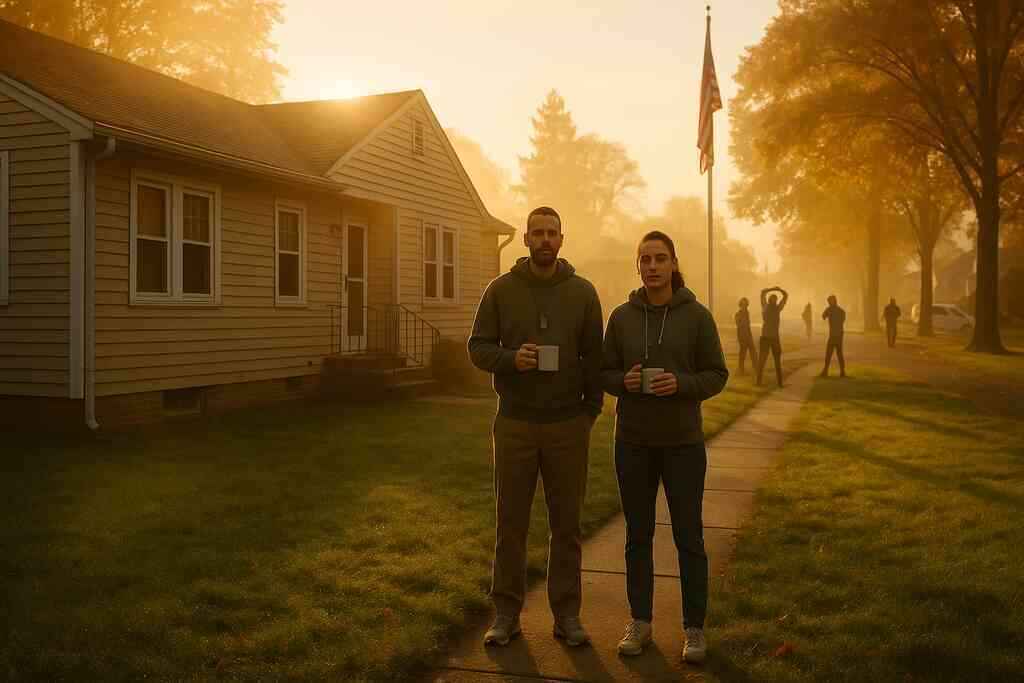
The sun has barely broken the horizon when Ohio veteran sober living routines begin in earnest. Residents form a quiet line in the common room, mirroring familiar military formations, ready for morning accountability meetings. Each participant reports on sleep quality, mood, and planned objectives, turning personal reflection into collective momentum. This ritual anchors early recovery by replacing isolation with peer support for veterans in recovery who understand one another’s background and lingo. By keeping the tone encouraging yet direct, the house manager ensures every voice is heard while safeguarding the veteran friendly sober living environment from complacency.
Daily structure in sober homes for veterans strengthens when feedback loops stay immediate. If a resident mentions emotional turbulence, a peer volunteer steps forward to serve as an accountability partner for the next 24 hours. Such a swift response normalizes vulnerability, turning potential relapse triggers into teachable moments. Veterans appreciate how the strategy mirrors battlefield buddy systems, trading helmets for honesty. Any patterns of withdrawal, irritability, or rule avoidance are noted, allowing staff to intervene before harmful behaviors escalate. Practical, compassionate vigilance becomes the house’s first protective perimeter.
12-step integration alongside physical training routines
Once check-ins conclude, the group moves into a concise reading from Alcoholics Anonymous literature, reinforcing 12-step mornings in sober housing without feeling ceremonial. House rules encourage rotating facilitators, so every resident gains confidence leading discussions on powerlessness, gratitude, and service. This shared responsibility keeps lessons fresh and prevents any single voice from dominating the room, a key principle within structured sober routines. Veterans often highlight how the frank language of recovery parallels straight-talk briefings they once received in uniform.
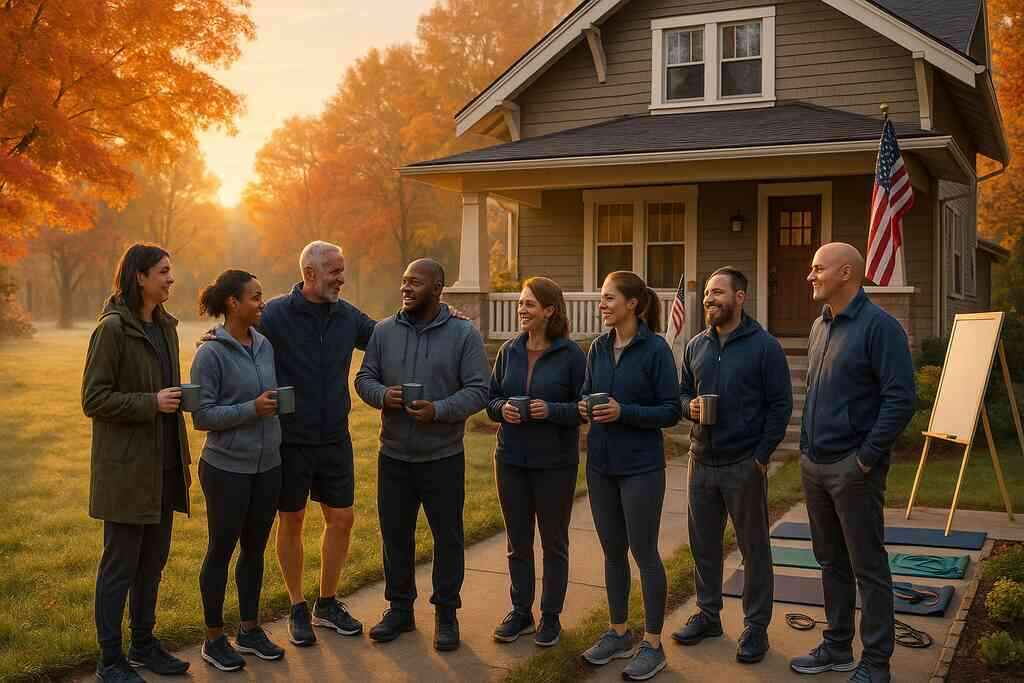
Immediately afterward, physical training begins on the property’s modest workout lawn or, in colder months, within the garage gym. Push-ups, resistance bands, and brisk walks recalibrate adrenaline levels that used to spike during alcohol abuse or combat. Movement also primes the brain for neuroplasticity, making midday therapy sessions more effective. Residents who struggle with joint pain can substitute chair yoga or guided stretching, ensuring inclusivity. The combination of spiritual work and exercise creates a holistic launchpad that many halfway houses overlook.
Chore schedule and house manager oversight for shared responsibility
A laminated roster on the kitchen wall outlines the chore schedule in sober houses, assigning tasks ranging from breakfast cleanup to flag maintenance. Assignments rotate weekly to distribute labor fairly and teach adaptable skill sets useful after treatment programs end. The house manager conducts spot checks, confirming sanitization standards that rival any field inspection. Residents of sober living homes quickly realize that a spotless countertop can hold as much recovery value as a therapy session because it instills pride and mindfulness.
Transparency remains crucial, so completed chores are initialed on the roster before lunch. Any missed task triggers a calm corrective conversation rather than immediate punitive action, reinforcing a supportive environment without eroding accountability. For newcomers, mentors demonstrate efficient cleaning methods, showing that asking for help aligns with house culture. A QR code on the roster links to the daily recovery schedule on Ohio sober houses so family members can follow along remotely, boosting external encouragement. Over time, shared responsibility morphs from external duty to internal integrity, steering residents toward long-term sobriety.
 Midday Operations Building Recovery Momentum
 Midday Operations Building Recovery Momentum
Coordinating outpatient care with VA and local support groups
Balancing therapy sessions with real-world responsibilities becomes the midday mission for residents of Ohio veteran sober living routines. House managers maintain a digital roster that lists every participant’s scheduled VA appointment, ensuring transportation plans are locked before breakfast ends. Veterans appreciate this coordination because it reflects a familiar chain-of-command system; nothing gets lost in bureaucratic shuffle. If an unexpected cancellation occurs, staff quickly secure a same-day slot with a trusted community clinic rather than allowing idle time to breed anxiety. Clear communication keeps recovery momentum strong and prevents fragmented care.
Beyond medical appointments, daily structure in sober homes for veterans includes mandatory check-ins with external peer support groups. Some residents attend trauma-informed Smart Recovery meetings, while others lean on traditional twelve-step programs. Whichever path they choose, attendance gets logged in the house’s accountability software, reinforcing consistency. The program also highlights dual diagnosis care in Ohio sober living for veterans wrestling with PTSD alongside substance use disorder. Linking sober housing tasks with specialized counseling reduces relapse triggers and builds trust in the treatment continuum.
Employment assistance and life skills workshops for veterans
Earning a steady paycheck often becomes the next objective once basic sobriety stabilizes. Afternoon workshops cover résumé writing, interview etiquette, and LinkedIn branding, giving former service members a civilian-friendly toolkit. Volunteers from local employers role-play interview scenarios, challenging residents to translate combat leadership into workplace productivity. This hands-on practice dispels doubts about employability and replaces them with actionable confidence. Each participant leaves the session holding a polished résumé and a growing network of supportive professionals.
Life skills training extends beyond employment tips to household economics, meal planning, and time management. During budgeting lessons, residents examine mock pay stubs, then draft spending plans that prioritize rent, savings, and emergency funds. These exercises correct financial habits eroded by alcohol abuse, making long-term sobriety planning realistic rather than abstract. Cooking workshops follow, teaching quick nutrient-dense recipes that fit tight schedules and limited funds. By sunset, veterans can visualize a balanced life that integrates work, wellness, and community service.
Peer mentorship networks and structured sober community tasks
Midday also marks the official start of peer mentorship rounds inside the veteran friendly sober living environment. Every newcomer pairs with a seasoned resident who has at least six months of continuous sobriety. Mentors review daily goals, offer coping strategies, and provide real-time feedback when stress flares. The arrangement mirrors military buddy systems, transforming hierarchical discipline into mutual accountability. Both parties sign a brief progress note, embedding structure without bureaucracy.
Community tasks reinforce that sobriety thrives on service. Residents rotate through afternoon projects such as garden maintenance, newsletter production, or neighborhood trash patrol. Structured sober routines ensure each assignment links back to recovery principles like humility, teamwork, and gratitude. Completing tangible tasks gives immediate dopamine rewards, replacing cravings that once dominated afternoons. Over weeks, these micro wins stack into robust self-esteem, proving that purposeful activity can outshine the fleeting high of alcohol.
Drug testing protocols that reinforce personal accountability
Transparent drug testing protocols in sober living eliminate guesswork and protect the group’s collective progress. Midday screenings occur randomly yet fairly, using a computer algorithm that selects names without human bias. A licensed technician administers tests in a private room, preserving dignity while upholding house rules for veteran residences. Results upload instantly to a secure dashboard, allowing swift intervention if necessary. Clear metrics remove stigma because everyone follows the same procedure.
Residents learn that accountability is not punishment; it is an anchor during early recovery. When a test returns negative, the individual receives immediate positive reinforcement, sometimes in the form of additional weekend privileges. Conversely, if substances appear, the response is constructive: a same-day care meeting replaces shame with solution-focused planning. Such consistency fosters trust among residents of sober living homes and signals an unwavering commitment to a safe environment for former service members. Over time, voluntary compliance becomes an internalized value rather than an external requirement.
Lights Out Protocol Evening Curfew and Reflection
Ohio AA meetings tailored for former service members
Veterans rarely need reminders that solidarity saves lives, yet evening cravings can feel isolating. House managers therefore highlight Ohio AA meetings designed for former service members who speak the same language of duty and sacrifice. Flyers hang near the exit door, and residents review options during nightly check-in so attendance stays intentional, not accidental. When distance or weather becomes an obstacle, men and women open a tablet and use the locate AA meetings near veterans tool to schedule virtual participation. This quick digital step proves that help is never farther than a few taps, reinforcing the sober living program’s message of accessible peer support.
Attending these specialized gatherings complements the structured sober routines established all day. Members compare strategies for managing PTSD triggers that surface after sunset, turning shared battlefield memories into healing insights instead of relapse excuses. Speakers often discuss how house rules for veteran residences parallel the Twelve Traditions, emphasizing service over self-pity. Hearing those parallels from respected peers rather than clinicians deepens buy-in among residents of sober living homes. Consequently, late-night anxiety drops while confidence in long-term sobriety planning rises.
Nightly curfew that protects a stable sober environment
A clear nightly curfew in sober homes serves more than crowd control; it creates a psychological perimeter that guards momentum. By a set hour, doors lock, phones are silence, and lingering street stimuli fade, allowing minds to settle. Veterans accustomed to base security understand this boundary instinctively, so they rarely push back against the rule. Instead, they describe the curfew as an external reminder that tomorrow’s mission starts with tonight’s rest. Maintaining that safe environment keeps late-night relapse opportunities out of reach.
Enforcement remains firm yet respectful. The house manager conducts room walkthroughs similar to evening fire watches, ensuring every resident is present and emotionally stable before lights dim. Anyone struggling with intrusive thoughts receives immediate peer support for veterans in recovery, often through a quick breathing exercise in the common area. Such proactive attention transforms curfew from restriction to reassurance. Over weeks, consistent lights-out discipline rewires circadian rhythms damaged by alcohol abuse, improving cognitive function during morning accountability meetings.
Journaling and group meditation for emotional decompression
Once curfew begins, structured reflection replaces scrolling social media. Residents pull out journals and write five gratitude statements, followed by one lingering fear, turning intangible emotions into tangible words. This nightly ritual promotes self-awareness crucial for combating substance use disorder, especially when daytime busyness masks underlying stressors. Many participants tape completed pages inside lockers, creating visible proof of growth that fuels early recovery motivation. The practice aligns with Top Sober House Ohio guidelines that frame writing as another measurable recovery metric.
Group meditation follows journaling to release residual tension and prepare bodies for restorative sleep. The house manager dims lights, cues soft music, and guides a ten-minute mindfulness scan from head to toe. Veterans note their breath cadence like a metronome, replacing combat hypervigilance with calm. Regular participation has reduced insomnia rates, according to internal signs of lasting sobriety metrics shared during weekly house meetings. As the session ends, silence feels empowering rather than empty, confirming that a veteran friendly sober living environment can transform evenings from triggers into triumphs.
Marching Forward Sustaining Long Term Sobriety
 Marching Forward Sustaining Long Term Sobriety
Strategic planning for post-house housing and employment
First, veterans map concrete housing goals before discharge from the sober living program. House managers encourage written timelines, measurable objectives, and backup options. Many residents search listings using the national sober living directory online to locate safe apartments that ban alcohol. Creating these plans early prevents last-minute panic that might trigger alcohol abuse. Clear action steps transform vague hopes into attainable missions.
Financial readiness receives equal attention during weekly strategy workshops. Veterans review pay-stub simulations, then draft budgets that prioritize rent, utilities, and emergency funds. Staff introduce the Top Sober House “freedom account” method, which funnels small automatic savings toward first-month deposits. Progress is tracked against the organization’s published signs of lasting sobriety metrics, ensuring accountability without shame. When numbers improve, confidence rises, and relapse fears fade.
Community reintegration programs across the Buckeye State
Reintegration thrives on service, so residents volunteer with food banks, animal shelters, and Veterans of Foreign Wars chapters. These projects rebuild purpose lost during substance use disorder and spark new social networks. For mental resilience, staff coordinate therapy referrals through local mental health centers for PTSD, guaranteeing continuity of care after outpatient programs end. The dual focus on service and counseling balances external action with internal healing.
Ohio’s geography offers additional recovery advantages near bordering states. Some veterans accept apprenticeships in Toledo and secure sober roommates through curated listings of recovery housing near the Michigan border. Others commute from Dayton to community colleges, using VA educational benefits to upgrade skills. Wherever they settle, alumni groups host monthly picnics that reinforce camaraderie and discourage isolation.
Neighborhood engagement remains a cornerstone of long-term sobriety. Graduates coach youth sports, join church choirs, and attend local 12-step meetings. These activities embed a healthy routine into civilian life, replacing former drinking rituals with uplifting commitments. Over time, the community sees veterans as assets rather than liabilities, completing the recovery journey.
Leveraging the Top Sober House directory and alumni networks
Digital tools keep momentum alive once residents leave structured sober routines. The searchable Top Sober House overview site lists peer-vetted sober homes, halfway houses, and support groups nationwide. Veterans filter options by rent, proximity to VA clinics, and house rules, ensuring the next environment strengthens sobriety instead of jeopardizing it. Bookmarking the platform turns relocation from a hazard into opportunity.
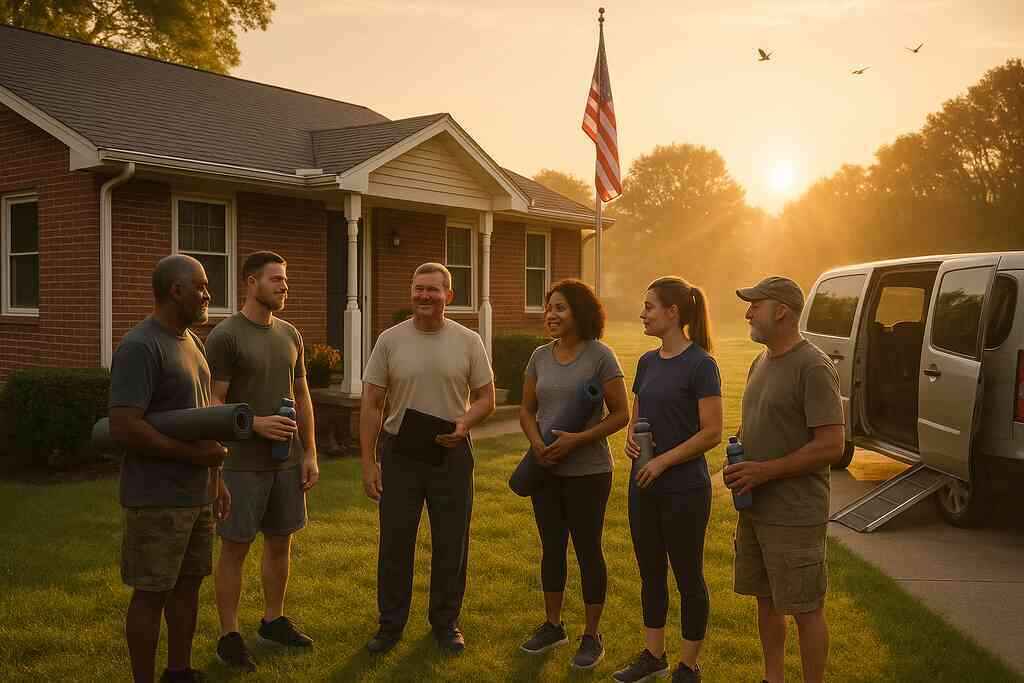
Alumni networks amplify those online resources with lived experience. Graduates form private social media groups to exchange job leads, ride-share schedules, and emergency check-ins. Quarterly retreats spotlight success stories, proving long-term sobriety is achievable. Guidance from mentors who once stood in the same boots resonates deeper than any brochure. Together, the directory and the alumni corps create an unbroken safety net that stretches well beyond Ohio’s borders.
Frequently Asked Questions
Question: What makes Top Sober House’s Ohio veteran sober living routines different from typical halfway houses for veterans?
Answer: Top Sober House designs every Ohio veteran sober living home around military-style structure, peer accountability, and trauma-informed care. Unlike generic halfway houses for veterans, our properties open each day with morning accountability meetings that mirror formation, enforce visible house rules, and rotate chore schedules to keep responsibility evenly shared. House managers-many of whom are veterans themselves-blend that structure with PTSD-informed quiet zones, predictable lighting, and rapid access to VA outpatient services. This hybrid of discipline and compassion dramatically lowers relapse risk and gives residents of sober living homes concrete tools for long-term sobriety.
Question: How do the morning accountability meetings and 12-step mornings in sober housing reinforce peer support for veterans in recovery?
Answer: Morning accountability meetings set the tone for daily structure in sober homes for veterans by replacing isolation with mission-focused camaraderie. Each resident reports on sleep, mood, and goals, while peers volunteer to be accountability partners if someone flags a concern. Immediately afterward, 12-step readings foster spiritual alignment and rotate leadership so everyone gains confidence sharing recovery victories and struggles. This consistent rhythm weaves Ohio veteran sober living routines with the proven language of Alcoholics Anonymous, creating a supportive environment where peer feedback, honesty, and shared victories become the first line of defense against alcohol abuse.
Question: In Reviewing Top Sober House Daily Routines for Ohio Veterans, you highlight PTSD-informed sober living. How do the house rules and environment specifically protect mental health for Ohio vets?
Answer: PTSD-informed sober living starts with physical design-quiet rooms, blackout curtains, and calm common areas that lower hyper-vigilance. House rules for veteran residences also require trauma-aware staff training so managers can spot flashbacks or dissociation early and intervene without judgment. Optional after-action style debrief groups let residents process stress in the same straightforward language they used in uniform. Together, these elements create a safe environment for former service members, allowing them to focus on substance use disorder recovery without relentless triggers or feelings of shame.
Question: How do drug testing protocols and chore schedules in sober homes build trust and safety while residents work toward long-term sobriety?
Answer: Randomized, algorithm-driven drug testing protocols reinforce personal accountability by applying the same rules to everyone-there’s no stigma or favoritism. Rapid results let staff address problems before they escalate, and negative tests earn positive reinforcement that keeps motivation high. Meanwhile, the chore schedule in sober houses rotates weekly, teaching life skills and time management while keeping the property spotless. Veterans initial completed duties, and peers verify them, turning external tasks into internal integrity. The combined routine produces clear metrics-clean tests and clean countertops that visually confirm progress toward long-term sobriety planning.
Question: What resources does Top Sober House provide for employment assistance and post-house planning so residents can transition to stable housing after rehab centers?
Answer: Top Sober House integrates employment assistance directly into the midday schedule. Workshops on résumé writing, LinkedIn branding, and interview etiquette translate combat leadership into civilian value. We invite local employers to conduct mock interviews and provide real-time feedback. Simultaneously, residents open freedom accounts that automate savings for first-month rent deposits. Using our national sober living directory, veterans locate sober house near you options or alcohol-free apartments close to VA clinics well before graduation. Alumni mentorship, ride-share groups, and quarterly retreats keep that momentum alive, ensuring no veteran faces civilian life or recovery alone.