Sana Lake Recovery Center
Quick Facts
About This Facility
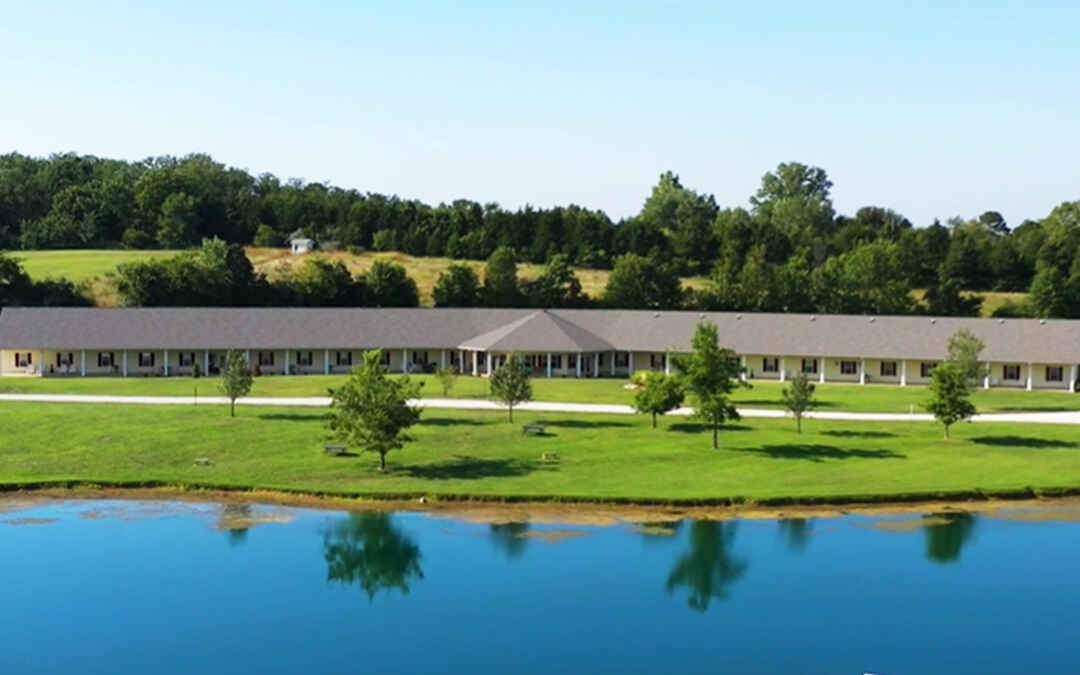
Sana Lake Recovery Center helps people move toward lasting recovery by building connection, strengthening personal growth, and offering consistent guidance to break addictive patterns. Their programs include detox, residential care, day treatment, intensive outpatient, and outpatient services. The 55-acre campus provides clinical support and clear routines that help clients feel better as they regain stability, then stay better by practicing skills that strengthen long-term progress.Transform Responses to Stress with Coping SkillsSana Lake begins treatment by helping clients regain physical stability, then addresses the emotional and behavioral patterns that contribute to substance use. Therapies such as cognitive behavioral therapy (CBT), dialectical behavior therapy (DBT), and eye movement desensitization and reprocessing (EMDR) help people understand triggers, improve emotional regulation, and work through past experiences. Activities like meditation and acupuncture offer additional ways to reduce stress and practice daily habits that reinforce change.Find Peace & Healing in a Lakeside OasisSana Lake’s Dittmer campus offers comfortable lodging, chef-prepared meals, and calming indoor and outdoor spaces that support reflection and movement. Clients engage in energizing wellness activities like fitness workouts or guided yoga and unwind along wooded trails and lakeside paths. Weekly peer support groups, family-style meals, and recreational opportunities help cultivate a warm, community-centered environment where members build supportive connections that strengthen their recovery experience.Stay Connected with Ongoing SupportSana Lake extends support through their Members for Life program, which offers recovery coaching, counseling, medication management, and connections to sober-living homes. Clients benefit from structured check-ins, alumni events, and continuing guidance as they adjust to life outside treatment. This ongoing framework helps people maintain routines, rebuild relationships, and stay grounded in recovery, giving them a dependable place to return for support whenever they need it.
Services Offered
Levels of Care
Treatment Specialties
Therapy Approaches
Amenities & Features
Insurance & Payment
Payment Options
Insurance Accepted
Accreditations & Certifications
Who We Serve
Age Groups
Special Populations
Photo Gallery