The Women’s Home Women’s Recovery Home
Quick Facts
About This Facility
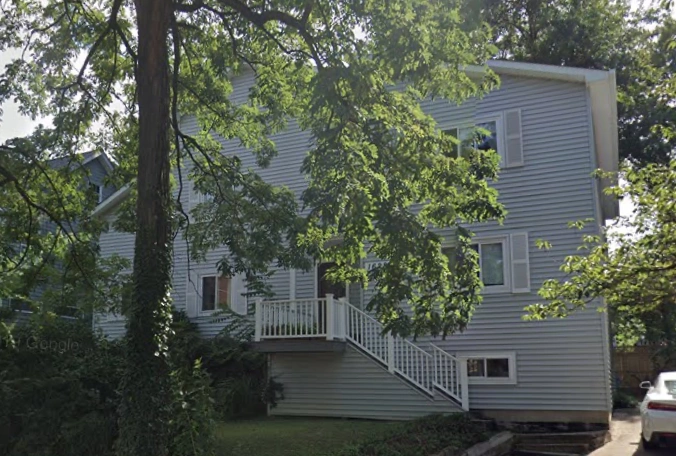
The Women's Home provides a recovery home in Arlington, VA, designed to support women in recovery from substance use disorders. This recovery home fosters a safe and structured environment where residents can build a solid foundation for long-term recovery from drug and alcohol addiction. Often referred to as sober living homes or recovery residences, these homes serve as a transitional step for individuals moving from treatment programs to independent living. At The Women's Home, residents gain access to: - A secure and sober living atmosphere. - Encouragement and peer support from a like-minded recovery community. - Daily routines that instill discipline and accountability. - Local resources in Arlington, including counseling services and job support. Located in Arlington, VA, this vibrant recovery hub offers an array of women-focused support and recovery meetings. The Women's Home is committed to helping residents thrive in a positive and structured setting while pursuing lasting sobriety. For more information about The Women's Home and our supportive recovery environment, please reach out to us. The Sober Living Home is a secure and structured environment for women in early recovery. Through the individual counselling and group sessions residents learn to identify risks to recovery. They develop and establish behaviours necessary for maintaining long term sobriety. Each resident works on her own individualized treatment plan. In addition to staffed sessions, residents are required to attend a minimum of five AA or NA meetings a week and to log daily recovery activities. A resident manager provides additional support and security. The counsellors and Board of Directors are supported by and Executive Director. The Home monitors the activities of residents through approval for offsite passes, curfews and signing in and out of the facility. The Home requires total abstinence and emphasizes personal responsibility as the foundation of sober living. Random urine screens are conducted to help insure abstinence is maintained. Residents stay a minimum of three months and a maximum of one year.
Services Offered
Photo Gallery