What Defines Top Sober House Success in Louisiana 2025
December 13, 2025
Bayou Beginnings: Redefining Recovery in Louisiana’s Sober Living Landscape
From Gulf Coast Challenges to Safe Housing Solutions
The bayou sobriety journey starts with acknowledging the unique Gulf Coast sober environment that shapes daily life. Hurricanes, coastal industry shifts, and tight-knit Cajun traditions all influence recovery pathways. Residents seeking a seamless transition from rehab centers often discover that ordinary rentals cannot provide a substance-free community living standard. By contrast, the Louisiana sober house directory 2025 points newcomers toward properties designed for safe housing for early recovery. Each top sober house in Louisiana location follows clear sober living house rules in Louisiana, creating stability amid coastal unpredictability.
Many New Orleans halfway houses have expanded trauma informed sober living homes to address storm-related PTSD. Baton Rouge sober homes, meanwhile, integrate vocational training in sober homes so residents can rebuild livelihoods lost during economic downturns. This dual focus on safety and opportunity underpins Louisiana’s sober living success. Faith based sober housing options, common in rural parishes, blend cultural spirituality with evidence based sober living program principles. Together these approaches honor local heritage while promoting long term sobriety milestones.
The Role of Southern Hospitality in Building a Supportive Environment
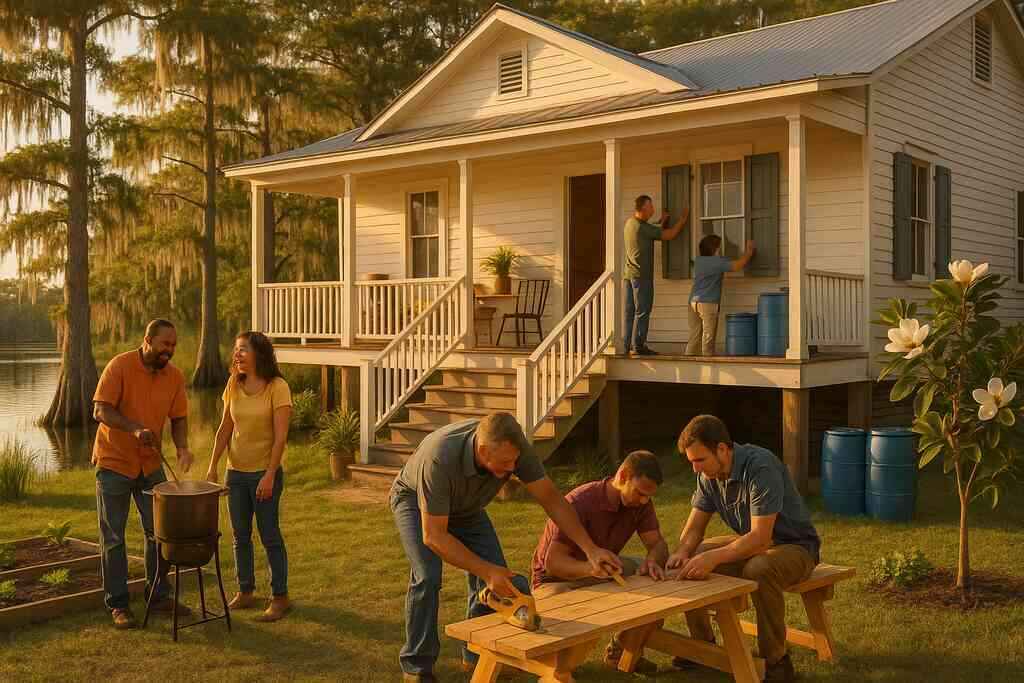
Southern hospitality supportive environment traditions translate into genuine peer support networks that Louisiana residents can trust. Cajun community recovery support shows up in nightly communal meals, shared transportation to 12 step meetings in New Orleans, and weekend service projects. House managers encourage residents to greet newcomers with warmth, counteracting the loneliness that often shadows substance use disorder. Such culture fosters resident empowerment strategies and reinforces the sober living accountability structure essential for growth.
Licensed house manager in Louisiana residences often invites alumni for gumbo nights, subtly launching alumni mentorship programs for sobriety. Storytelling around picnic tables transforms lived experience into guidance, turning setbacks into teachable moments. The tradition of “lagniappe”-giving a little extra-appears when residents tutor one another in GED courses or trade job-search tips. This generosity keeps relapse triggers at bay, proving that culturally competent addiction care can feel like family rather than formal treatment.
Mapping Louisiana’s Opioid Crisis Hotspots and Sober Living Needs
Opioid crisis recovery in Louisiana varies by parish, with overdose clusters shifting from urban hubs to river parishes. Data-driven tools now overlay overdose rates with available sober housing, revealing service gaps along refinery corridors. Top Sober House analysts use sober living success metrics to prioritize new properties where need outpaces beds. Outpatient partnerships in Baton Rouge then coordinate seamless referral pathways, ensuring no individual faces wait-list limbo during critical detox windows.
Holistic sober living services matter most in rural bayous where resources remain scarce. Mobile health units deliver medication-assisted treatment, while LSU student sober housing resources offer peer-led wellness workshops on campus. Hurricane resilience sober homes elevate generators, stockpile water, and formalize evacuation plans to maintain continuity of care. These strategic moves create a balanced framework where evidence based metrics and grassroots compassion intersect, safeguarding Louisiana’s march toward enduring sobriety.
 Pillars of Success Inside Top Sober Houses From New Orleans to Baton Rouge
 Pillars of Success Inside Top Sober Houses From New Orleans to Baton Rouge
Trauma Informed and Faith Based Options Meeting Diverse Resident Needs
Louisiana’s bayou sobriety journey sits at the crossroads of trauma informed practice and deep-rooted spirituality. Many residents of sober living homes carry hurricane memories that can reignite substance use disorder when ignored. Top sober houses counter this risk by blending evidence-based counseling with Cajun faith traditions, creating a balanced sober environment that honors heritage while addressing pain. Trained counselors teach grounding techniques, and local pastors offer optional prayer circles, giving every resident an individualized safe place to process grief. This dual model proves that culturally competent addiction care can be profoundly inclusive without sacrificing clinical rigor.
Peer support grows stronger when trauma care and faith intersect in daily routine. Morning meditations replace chaotic flashbacks with calm, while evening devotionals reinforce hope for long-term sobriety. Residents who prefer secular support groups can join cognitive-behavioral classes instead, ensuring no one feels pressured to conform. House managers track each participant’s recovery journey, adjusting treatment programs to match spiritual comfort levels. Such flexibility keeps early recovery momentum high and relapse rates low across Baton Rouge sober homes and New Orleans halfway houses.
House Rules Accountability Structures and Licensed House Managers
A clear accountability structure separates a top sober house from an average group home. Upon arrival, newcomers review written house rules that outline curfews, chore rotations, and mandatory support group attendance. Rules may feel strict, yet they create the safe environment every resident craves in inpatient treatment. Consistent expectations remove ambiguity, so residents can focus on healing rather than policing one another. This stability mirrors the supportive environment found in well-run residential treatment centers, bridging a crucial gap in the care continuum.
Licensed house managers anchor these structures with compassionate enforcement. They conduct random drug screenings, mediate conflicts, and model sober living house rules in Louisiana through their own behavior. Because managers often celebrate milestones alongside residents, accountability never feels punitive. Instead, it reinforces community pride and personal ownership of sobriety goals. Strong leadership, paired with transparent policies, forms the backbone of sustainable sober living near both urban and rural parishes.
Integrating 12 Step Meetings and Outpatient Partnerships
Recovery thrives when peer support extends beyond the front porch. Top sober homes schedule transportation to Alcoholics Anonymous and Narcotics Anonymous gatherings several nights each week. Regular 12-step meetings build external accountability, allowing residents to rehearse honesty and humility in broader circles. Meanwhile, outpatient program clinicians share progress notes with house managers, ensuring therapy goals align with household expectations. Integrated care reduces conflicting advice that can derail residents in early recovery.
Partnerships with local hospitals also streamline medication management for people using FDA-approved aids to combat alcohol addiction or drug abuse cravings. Residents attend therapy sessions during the day, then return to a sober housing setting that reinforces coping tools at night. This seamless transition between clinical offices and living rooms makes relapse prevention strategies second nature. When outpatient counselors and house staff communicate effectively, residents navigate triggers with confidence instead of secrecy.
Vocational Training and LSU Student Resources Empowerment Strategies
Economic stability strongly predicts long-term sobriety, so vocational training is embedded in the sober living program blueprint. Baton Rouge sober homes collaborate with construction unions, hospitality employers, and shipyard apprenticeships to place residents in paid internships. Learning marketable skills restores financial dignity and reduces the boredom that often tempts alcohol abuse. Weekly résumé workshops demonstrate how to explain gaps caused by treatment without shame, turning perceived liabilities into testimonies of resilience.
Louisiana State University extends additional resources through its student sober housing options. Tutors volunteer to help residents earn GED credentials, while career services hosts mock interviews on campus. A “scholarship for service” initiative even offsets class fees for those who log community-service hours. These empowerment strategies illustrate that a top sober house near you should nurture both wallet and spirit. When residents envision a purpose-filled future, cravings lose their power.
Evidence Based Metrics and Alumni Mentorship Networks
Data drives improvement across every top sober house in the state of Louisiana. Staff track outcomes such as employment rates, 90-day abstinence, and successful transition to independent apartments. Results are compared against national sober living success metrics to pinpoint areas needing refinement. This commitment to measurement separates professional sober homes from loosely organized group homes that rely on intuition alone. Transparency fosters trust, showing residents that management values progress over mere occupancy.
Numbers, however, tell only part of the story; alumni voices bring the data to life. Graduates return weekly to mentor new arrivals, embodying the promise of sustained recovery. Their lived experience bridges the empathy gap that even the most dedicated clinician can face. Alumni also help collect feedback on programming, suggesting tweaks that make the sober living house model more user-friendly. The cycle of giving back strengthens identity, proving that service is both a relapse shield and a leadership incubator.
One convenient way to explore such high-performing properties is by using the Find sober living homes near me tool offered by Top Sober House. This platform highlights facilities with proven metrics and vibrant alumni networks, empowering seekers to choose wisely. By combining quantitative evidence with community testimony, Louisiana continues to raise the bar for sober housing excellence.
Future Frontiers Sustaining Long Term Sobriety and Cajun Community Resilience
Hurricane Resilience Planning for Sober Living Homes
Seasonal storms can overwhelm early recovery unless sober housing prepares far in advance. Top sober houses build elevated foundations, install generators, and stage emergency supplies that last several weeks. Licensed house managers review evacuation maps with residents every quarter, reinforcing muscle memory under calm conditions. Chore rotations assign roles like fuel management or first aid, turning anxiety into actionable responsibility. This proactive structure delivers a safe environment where individuals can trust that physical security matches emotional stability.
Hurricane resilience sober homes also coordinate with outpatient programs to avoid medication interruptions during travel. Electronic health records are stored in cloud systems, so prescriptions get refilled from any parish pharmacy. Peer leaders keep hotline numbers handy, ensuring detox placement if someone encounters intense cravings mid-evacuation. Such coordination exemplifies the sober living accountability structure essential for continuity of care. Ultimately, preparedness transforms regional risk into a resilience workshop that strengthens long-term sobriety milestones.
Holistic Services and Cultural Competence in the Bayou
Bayou traditions value food, music, and storytelling, so holistic sober living services weave these cultural threads into recovery. Morning mindfulness might include Cajun fiddle tunes, guiding deep breathing through familiar rhythms. Nutrition workshops adapt classic gumbo recipes, replacing heavy roux with heart-healthy alternatives that support brain chemistry. Residents see that sober environments need not abandon regional flavor to achieve wellness benchmarks. This culturally competent addiction care dismantles stigma because it honors identity while challenging harmful habits.
Faith based sober housing options remain available, yet participation stays voluntary to respect religious diversity. Residents seeking secular guidance attend cognitive behavioral groups that decode thought patterns driving alcohol abuse. Healers from tribal communities occasionally visit, sharing herbal wisdom that complements evidence based counseling. Integrating multiple knowledge systems reinforces the safe place ethos central to every top sober house Louisiana offers. When residents feel seen rather than analyzed, peer support deepens and relapse risk declines.
Tracking Success Milestones toward Long Term Sobriety
Data collection once happened quietly, but today residents participate actively in mapping their progress. Weekly check-ins chart sleep quality, employment status, and craving intensity, producing personalized graphs on secure tablets. Licensed house managers translate numbers into practical goals, such as scheduling extra therapy when stress scores spike. Transparency fosters ownership, turning abstract sober living success metrics into daily routine adjustments. Residents learn that math can measure hope, not just punishment.
Top sober houses publish anonymized outcomes on community boards, encouraging healthy competition among sister properties. External auditors from academic partners validate methods, ensuring evidence based sober living program standards stay rigorous. When a site exceeds national averages, leadership studies its playbook and replicates best practices statewide. If numbers dip, staff invite alumni mentors for supportive troubleshooting rather than punitive scolding. The Top Sober House national resource hub publishes comparative dashboards, inspiring facilities nationwide to adopt Louisiana innovations.
Scaling Peer Support Networks Across Louisiana Parishes
Sober living thrives when friendship extends beyond one front porch. Alumni mentorship programs for sobriety organize parish-wide socials, bringing newcomers face to face with long term success. Transportation cooperatives share vans so rural residents can reach meetings without prohibitive fuel costs. Digital forums complement gatherings, offering late night check-ins when hurricane rains isolate households. These layers create a lattice of peer support networks that Louisiana families can lean on.
Urban hubs also coordinate ride shares to AA meetings in the New Orleans region, exposing residents to broader recovery voices. House managers moderate chat groups for NA meetings support on the Gulf Coast, keeping information current and compassionate. Partnerships with community colleges offer classrooms for weekend service projects, fortifying purpose after inpatient treatment. By linking parishes through service, technology, and fellowship, Louisiana safeguards the long-term sobriety journey for coming generations.
Frequently Asked Questions
 Frequently Asked Questions
Question: How does Top Sober House track Louisiana sober living success metrics to prove that the sober homes listed really work?
Answer: Every top sober house in Louisiana property in our directory submits quarterly data on 90-day abstinence rates, employment status, and seamless transition outcomes after residents leave. Our analysts compare those numbers against national sober living success metrics and publish anonymous dashboards so you can see real results, not marketing claims. Facilities that fall below benchmarks receive on-site coaching from our licensed house manager network to improve house rules, peer support, and sober living accountability structure. That transparent, evidence based sober living program approach shows why families and clinicians trust us to recommend only the best sober homes in the Gulf Coast sober environment.
Question: What unique elements of the Southern hospitality supportive environment make Baton Rouge sober homes and New Orleans halfway houses on Top Sober House stand out?
Answer: Cajun community recovery support is built into the daily routine. Residents share nightly meals (often gumbo or jambalaya), volunteer in weekend service projects, and ride together to 12 step meetings in New Orleans. Licensed house managers invite alumni for story-sharing lagniappe nights that transform lived experience into guidance. This warm, family-style culture reduces loneliness, boosts peer accountability, and strengthens long term sobriety milestones-exactly the qualities we screen for before any property is labeled a top sober house near you.
Question: In the blog What Defines Top Sober House Success in Louisiana 2025, hurricane resilience sober homes were highlighted. How does Top Sober House verify that properties meet these standards?
Answer: Our field inspectors use a 40-point checklist that covers elevated foundations, generator capacity, water reserves, evacuation plans, and secure medication storage. We insist that each sober living house in Louisiana stage quarterly drills so residents know their roles if a storm hits. Only locations that pass every item earn the hurricane resilience badge on our platform, guaranteeing a safe environment even when Gulf Coast weather turns dangerous.
Question: Does Top Sober House list faith based sober housing options and trauma informed sober living homes for people healing from the opioid crisis in Louisiana?
Answer: Yes. Our directory tags each listing with detailed filters-faith based, trauma informed, medication-assisted treatment friendly, and more-so you can match your personal recovery journey with the right supportive environment. Many New Orleans halfway houses combine optional prayer circles with evidence based counseling, while Baton Rouge sober homes integrate trauma specialists to address hurricane-related PTSD. You choose the mix of spirituality and clinical care that feels safest for you.
Question: How can LSU students and other young adults in early recovery quickly locate a safe place through the Top Sober House directory?
Answer: Simply enter your ZIP code or select LSU student sober housing resources in our Find sober living homes near me tool. The platform instantly shows properties within biking distance of campus, outlines house rules, lists rent ranges, and highlights vocational training in sober homes such as GED tutoring or internship placement. With one click you can schedule a virtual tour, talk to the licensed house manager in Louisiana, and reserve a bed-helping you maintain substance free community living while pursuing your education.