What Does Optimal Sober Housing Mean at Top Sober House FL
January 27, 2026
Opening The Door To Optimal Sober Housing On The Florida Coast
Florida sunshine recovery mindset for early recovery momentum
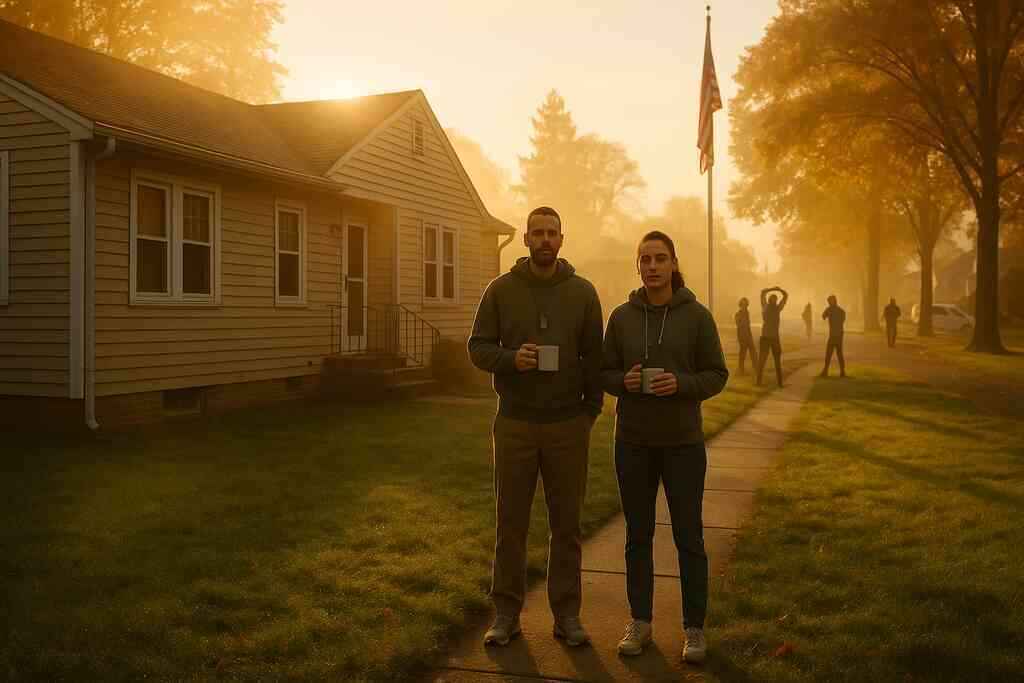
Warm Gulf breezes and bright skies encourage residents to lift their eyes toward possibility rather than past mistakes. This “Florida sunshine recovery mindset” fuels early recovery momentum by pairing natural optimism with evidence-based support. Newcomers arrive wary, yet the vibrant coastal environment quickly reminds them that transformation can feel joyful, not punishing. Daily walks, sunrise meditations, and ocean-view reflections reinforce the idea that sobriety is about gaining life, not losing fun. To harness that optimism, the Top Sober House Florida overview showcases nearby sober homes that intentionally weave beachside serenity into structured routines, giving each resident tangible reasons to stay motivated.
Early recovery often feels chaotic, so predictable sunshine becomes a soothing constant when cravings spike. Staff encourage residents to schedule outdoor activities at times when urges usually surface. Because gatherings remain alcohol-free, individuals practice socializing without drinks while basking in comforting warmth. Over time, the mind begins to associate clear skies with clear thinking, reinforcing new neural pathways that reject alcohol addiction triggers. This sensory pairing operates quietly yet powerfully, strengthening relapse prevention before clinical skills even activate.
How Top Sober House creates a safe place within supportive transition housing in Florida
Optimal sober housing standards start with emotional and physical safety layered into every corner of a residence. Each house follows resident-driven house rules that cover curfews, visitor policies, and respectful communication, eliminating ambiguity that might otherwise breed conflict. A trained house manager oversees adherence using trauma-informed supervision rather than punitive control, ensuring that accountability never compromises dignity. Such a structure mirrors best practices found in certified sober living options in Florida, which promote predictable order as fertile ground for personal growth.
Peer-led accountability structures thrive when transparency guides operations. Weekly meetings invite residents to voice concerns, propose improvements, and elect rotating chore captains. This participatory approach cultivates ownership and empowers everyone to safeguard the sober living environment. Furthermore, integrated 12-step mentorship and outpatient therapy synergy ensures the home never functions in isolation. Clinicians coordinate with house leadership so that coping tools discussed in sessions gain real-world rehearsal inside supportive transition housing in Florida, accelerating skill mastery.
The link between drug free communal living and sustainable long term sobriety
Research continually affirms that drug-free communal living extends abstinence far beyond initial treatment episodes. Shared kitchens, recovery-focused leisure, and nightly reflections foster a substance use disorder peer network where residents learn from each other’s setbacks and victories. Living among people who value sobriety makes it harder to rationalize slip-ups, yet easier to request immediate support when cravings emerge. This constant feedback loop embodies an evidence-based sober environment proven to elevate long-term sobriety pathways.
Sober group homes also bridge the gap between clinical care and full community reintegration. Residents practice employment readiness, conflict resolution, and financial management under gentle supervision, reducing post-move-out relapse risk. Success is measured against indicators of lasting sobriety success, including sustained abstinence, stable income, and healthy social networks. By aligning accountability with autonomy, Top Sober House helps residents cultivate resilience rather than dependence on external oversight, ensuring that drug-free communal living becomes a lifelong standard, not a temporary condition.
Pillars Of An Evidence Based Sober Environment
Peer led accountability structure with resident driven house rules
Residents flourish when a peer led accountability structure shapes daily life, because ownership breeds genuine commitment. Transparent, resident-driven house rules clarify expectations, minimize conflict, and strengthen the sober living environment. Each newcomer immediately joins a house committee that reviews curfews, visitor policies, and communal chores, ensuring everyone’s voice matters. This democratic process reinforces autonomy while still honoring Florida sober living compliance guidelines. Consequently, individuals feel protected rather than policed, which elevates motivation during early recovery.
Weekly governance circles demonstrate how accountability and autonomy can coexist without tension. Participants rotate leadership roles, record minutes, and vote on amendments, practicing civic responsibility inside safe and inclusive group homes. These activities mirror respected peer led governance models in recovery housing, proving that structure can remain empowering, not punitive. Over time, residents internalize the shared mission, making relapse less tempting and community stewardship second nature. Such peer dynamics create long-term sobriety pathways that endure beyond formal programming.
Integrated 12 step mentorship and outpatient therapy synergy
Effective sober housing never relies on a single modality, so Top Sober House blends integrated 12-step mentorship with coordinated outpatient therapy. Sponsorship meetings inside the home make principles of sobriety maintenance practical, relatable, and immediate. Simultaneously, licensed clinicians visit to align coping tools with each resident’s treatment plan, ensuring post-rehab continuity of care. This dual approach validates both clinical science and time-tested community wisdom. As a result, individuals gain layered protection against relapse triggers.
Moreover, residents attend outside 12-step meetings together, then debrief privately, transforming theory into lived experience. Counselors incorporate those reflections into individualized relapse prevention plans, creating a seamless feedback loop between therapy and peer support. Those seeking specialized programs can explore certified sober living options in Florida that partner with intensive outpatient providers for added depth. Because every service aligns, residents never feel pulled in conflicting directions, allowing recovery momentum to build steadily.
House manager leadership training using trauma informed supervision
A skilled house manager anchors stability, yet the role requires more than enforcing policies. Top Sober House trains leaders in trauma-informed supervision, recognizing that many residents carry painful histories alongside alcohol addiction. Managers learn to frame corrections as collaborative problem solving rather than punishment, maintaining emotional safety while upholding house rules. This balance fosters trust and reduces defensive reactions that often precede relapse.
Training modules cover motivational interviewing, cultural humility, and crisis de-escalation, equipping managers to navigate diverse personalities. Leaders also model sober living program professionalism by arriving early, communicating transparently, and celebrating small victories. Prospective residents or aspiring managers can browse the nearby recovery housing search tool to observe how leadership styles influence community morale. Ultimately, trauma-informed managers convert challenges into teachable moments, reinforcing an evidence-based sober environment grounded in respect.
Holistic relapse prevention approach through alcohol free recreational activities
Healing expands when residents discover joy that does not involve substances, so Top Sober House curates alcohol-free recreational activities along Florida’s coastline. Sunrise yoga, paddleboarding, and volunteer beach cleanups harness the Florida sunshine recovery mindset, pairing physical movement with peer support. Engaging all five senses helps reset reward pathways damaged by drug abuse, making sobriety feel enriching rather than restrictive.
Furthermore, structured outings embed practical relapse prevention techniques. Before each excursion, participants rehearse coping statements for unexpected triggers, then process successes afterward. Data show that combining leisure with skill rehearsal accelerates habit formation, boosting indicators of lasting sobriety success. By linking fun, mindfulness, and accountability, the holistic model demonstrates that optimal sober housing standards extend far beyond four walls and chore charts.
 Designing Wellness Focused Living Spaces
 Designing Wellness Focused Living Spaces
Gender responsive halfway housing blended with a coastal sober lifestyle
Gender responsive halfway housing recognizes that recovery needs differ for men, women, and non-binary residents. Facilities use separate wings, ensuring privacy without isolation. Design teams add serene coastal colors, soft lighting, and ergonomic furniture. These elements mirror nearby beaches, reinforcing the Florida sunshine recovery mindset even indoors. Blending comfort with structure helps residents anchor optimal sober housing standards in daily life.
A coastal sober lifestyle offers outdoor routines that gently challenge comfort zones. Sunrise walks, mixed-gender volleyball, and respectful beach bonfires foster healthy social skills. Curfews remain clear, yet house managers encourage creative expression through art evenings and meditation decks. Such programming answers Florida sober living compliance while honoring individual autonomy. Residents quickly feel valued, not confined, which boosts confidence during early recovery momentum.
Emotional safety and inclusivity inside drug free group homes
Emotional safety begins with resident-driven house rules posted in every common area. Clear expectations reduce uncertainty and preempt conflict among newcomers. Trauma-informed sober living practices ensure corrections feel instructional, never shaming. Staff validate feelings, reminding everyone that vulnerability equals courage. This respectful tone transforms drug free group homes into learning laboratories rather than punitive dormitories.
Inclusivity extends beyond language; décor displays diverse cultural symbols and recovery milestones in multiple languages. Nightly check-ins invite discussion about microaggressions, cravings, or triumphs. Peer support circles rotate facilitators, empowering quieter voices to lead. These rituals nurture a substance use disorder peer network that balances accountability and autonomy. Over time, safe and inclusive group homes cultivate belonging that outlasts formal programming.
Structured daily recovery routine supporting post rehab continuity of care
An intentional schedule bridges residential treatment and independent living. Mornings start with guided meditation followed by communal breakfast planning. Residents then review job search goals or outpatient program assignments. Afternoon slots cover integrated 12-step mentorship workshops or financial literacy lessons. Evenings close with gratitude journaling and sober environment reflections.
Consistency builds neural resilience against impulsive urges. House manager leadership training ensures routines remain firm yet adaptable during crises. Menus accommodate health conditions, supporting holistic relapse prevention approach objectives. Coordination with therapists guarantees post rehab continuity of care remains seamless. Gradually, residents internalize structure, turning external supervision into intrinsic discipline.
Sober housing affordability factors and equitable access to care
Cost transparency starts during initial calls, so families avoid hidden fees that sabotage trust. Sliding-scale rent models account for employment gaps often seen after inpatient treatment. Community scholarships unlock access for marginalized applicants pursuing long-term sobriety pathways. Bulk grocery planning and shared transport further reduce expenses without compromising a supportive environment.
When questions arise, individuals can readily contact the Top Sober House FL team for personalized guidance. Staff outline recovery-friendly housing guidelines, payment plans, and local grant options. They also highlight public resources that offset counseling or medication costs. By championing sober housing affordability factors, Top Sober House aligns wellness with equity. This commitment empowers residents to invest energy in healing, not financial panic.
Community Reintegration And Long Term Success Metrics
Substance use disorder peer network balancing accountability and autonomy
Top Sober House FL believes reintegration begins with healthy relationships. Therefore, every residence cultivates a substance use disorder peer network rooted in honesty. Shared reflection circles encourage residents to voice victories and setbacks without judgment. This transparency creates immediate accountability, because secrets often fuel alcohol abuse relapse. Simultaneously, autonomy thrives through resident-driven house rules voted on weekly. Participants learn that democratic self-governance equals empowerment, not lax supervision. Such a balance exemplifies optimal sober housing standards while satisfying Florida sober living compliance guidelines.
Peer mentors reinforce boundaries during high-risk times like paydays or family visits. They practice motivational interviewing, a tool introduced during house manager leadership training. Quick check-ins offer trauma-informed feedback rather than shaming lectures. Residents notice triggers earlier, then request support before urges escalate. Weekend alcohol-free recreational activities provide healthy dopamine while modelling accountability and autonomy balance. Over months, the peer-led accountability structure matures into a lifelong support map. Graduates carry this network into community support groups, strengthening long-term sobriety pathways.
Employment readiness and life skills within recovery friendly housing guidelines
Sustained recovery demands more than abstinence; it requires financial and social stability. Top Sober House integrates employment readiness workshops directly into the structured daily recovery routine. Career coaches help residents craft résumés, practice interviews, and negotiate fair wages. These sessions occur after morning mindfulness, aligning with recovery-friendly housing guidelines that honor holistic growth. Real-world simulations reduce anxiety that might otherwise reactivate addiction disease model patterns. Residents track progress on communal boards, reinforcing the evidence-based sober environment’s commitment to transparency.
Life skills extend beyond job search strategies. Budgeting classes teach clients to prioritize rent, health, and savings before entertainment. Cooking lessons transform grocery stipends into nutritious meals supporting post-rehab continuity of care. Conflict resolution workshops use role-play drawn from everyday roommate disagreements. By practicing these skills within safe and inclusive group homes, residents gain confidence. Confidence becomes a relapse buffer when they step into independent apartments after graduation. Employers report that graduates display reliability uncommon among people exiting residential treatment centers.
Tracking sober living success metrics that validate the Top Sober House FL community model
Data drives quality improvement at Top Sober House FL. Staff collect baseline mental health, employment, and legal status upon entry. Monthly reviews chart changes, creating personalized dashboards visible to each resident. Milestones include ninety consecutive sober days, fulltime work, and reconciled family relationships. These metrics align with state requirements for FL sober living certification and national best practices. When thresholds are reached, ceremonies celebrate progress and normalize goal tracking.
External audits compare house outcomes against regional indicators of lasting sobriety success. Findings show markedly lower relapse rates than traditional halfway houses lacking formal measurement. Stakeholders appreciate evidence because it translates anecdotal recovery stories into measurable value. Continuous feedback loops encourage timely adjustments to house programming, ensuring an agile sober environment. Ultimately, transparent data validates the Top Sober House FL community model and attracts supportive grant funding. Prospective residents gain assurance that their effort will be recorded, acknowledged, and celebrated.
Charting Your Pathway To Optimal Sober Housing Near You
 Charting Your Pathway To Optimal Sober Housing Near You
Leveraging the Top Sober House directory for evidence based choices
Finding the right fit begins with a thoughtful search, not a frantic scramble. The Top Sober House directory lets users filter by region, program style, and recovery-friendly housing guidelines, ensuring each option aligns with documented best practices. Ratings highlight peer-led accountability structure strength, trauma-informed supervision quality, and synergy between outpatient therapy and housing. Because all listings follow uniform data standards, comparisons feel fair rather than confusing. Users quickly see which sober living houses embrace integrated 12-step mentorship and robust relapse prevention curricula.
Next, savvy seekers verify that their shortlisted residences meet FL sober living certification requirements. A quick glance at inspection badges, staff credentials, and resident-driven house rules reveals whether promises match reality. Readers wanting deeper insight can explore how peer dynamics in Florida sober houses shape daily accountability, adding human context to numerical ratings. Armed with these details, families reduce emotional stress and make financially sound investments in long-term sobriety pathways. The directory thus transforms abstract goals into concrete, confidence-inspiring action steps.
Aligning personal goals with safe and inclusive group homes
Optimal placement depends on more than geography; it hinges on individual aspirations. Some residents crave gender-responsive halfway housing near oceanfront job markets, while others prioritize quiet neighborhoods that support meditation practices. Top Sober House profiles outline each community’s culture, from holistic relapse prevention approach offerings to evening curfews that favor early recovery momentum. Prospective residents compare these features against their personal triggers, ensuring the chosen sober house near you reinforces strengths instead of testing vulnerabilities. This intentional match dramatically lowers relapse risk and accelerates emotional growth.
Once inside a safe and inclusive group home, the work continues. Participants collaborate on chore rotations, create vision boards, and join house meetings that fine-tune collective expectations. These activities nurture autonomy without sacrificing accountability, mirroring healthy adult life outside structured care. A supportive environment then amplifies therapeutic gains from outpatient sessions, because skills practiced in group therapy immediately receive real-world rehearsal. Over time, residents realize their daily routine now reflects self-written goals rather than imposed restrictions, reinforcing intrinsic motivation.
Maintaining the Florida sunshine recovery mindset beyond the sober living program
Graduation is a milestone, not a finish line. To keep momentum, alumni schedule weekly beach walks, gratitude journaling, and volunteer shifts that echo their early days of coastal sober lifestyle discovery. These rituals trigger positive sensory memories, instantly reconnecting minds with purpose whenever old cravings whisper. Many graduates also attend local support groups and find local AA support meetings, ensuring external accountability remains steady. The combination of nature, service, and community safeguards progress in subtle but powerful ways.
Continued growth also involves mentoring newcomers, either through online forums or on-site visits arranged by house managers. Sharing hard-won insights solidifies personal lessons while inspiring those still navigating early recovery. Alumni track wellness metrics-sleep quality, emotional regulation, and financial stability-to confirm the lifestyle remains balanced. When challenges arise, they revisit directory resources, exploring top sober homes in other states for fresh perspectives or specialized programming. This ongoing engagement proves that the Florida sunshine recovery mindset can flourish anywhere commitment and evidence-based tools intersect.
Frequently Asked Questions
Question: How does Top Sober House FL define optimal sober housing standards, and what makes them different from traditional halfway houses?
Answer: Optimal sober housing standards at Top Sober House FL weave together three essential elements-emotional safety, evidence-based structure, and community empowerment. All residences follow clear, resident-driven house rules, maintain a drug-free communal living policy, and operate under FL sober living certification requirements. Unlike many traditional halfway houses that simply offer a bed and curfew, our homes provide trauma-informed sober living supervision, onsite 12-step mentorship, and data-driven success metrics. The result is an evidence-based sober environment where residents progress from early recovery to long-term sobriety pathways with measurable gains in employment, mental health, and community reintegration.
Question: In the blog post What Does Optimal Sober Housing Mean at Top Sober House FL, you mention a Florida sunshine recovery mindset. How does this environment actually support a holistic relapse prevention approach?
Answer: The Florida sunshine recovery mindset is more than a pleasant slogan-it’s a clinical strategy that pairs coastal serenity with structured daily recovery routines. Warm weather allows daily sunrise meditations, alcohol-free recreational activities like paddleboarding, and outdoor peer support circles. These sensory-rich experiences help rewire reward pathways damaged by alcohol addiction, making sober fun the new normal. By blending sunlight, movement, and mindfulness, Top Sober House delivers a holistic relapse prevention approach that reduces cravings, boosts mood, and cements new coping skills learned in outpatient therapy.
Question: What role do resident-driven house rules and a peer-led accountability structure play in meeting Florida sober living compliance guidelines?
Answer: Florida sober living compliance emphasizes safety, transparency, and personal growth. Resident-driven house rules satisfy these guidelines by giving every occupant a voice in curfews, visitor policies, and chore rotations. A peer-led accountability structure then enforces those rules democratically, reducing power struggles and fostering genuine ownership of the sober living environment. Weekly governance meetings, rotating chore captains, and open-forum conflict resolution help residents practice responsibility while still enjoying the support of a substance use disorder peer network. State inspectors routinely note that this accountability and autonomy balance is a hallmark of the Top Sober House FL community model.
Question: How does Top Sober House ensure post-rehab continuity of care through the synergy between outpatient therapy and housing?
Answer: Every resident arrives with an individualized treatment plan from their inpatient treatment or outpatient program. Our house managers-trained through specialized leadership modules-coordinate directly with therapists to align coping skills, medication schedules, and 12-step milestones. Integrated 12-step mentorship occurs onsite, while transportation is provided to external therapy sessions, ensuring no gap in care. After each appointment, residents debrief in small groups so that clinical insights transform into practical strategies within the supportive transition housing in Florida. This seamless synergy between outpatient therapy and housing significantly lowers relapse rates and elevates our sober living success metrics.
Question: Are sober living homes at Top Sober House FL affordable, and what sober housing affordability factors should families consider?
Answer: Yes. We believe safe and inclusive group homes should be accessible to anyone seeking recovery. Top Sober House offers sliding-scale rent, community scholarships, and transparent fee structures so families can plan without hidden surprises. Shared grocery budgets, bundled utilities, and house-provided recreational equipment further reduce costs while upholding recovery-friendly housing guidelines. When you contact our admissions team, they’ll outline all sober housing affordability factors-including local grants and employer assistance programs-to ensure finances never block access to optimal sober housing standards.