What Top Sober House Defines as Optimal Living in Missouri
December 19, 2025
Gateway to Renewal in the Show Me State
Why Optimal Sober Living in Missouri Matters Beyond Detox
Detox alone does not guarantee freedom from alcohol addiction or drug abuse. Without a stable sober environment to follow treatment programs, brain chemistry and behavior patterns often revert to old survival instincts. Optimal sober living Missouri residences install layered relapse shields: curfews, chore schedules, random testing, and community meetings. These elements transform external control into internal discipline, allowing residents of sober living homes to own their progress. In that process, confidence rises and the craving cycle gradually loses its power.
Daily structure also addresses invisible wounds that inpatient treatment may overlook once clients are discharged. Purposeful chores, meal planning, and evening reflections fill the hours when urges tend to spike, especially in early recovery. House managers guide residents to set weekly intentions that include work searches, outpatient program attendance, and 12-step meetings. Respectful feedback loops turn potential conflict into teachable moments, strengthening resilience. Over time, stability grows deep roots, making relapse less tempting and personal growth more rewarding.
For newcomers curious about the mechanics of recovery housing, the overview on the sober living house model outlines how structures like peer governance and phased privileges originated. Understanding these foundations empowers Missourians to select homes that align with their values and goals. Knowledge removes uncertainty, enabling residents to commit fully to the next right step. As awareness expands, so does the belief that sustained change is truly possible.
Top Sober House Missouri Directory as Your Launchpad
Finding the right fit among countless halfway houses in Missouri can feel daunting, especially when decisions must be quick. The sober living listings in Missouri () streamline that search by filtering residences by city, budget, co-ed status, and specialized support. Each listing highlights house rules, peer-support frameworks, and access to local 12-step programs so families can compare options with clarity. Because photos and resident reviews appear side by side, users gain immediate insight into culture and daily expectations. Transparency saves time and lowers anxiety, letting recovery momentum continue uninterrupted.
After selecting a potential home, readers can expand their hunt through the search sober residences near you directory that covers every U.S. state. This broader lens proves useful when Missourians need a fresh start outside familiar neighborhoods or closer to specialized outpatient services. The ability to toggle between local and national results underscores Top Sober House’s role as both roadmap and compass. Armed with accurate data, applicants approach phone interviews prepared, focused, and ready to advocate for their needs.
From St Louis Arch to Ozark Trails the Landscape of Hope
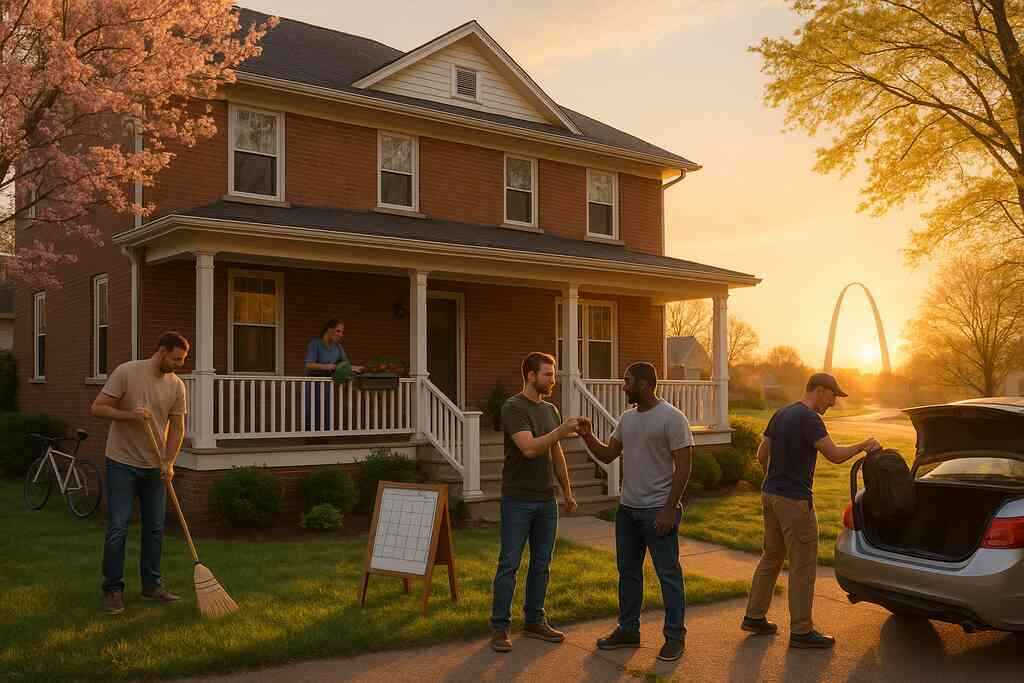
Optimal sober living in Missouri unfolds across distinct yet connected communities. St. Louis offers urban energy paired with abundant 12-step meeting access, while Kansas City balances artistic neighborhoods with strong employment markets. Columbia’s college-town resources support young adults pursuing education during recovery, and Springfield anchors the Ozarks with affordable sober housing options. Each region provides its own rhythm, but all emphasize the peer-supported recovery Missouri residents trust. Matching personal goals to local culture increases the odds of lasting engagement and, ultimately, long-term sobriety.
Border awareness further broadens opportunity. Residents in southern counties often commute to neighboring states for work, schooling, or medical care, making proximity to supportive homes across state lines important. The Arkansas border sober homes information helps families evaluate cross-border residences without sacrificing accountability standards. Whether someone chooses a loft near the Gateway Arch or a farmhouse near Mark Twain National Forest, the unifying element remains a secure sober environment rooted in proven principles. By recognizing and leveraging Missouri’s diverse landscape, individuals craft recovery paths as unique as their dreams.
Architecting the Framework of Optimal Living
House Rules and Structured Daily Routine as Relapse Shields
The backbone of optimal sober living in Missouri is a clearly written set of house rules. These guidelines transform every residence into a predictable sober environment where residents of sober living homes feel secure. Curfews, chore rotations, and visitor policies remove ambiguity that often fuels alcohol addiction or drug abuse. Because expectations are posted in common areas, accountability becomes communal rather than confrontational. Over time, these concise standards create surroundings where relapse prevention in Missouri sober homes feels natural instead of punitive. Residents quickly discover that consistent structure produces emotional breathing room for deeper healing. With daily chaos reduced, cravings lose momentum and confidence gains ground.
A structured daily routine expands those relapse shields even further. Mornings begin with quiet reflection, then move into group goal-setting that anchors the day with purpose. Afternoon job searches, outpatient sessions, or volunteer shifts fill hours that once invited risky impulses. Evenings close with gratitude circles that re-center the house on shared victories. This rhythm helps newcomers practice self-leadership in a safe place before reentering unpredictable communities. Over weeks, disciplined repetition rewires the brain’s stress response, making long-term sobriety more attainable. Residents finish each day tired but proud, having replaced survival habits with constructive rituals.
Peer Supported Recovery Missouri Style Front Porch Accountability
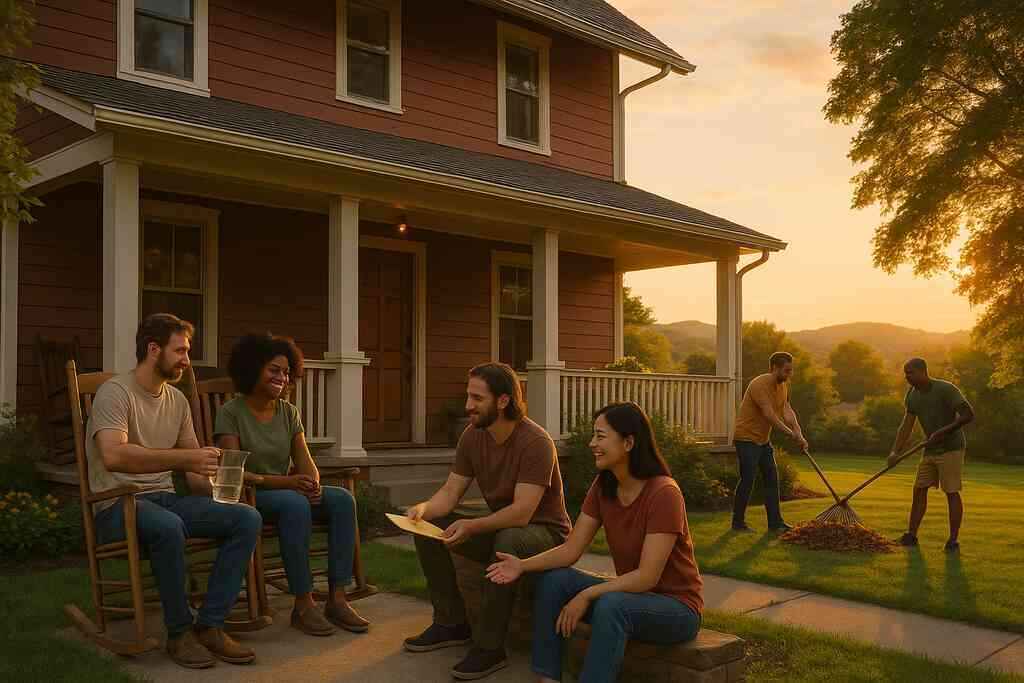
Missourians often describe their best memories on a neighbor’s front porch, trading stories and steadying one another. Sober housing adopts this cultural anchor through intentional peer support networks that replace isolation with belonging. New arrivals are paired with seasoned residents who model coping skills and celebrate milestones. Weekly house meetings break down barriers, turning potential conflict into teachable moments powered by empathy. For a deeper look at these interactions, the peer support dynamics article unpacks why mutual aid remains recovery’s secret engine.
Front-porch accountability also extends beyond conversation. Roommates check medication compliance, remind each other of curfews, and join together at local 12-step meetings. When one member seems withdrawn, another suggests a brisk walk through the neighborhood or a call to a sponsor. This vigilant kindness keeps minor slips from becoming major setbacks. Because everyone contributes, no one feels like a burden, and morale stays high even when cravings spike. Over time, peer-supported recovery Missouri style cultivates lifelong friendships rooted in shared courage and honest feedback.
Role of the House Manager and Embedded 12 Step Access
A seasoned house manager acts as the residence’s quiet stabilizer. This leader enforces rules consistently, manages finances transparently, and resolves disputes before they escalate. Beyond logistics, the manager mentors residents in balancing freedom with responsibility, a core lesson for any sober living program. By modeling professional conduct, they demonstrate how adults can thrive without relying on alcohol abuse or substances. Their steady presence reassures families that the home remains a safe environment at every hour.
Embedded access to 12-step meetings strengthens that safety net. The manager tracks attendance, offers transportation, and introduces newcomers to trusted sponsors. Residents learn how Alcoholics Anonymous principles complement clinical treatment plans, turning abstract ideas into daily practices. Those seeking additional fellowship can easily find AA meetings in Missouri through posted directories. The result is layered support: in-house guidance, community tradition, and personal ownership working together. When residents internalize these resources, relapse fear gives way to proactive motivation.
Bridging Inpatient Treatment to Outpatient Programs Seamless Transition
Optimal sober living in Missouri functions as the critical bridge between intensive inpatient treatment and full community reintegration. Upon discharge from a residential treatment center, individuals often face overwhelming freedom that can sabotage early recovery. Sober housing provides an intermediate structure, allowing residents to practice new coping strategies without the rigid walls of detox units. Daily check-ins replace constant clinical monitoring, easing people into self-governance. This gradual shift preserves therapeutic gains while preventing sudden exposure to old triggers.
Coordination with outpatient programs completes the continuum of care. House managers communicate with counselors, ensuring homework assignments, drug screenings, and therapy sessions remain on track. Residents schedule work shifts around group processing meetings to avoid conflicts. Support groups such as Narcotics Anonymous or specialized trauma cohorts are woven into weekly calendars. Consistent communication between all providers eliminates blind spots, creating a unified front against relapse. Through this seamless transition, Missouri sober living homes convert short-term treatment victories into enduring lifestyle change.
 Navigating Missouri’s Recovery Ecosystem
 Navigating Missouri’s Recovery Ecosystem
Kansas City to Columbia Mapping Sober Housing Options
Kansas City’s top sober homes cluster near transit lines, tech firms, and bustling arts districts, giving residents motivation beyond abstinence. These Missouri sober living homes balance structure with city energy, offering nightly curfews yet access to abundant employment fairs. House managers coordinate carpools so newcomers can attend outpatient program sessions without logistical stress. Meanwhile, peer-supported recovery Missouri style thrives in community parks where residents practice mindful walking during craving spikes. Together, these elements transform metropolitan stimuli into catalysts for long-term sobriety.
Further east, Columbia merges a vibrant college atmosphere with respected medical centers, ideal for residents juggling study and therapy. Local halfway houses in Missouri often partner with campus career offices, helping scholars maintain academic momentum while healing. Because state lines sit only minutes away, some residents explore recovery housing choices in Kansas state for specialized vocational tracks. Managers ensure transfers remain compliant with house rules and ongoing treatment plans. The seamless collaboration widens opportunity without weakening accountability.
Affordable Sober Living and Halfway Houses in Springfield and Beyond
Springfield Missouri recovery residences appeal to budget-conscious adults who still demand robust structure. Monthly fees stay manageable through shared utilities, communal meal planning, and rotating chore schedules. Despite modest rates, houses maintain strict drug testing and nightly reflection meetings that fortify relapse prevention. Nearby manufacturing plants and healthcare facilities welcome applicants actively pursuing sober living. Residents gain both steady income and confidence, vital for early recovery stability.
Rural counties surrounding Springfield extend affordable sober living in Missouri options even further. Converted farmhouses become supportive group homes in the Ozarks where tranquility replaces urban temptation. Managers coordinate transport to regional 12-step meetings while teaching residents country-style self-sufficiency, such as gardening for communal meals. Because distraction levels are lower, participants often report deeper focus on cognitive-behavioral homework assigned by therapists. The result is a secure sober environment where low costs never equal low standards.
Creating a Secure Sober Environment in the Midwest Heartland
Optimal sober living in Missouri demands more than drug-free space; it requires intentional design that nurtures mind and spirit. Homes arrange furniture to encourage eye contact during peer check-ins, replacing isolation with dialogue. Exterior lighting and coded entry systems heighten physical safety, easing anxiety for trauma survivors. Consistent cleanliness rules further reduce stress, allowing residents to concentrate on personal growth. Every detail announces, “You are protected and valued here.”
For families evaluating options, the guide to safe sober environments article clarifies red flags to avoid. It explains ventilation requirements, emergency plans, and ideal resident-to-bathroom ratios. Armed with that knowledge, Missourians enter house tours prepared to ask incisive questions about fire drills and medication storage. Informed consumers push providers toward excellence, elevating statewide standards. Consequently, each new lease signed strengthens collective safety across the Midwest heartland.
Integrating Support Groups and Rehab Aftercare Networks
Missouri sober living homes weave 12-step meetings into weekly schedules so attendance feels natural, not forced. Residents use online directories to find AA meetings in Missouri that match work hours and personal comfort levels. Seasoned peers accompany newcomers, easing social jitters that often derail first visits. Over time, sponsorship relationships evolve into lifelines during stressful anniversaries or family gatherings. Shared ritual turns individual commitment into community tradition.
Beyond Alcoholics Anonymous, many houses arrange transportation to locate NA meetings nearby for those battling narcotics. Some partner with church-based Celebrate Recovery groups, adding faith perspectives to the healing mosaic. Outpatient counselors coordinate with house managers, aligning homework exercises with real-time household challenges. Weekend alumni panels remind current residents that sustained accountability, not perfection, defines success. This integrated web of support wraps around each person like a safety harness during adventurous climbs toward independence.
Leveraging Statewide Substance Use Disorder Resources for Long Term Sobriety
Missouri offers a lattice of public and private agencies ready to fortify long-term sobriety programs. Regional workforce boards fund certification courses that boost employment prospects, while community colleges waive fees for qualifying residents of sober living homes. Telehealth portals connect rural participants with specialists in trauma or dual diagnosis treatment, overcoming distance barriers. These combined resources transform recovery from an event into an evolving lifestyle.
House managers often reference the professional addiction treatment services directory when residents need niche therapies beyond standard offerings. This directory lists gender-specific rehabs, culturally competent counselors, and medication-assisted treatment providers statewide. By plugging gaps quickly, managers prevent small issues from snowballing into relapse triggers. Residents learn to self-advocate, scheduling follow-up appointments and tracking paperwork deadlines. Mastery of these skills becomes the cornerstone for future independent living.
Thriving Beyond Abstinence the Optimal Future
Cultivating Purpose Through Employment Education and Service
Optimal sober living in Missouri thrives when residents rediscover purpose. Missouri sober living homes immediately connect newcomers to workforce partners across the state. House managers organize resume workshops, ensuring every resident lists sober achievements with pride. Morning goal meetings assign application quotas, turning job hunting into collective momentum instead of a lonely struggle. Peer-supported recovery Missouri style celebrates each callback with applause during evening reflections. Educational pathways receive equal emphasis, especially near colleges in Columbia and technical schools in Springfield. Residents enroll in certification courses that translate lived resilience into marketable leadership. Volunteering rounds out the trio of purpose, allowing service to replace past chaos. Local food banks welcome supportive group homes in the Ozarks for weekly shifts, reinforcing gratitude. Through employment, education, and service, daily survival transforms into intentional contribution.
Top sober houses treat purpose as a relapse shield rather than an extracurricular perk. Structured daily routine sobriety Missouri programs require residents to schedule at least one purposeful activity before noon. Afternoon study halls or community service fill typical craving windows, giving urges no empty space to bloom. Transportation carpools allow rural residents to pursue city internships without sacrificing the safe environment back home. Success stories return as guest speakers, illustrating realistic career arcs after alcohol addiction. Their presence proves that long-term sobriety program Missouri graduates can thrive beyond entry-level positions. Each achievement, however small, feeds intrinsic motivation stronger than any external rule. Purpose therefore becomes the heartbeat of optimal sober living, sustaining hope far beyond detox milestones.
Sustaining Accountability with Top Sober House Near You Technology
Digital tools now extend accountability beyond the front porch. Every top sober house near you deploys mobile check-in apps that verify location during curfew hours. Geo-tagged selfies replace paper sign-in sheets, preventing misunderstandings and reinforcing honesty. House managers receive real-time alerts, allowing immediate supportive intervention if a resident strays. Residents can discreetly request peer accompaniment through in-app messaging when unexpected triggers arise. Calendar dashboards integrate outpatient program schedules, 12-step meetings, and medication reminders into one glance. Family members gain view-only access, easing worry without enabling micromanagement. The platform also tracks completed chores, converting routine tasks into visible streaks that gamify responsibility. By translating house rules into pixels, technology strengthens, rather than replaces, personal connection. Accountability becomes continuous, portable, and empowering.
Blogs hosted by Top Sober House teach residents how to leverage these digital safeguards effectively. The facilitating recovery near me blog explains privacy settings and ethical data use. Residents read together during evening study, then adjust notification preferences to suit their lifestyles. Sharing technical victories during house meetings builds confidence in navigating other digital spaces safely. Over time, the app evolves from a surveillance tool to a personal growth journal, charting real progress. Graduates often keep the platform, proving that accountability can survive beyond structured walls.
Measuring Progress and Celebrating Milestones in Early Recovery
Objective measurement turns hope into evidence. Missouri sober living homes issue individualized recovery scorecards covering meeting attendance, savings growth, and emotional regulation drills. Residents review these metrics weekly with the house manager, converting vague feelings into actionable plans. Visual graphs reveal patterns, such as sleep quality improving as cravings diminish. By spotting early dips, teams intervene before lapses escalate toward alcohol abuse. The scorecard also tracks community engagement hours, acknowledging service as therapeutic. Transparency eliminates the self-deception that often shadows substance use disorder healing. Measurable progress therefore sustains optimism during inevitable plateaus.
Celebrations are equally strategic inside optimal sober living Missouri communities. Completion of ninety sober days triggers a communal dinner featuring resident-cooked recipes. House meetings include gratitude circles where tokens symbolize perseverance, not perfection. Peer-nominated awards highlight quiet heroes who consistently support others behind the scenes. These ceremonies anchor the concept of long term sobriety in joyful memory rather than solemn duty. Graduates often return for anniversary events, reminding newcomers that today’s struggle can mature into tomorrow’s strength.
Missouri Reintegration Roadmap to Independent Living
Reintegration starts long before move-out day. Top sober houses design phased freedom plans that mirror residents’ growing stability. Initial phases require accompanied errands; later stages allow solo travel to workplaces and landlords. Budget workshops teach residents to allocate paychecks toward rent, savings, insurance, and wellness. Practicing these skills inside a safe place reduces shock when the lease finally bears only one name. Exit interviews assess relapse prevention resources, ensuring no one leaves without outpatient appointments and sponsor contacts.
Regional collaboration strengthens this roadmap. Kansas City’s top sober homes share job leads with Springfield Missouri recovery residences, erasing geographic silos. Rural graduates sometimes relocate to Illinois sober environments across the river for specialized apprenticeships, keeping accountability intact. Coordinated case managers transfer documentation swiftly, preventing bureaucratic gaps that could derail momentum. Alumni networks remain active through monthly online forums, providing mentorship long after physical keys change hands. With this statewide lattice, Missouri residents depart sober housing carrying a personalized blueprint, not uncertain hope.
Frequently Asked Questions
 Frequently Asked Questions
Question: How does the Top Sober House Missouri directory help me compare sober housing options in St. Louis, Kansas City, Columbia, and the Ozarks?
Answer: The Top Sober House Missouri directory organizes every verified listing-urban lofts near the St. Louis Arch, Kansas City top sober homes close to tech corridors, college-friendly residences in Columbia, and supportive group homes in the Ozarks-on one searchable map. Filters for price, co-ed status, house rules, and 12-step meeting access let you line up features side by side before you ever pick up the phone. Resident reviews, photos, and relapse-prevention policies appear together, so you can instantly see which sober living homes emphasize a structured daily routine, which halfway houses in Missouri offer embedded outpatient program partnerships, and which rural farmhouses provide quiet space for early recovery. With transparent data at your fingertips, you invest energy in healing, not guesswork.
Question: What house rules and daily structure should I expect inside Missouri sober living homes listed by Top Sober House?
Answer: While each residence customizes its culture, you can count on core relapse shields across the board: curfews that tighten in early phases, random drug and alcohol testing, rotating chore charts, and mandatory attendance at recovery meetings. Mornings often start with quiet reflection, move into group goal-setting, and transition to job searches or outpatient therapy. Evenings wrap up with gratitude circles or peer feedback sessions. These house rules for sober residents Missouri style turn external guidance into internal discipline, rewiring behavior that once fed alcohol addiction or drug abuse. Over time, accountability in Missouri sober living becomes less about enforcement and more about community pride.
Question: In the blog title What Top Sober House Defines as Optimal Living in Missouri you mention peer-supported recovery Missouri style-what does that look like every day?
Answer: Imagine a front-porch mindset where no one slips through the cracks. Newcomers are paired with seasoned residents who model coping skills, escort them to AA or NA meetings, and celebrate each milestone-from a clean drug screen to a first job interview. Weekly house meetings convert conflict into teachable moments, and spontaneous walks or coffee runs replace cravings with connection. Because everyone contributes-checking medication compliance, reminding a roommate of curfew, or simply listening-peer-supported recovery Missouri style blends Midwestern neighborliness with evidence-based relapse prevention. The result is a secure sober environment where accountability feels like friendship, not surveillance.
Question: How does a house manager at Kansas City’s top sober homes coordinate with outpatient programs to support long-term sobriety?
Answer: The house manager is the continuity bridge between your residential treatment center discharge and full reintegration. They track therapy homework, confirm 12-step attendance, arrange carpools to rehab aftercare sessions, and share progress notes (with your consent) with counselors. If your outpatient program recommends medication-assisted treatment, the manager secures locked storage and dosing logs. They also mediate work-schedule conflicts so employment never crowds out recovery commitments. By weaving clinical guidance into daily house rules, the manager ensures every Kansas City resident follows a seamless, long-term sobriety program that Missouri professionals endorse.
Question: Is affordable sober living in Missouri really possible, and how can a Top Sober House near me help me transition from inpatient treatment to a secure sober environment?
Answer: Yes. Many Springfield Missouri recovery residences and rural Ozark homes keep monthly fees low through shared utilities, community meal plans, and partnerships with local employers. When you search “sober house near me” on the Top Sober House platform, you’ll see cost ranges, move-in specials, and any sliding-scale options up front. The moment you leave inpatient treatment, the directory points you to houses with open beds, allowing you to step directly into a safe place instead of returning to high-risk neighborhoods. Add-on resources-budget workshops, job-placement leads, and alumni mentorship-prepare you for true independence without sacrificing the accountability that protects early recovery.